

A sore throat after tooth extraction is common and usually resolves within 2–3 days. It develops because inflammation, mouth breathing, and minor tissue irritation during the procedure affect the throat area, not just the extraction site. For most patients, this is a normal part of recovery, not a sign of complications. In this guide, you'll find out exactly why it happens, how to tell when it's something more serious, and the most effective ways to manage it at home, including a day-by-day breakdown of what to expect so you know when to act and when to simply rest.
Key Takeaways
- A sore throat after tooth extraction is a normal side effect caused by swelling, mouth breathing, swallowed blood, and tissue irritation, not necessarily infection.
- Throat pain typically peaks within the first 24–48 hours and improves gradually; most patients feel significantly better by day 3–5.
- A sore throat lasting up to 1 week after tooth extraction can still be within the normal healing range, especially following wisdom tooth removal or complex procedures.
- Day 3 is often the most uncomfortable point of recovery due to peak post-operative inflammation. Worsening pain after day 4 warrants dental evaluation.
- Warning signs that require prompt dental attention include fever, visible pus, throbbing pain that worsens over time, difficulty breathing or swallowing, and swelling that spreads.
- Effective at-home relief includes warm salt water rinses (½ tsp salt in 8 oz water, 2–3 times daily), cold compress on the jaw, soft foods, honey in lukewarm water, and staying well-hydrated.
- Smoking, alcohol, and vigorous rinsing in the first 24 hours significantly delay healing and worsen throat irritation after extraction.
Is a Sore Throat Normal After Tooth Extraction?
It’s not uncommon to experience a sore throat after a tooth extraction, but it can be concerning. Understanding the possible causes and knowing what to expect during your recovery can help ease any worries.
Common Causes of Sore Throat Post-Extraction
A sore throat after tooth extraction can result from a few factors, including:
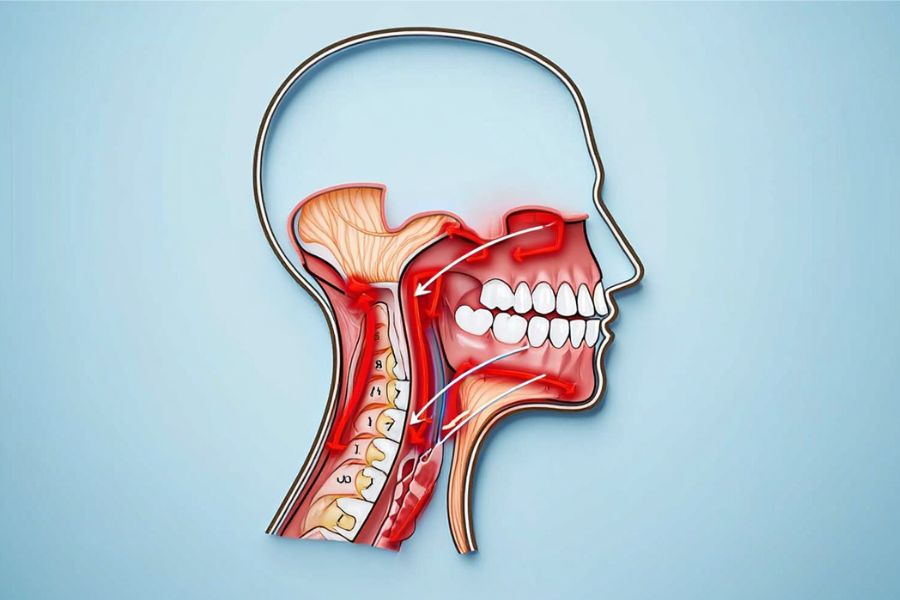
- Swelling: Inflammation from the extraction site can affect nearby tissues, including the throat.
- Swallowing Blood: During and immediately after the extraction, it's common to swallow small amounts of blood. This can irritate the lining of the throat, leading to a scratchy or raw sensation that mimics the feeling of a typical sore throat.
- Mouth Breathing: After the procedure, you might breathe more through your mouth, which can dry out and irritate the throat.
- Anesthesia: The use of local anesthetics can sometimes cause throat irritation, especially if a breathing tube was used during surgery.
- Infection: Though rare, an infection in the extraction site can sometimes cause throat discomfort.
What to Expect With Throat Pain After Tooth Extraction
Not all throat discomfort feels the same throughout recovery, and knowing what to expect at each stage can save you a lot of unnecessary worry.
First 24–48 hours: This is typically when throat pain peaks. Swelling around the extraction site spreads to nearby tissues, and the muscles used during the procedure may feel stiff or tender. Swallowing can be uncomfortable, and some dryness or rawness in the throat is common, especially if you were breathing through your mouth during or after surgery.
Day 3 to Day 5: For most patients, this is when noticeable improvement begins. Swelling starts to reduce, and throat soreness gradually eases. If you had a straightforward extraction, you may feel close to normal by this point. Sore throat 5 days after tooth extraction that's still mild and trending better is generally not a cause for concern.
Around Day 7 (1 week): A sore throat 1 week after tooth extraction can still fall within the normal healing range, particularly after wisdom tooth removal or more complex procedures. However, if pain is worsening rather than improving, or you notice fever, pus, or increasing swelling, it's time to contact your dentist. Throat pain that lingers beyond a week without improvement should always be evaluated.
Beyond 2 weeks: At this stage, any remaining throat discomfort is unusual and warrants a dental visit. Persistent pain past this point may point to referred pain, a developing infection, or another complication that needs attention.
Signs It’s More Than Just a Sore Throat
A sore throat after tooth extraction is usually harmless, but it's important to know when it might signal something more serious. While mild irritation should improve within a few days, persistent or worsening pain could point to underlying issues. Paying attention to your symptoms can help you catch complications early and get the right treatment. This is different from epiglottitis symptoms, which involve the airway rather than the extraction site and require emergency care rather than routine aftercare.
In some rare cases, minor trauma during healing may also cause small lesions like a blood blister in the mouth, which usually resolve on their own but should be monitored if persistent.
Infection, Dry Socket, or Referred Pain?
If your sore throat is accompanied by symptoms like fever, foul breath, throbbing pain that worsens over time, or visible pus, it could indicate an infection at the extraction site. Another possibility is dry socket, a painful condition where the blood clot is dislodged, exposing bone and nerves. Sometimes, the pain felt in the throat may actually be referred pain from the jaw or ear area due to nerve connections. In any of these cases, prompt dental evaluation is essential.
Sore Throat After Wisdom Teeth Removal
A sore throat after wisdom teeth removal is common due to swelling, tissue irritation, and mouth breathing during recovery. It usually lasts a few days up to a week and improves as healing progresses. Eating soft, gentle foods can help ease discomfort. Check out our guide on 25 foods to eat after wisdom teeth removal for ideas. Staying hydrated and rinsing gently with warm salt water also supports healing. If you notice severe pain, fever, pus, or worsening symptoms, contact your dentist promptly, as these could signal infection or dry socket. With proper care, throat soreness typically resolves naturally.
Home Remedies and Relief Tips
Dealing with a sore throat after a tooth extraction doesn’t always require medication. In many cases, simple home remedies can ease discomfort and support healing. Here are the most effective strategies you can try.
What to Eat & Drink
Stick to soft, non-irritating foods like mashed potatoes, smoothies, yogurt, and soup. Avoid spicy, acidic, or crunchy foods that can worsen throat irritation. Cold drinks and ice chips can help soothe inflammation, while warm broths may provide comfort and hydration.
Warm Salt Water Rinses and Hydration
Rinsing gently with warm salt water several times a day can reduce inflammation and prevent infection. Dissolve half a teaspoon of salt in a glass of warm water and gargle gently for about 30 seconds. Avoid vigorous rinsing, as it can disturb the blood clot. Repeat 2–3 times daily, especially after meals. Staying well-hydrated also keeps your throat moist and promotes healing, so drink plenty of water throughout the day.
Cold Compress and Honey
Applying a cold compress to the outside of your jaw and neck during the first 48 hours can help reduce swelling and ease throat discomfort caused by inflammation. Use it for 15–20 minutes at a time, never directly on the skin.
For additional soothing, a lukewarm drink with honey can help coat and calm an irritated throat. Avoid hot temperatures that could disturb the healing site.
Avoiding Smoking and Irritants
Smoking directly irritates the throat lining and delays healing. Avoid it for at least the first few days of recovery. The same applies to alcohol and spicy foods, which can worsen throat soreness and interfere with the natural healing process.
When to Use Medication or Visit a Dentist
Over-the-counter pain relievers like ibuprofen can help manage discomfort. If your sore throat persists for more than a few days, worsens, or comes with fever or swelling, it's time to see your dentist to rule out complications like infection or dry socket. For patients recovering from wisdom teeth removal in Culver City, the same guidelines apply; most throat discomfort resolves on its own with proper at-home care.
How to Prevent Throat Pain After Extraction
While some post-extraction discomfort is normal, there are effective ways to minimize or even prevent a sore throat from developing. It all starts with proper care and attention during the recovery period.
Proper Rest and Oral Care
Getting enough rest gives your body the energy it needs to heal. For the first 24–48 hours, avoid talking excessively, strenuous physical activity, and anything that might strain your throat or mouth. Keeping your head elevated while resting can also reduce swelling, which may help prevent referred throat pain.
In terms of oral care, be gentle. Brush carefully around the extraction site and rinse with warm salt water starting 24 hours after surgery to keep the area clean. Avoid alcohol-based mouthwashes, which can dry out the mouth and irritate the throat further. Rinsing too early or in the wrong way may also interfere with healing, especially in cases where patients accidentally rinse their mouth after tooth extraction, which can disturb the forming blood clot and delay recovery.
Need help getting started? Our California-based offices in Culver City and Inglewood are ready to assist. Reach out by filling out the consultation form or calling 310-643-6221.
Final Thoughts on Throat Pain After Tooth Extraction
A sore throat after tooth extraction is one of the more overlooked parts of recovery, but understanding why it happens makes it far easier to manage. In most cases, it's the body doing exactly what it should: responding to surgical trauma with inflammation that temporarily affects the surrounding tissues, including the throat.
The clearest guidance is this: mild soreness that improves day by day is normal, and pain that worsens after day 3–4 or comes with fever, swelling, or discharge is not. That distinction, knowing when to wait and when to call your dentist, is what makes the difference between a smooth recovery and a complication caught too late.
FAQs
How to get rid of a sore throat after wisdom teeth removal?
A sore throat after wisdom teeth removal is usually temporary. To ease discomfort, stick to soft foods, stay well-hydrated, and rinse gently with warm salt water. Over-the-counter pain relievers can help if needed. If your sore throat worsens, lasts more than a week, or comes with fever, pus, or swelling, contact your dentist, as it could indicate infection or dry socket.
How long should a sore throat last?
Typically, it lasts 2–3 days and improves as healing progresses.
Why does it hurt to swallow after a tooth extraction?
After a tooth extraction, it is normal to experience pain when swallowing due to irritation and inflammation of the tissues around the extraction site. This sensitive and injured area can cause the surrounding muscles and tissues to react painfully when the mouth and throat move. Additionally, if the extraction site is close to the throat area, inflammation may stimulate nerves and cause pain while swallowing. This pain usually decreases over time as the healing process progresses, but if the pain worsens or unusual symptoms appear, it is best to consult your dentist.
Can a sore throat mean infection after extraction?
It can, especially if accompanied by fever, worsening pain, or pus. Contact your dentist if symptoms persist or worsen.
Why is my throat so dry after wisdom teeth removal?
After wisdom teeth removal, experiencing a dry throat is common and can be caused by several factors. The surgery and anesthesia may reduce saliva production temporarily, leading to dryness in the mouth and throat.
How long does referred pain last after tooth extraction?
Referred pain after a tooth extraction can vary in duration depending on the individual and the complexity of the procedure. Typically, this type of pain may last from a few days up to two weeks as the surrounding tissues and nerves heal. If the pain persists beyond this period or worsens, it is important to consult a dentist, as it could indicate an infection or other complications. Generally, with proper care, referred pain gradually diminishes as the healing process progresses.
Why does it feel like something is stuck in my throat after wisdom teeth removal?
This sensation is common and usually temporary. It can result from swelling, irritation of nearby tissues, or referred pain from the jaw after surgery. Staying hydrated, eating soft foods, and performing gentle saltwater rinses can help. If the feeling persists, worsens, or comes with severe pain, fever, or swelling, contact your dentist.
Is ear pain and throat pain after tooth extraction related?
Yes. The nerves in the jaw, ear, and throat are closely connected, which is why many patients experience both simultaneously. This is typically referred to as pain from the extraction site and tends to resolve as swelling decreases. If ear and throat pain are severe or worsening after the first few days, it's worth a dental check to rule out infection or dry socket.
Is a sore throat normal 1 week after tooth extraction?
It can be, especially after wisdom tooth removal or a more complex procedure. Mild soreness that's gradually improving at the one-week mark is usually still within normal range. However, if the pain is getting worse rather than better or is accompanied by fever, swelling, or bad breath, contact your dentist promptly.
Why is day 3 the worst after a tooth extraction?
Day 3 is often the peak of post-operative inflammation. After any surgical procedure, the body's inflammatory response builds gradually rather than immediately, which is why many patients feel worse on day 2 or 3 than they did right after the extraction. Swelling, jaw stiffness, and throat soreness all tend to reach their highest point around this time before slowly improving. If you're on day 3 and feeling like recovery is going backward, that's usually normal. The concern is if pain continues to worsen after day 3–4, which can signal dry socket or infection.



0 Comments