
Sleep Apnea

Sleep Apnea Treatment with Custom Oral Appliances


Loud snoring, gasping awake in the middle of the night, and dragging through the day on no real rest are all signs your breathing keeps stopping while you sleep. Sleep apnea does exactly that, and a custom oral appliance can hold your airway open so you finally sleep through the night. Our team at Toothopia Dental fits comfortable, dentist-made devices for adults with mild to moderate obstructive sleep apnea, and for anyone who has tried a CPAP machine and could not stay with it.
If any of this sounds like your nights, fill out the consultation form or call us at 310-643-6221 to get started.




Understanding Sleep Apnea from a Dental Perspective
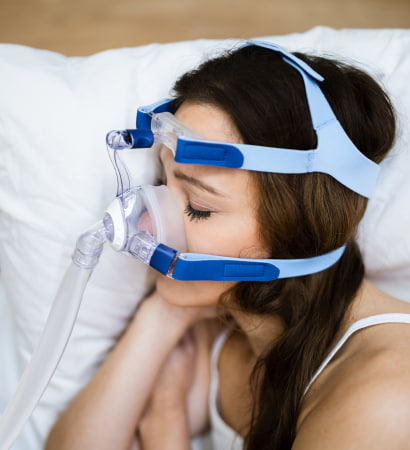
Sleep apnea is a sleep-related breathing disorder in which breathing repeatedly stops or becomes restricted during sleep. The most common form, obstructive sleep apnea (OSA), occurs when the throat muscles relax and block the airway, reducing airflow and oxygen levels. Many patients notice loud snoring, gasping or choking during sleep, morning headaches, and excessive daytime sleepiness. Once a physician has confirmed the diagnosis, our team evaluates whether a custom oral appliance is an appropriate treatment to help keep the airway open and improve sleep quality.
Contact us today at 310-643-6221 to learn more about our sleep apnea services!
Sleep Apnea Treatment Payment Options at Toothopia
A wide range of insurance plans is accepted, along with flexible financing options to manage unexpected expenses, so you can focus fully on your recovery without uncertainty about costs.


Our Sleep Apnea Diagnosis and Treatment Process
Effective sleep apnea treatment starts with a confirmed diagnosis, followed by a custom oral appliance designed for your mouth. This dentist-made device gently advances the lower jaw to help keep the airway open during sleep, making it a comfortable, non-surgical alternative to CPAP for many patients.
Obstructive sleep apnea (OSA) occurs when the throat muscles relax and block the airway, causing repeated pauses in breathing, drops in oxygen levels, and disrupted sleep. Because dentists do not diagnose sleep apnea, treatment begins after a physician confirms the condition with a sleep study and refers you for oral appliance therapy.
Here is how care usually goes with us:
- Patient evaluation. We review your sleep study results, your snoring and daytime sleepiness history, and your teeth and bite to confirm you are a good candidate for a dental device.
- Digital scan. Instead of messy molds, we use digital intraoral scanning to capture your teeth quickly and comfortably, which also speeds up treatment planning.
- Custom appliance design. We design a titratable mandibular advancement device (MAD) sized to your jaw. For patients who cannot tolerate a jaw-advancing device, a tongue retaining appliance (TRA) is another option.
- Appliance fitting. Your finished device is usually ready in about two weeks. At the fitting we check the bite, show you how to insert and clean it, and make sure it feels secure.
- Titration and follow-up care. Over the next few visits we fine-tune the amount of jaw advancement so you get the most open airway with the least strain, and your physician may order a follow-up sleep test to confirm the results.
Nervous about dental visits? Say so at the first appointment. We keep the pace slow, explain each step before it happens, and let you signal for a break at any point. If you need care fast, our team keeps room for urgent scheduling, and you can start with sleep apnea treatment in Inglewood whenever a nearby appointment is easier to reach. For patients who want fast results before a trip or a big event, a custom device often quiets snoring within the first week while the deeper airway benefits build. For complex cases, such as significant jaw issues or prior treatment that did not hold, we coordinate directly with your sleep physician before building anything.
Left untreated, the low oxygen levels, rising carbon dioxide levels, and repeated breathing pauses of sleep apnea are linked to hypertension, cardiovascular disease, stroke, heart failure, and insulin resistance in diabetes, which is exactly why getting fitted matters.
Our Sleep Apnea Dentist

Dr Hossein Javid
DDS, Dentist
Why Patients Choose Toothopia for Sleep Apnea Treatment
Patients pick our clinic for sleep apnea because we treat the device as a medical tool, not a one-size mouthpiece. Every appliance is a customized treatment shaped around your airway, your bite, and how you actually sleep, so it can reduce snoring and improve sleep quality over the long run.
Our team works as your sleep apnea specialist for the appliance side of care, coordinating with the physician who handles your diagnosis and any follow-up sleep testing.
A drugstore sleep apnea mouthpiece rarely fits well and can shift all night. A custom oral appliance stays put, which improves comfort and treatment compliance.
Digital scans, gradual jaw advancement, and unhurried appointments make the device easier to wear night after night.
We keep your physician in the loop so airway management stays on track and your results hold over time.
Aftercare is simple. Rinse and brush the appliance daily, bring it to checkups so we can inspect the fit, and tell us about any tooth soreness or bite changes early. Because a jaw-advancing device sits against the soft palate and throat muscles all night, small occlusal shifts can happen over years, and regular follow-up catches them before they become a problem. Patients who also deal with morning headaches, dry mouth, or reflux such as GERD should mention it, since these often ease as breathing steadies. If a location closer to home is simpler for your checkups, you can also begin sleep apnea treatment in Culver City with the same approach.
Schedule Your Sleep Apnea Consultation at Toothopia Dental
Better sleep starts with one appointment. Tell us what your nights look like, bring any sleep study you already have, and we will map out whether a custom oral appliance is right for you. Fill out the consultation form on this site or call our team at 310-643-6221 to book your sleep apnea consultation with Toothopia Dental, and take the first step toward quiet, restful nights.
Common Questions About Sleep Apnea Treatment
Most patients adjust within a few nights. Early on you may notice extra saliva, mild jaw tightness, or slight tooth pressure in the morning, and these usually fade within a week or two. We can suggest simple morning jaw exercises to speed the process, and we fine-tune the fit at your follow-up so nightly wear feels natural.
Yes, a qualified dentist treats obstructive sleep apnea with oral appliance therapy once a physician has made the diagnosis. Dentists do not diagnose sleep apnea, but we design, fit, and adjust the custom device that keeps your airway open, and we coordinate with your sleep physician throughout. This is a leading non-surgical option for mild to moderate cases and for people who cannot tolerate CPAP.
Expect a few visits in the first several weeks while we titrate the appliance, then periodic checkups, often about twice a year. These visits let us confirm the device still fits, check for bite changes, and support long term airway management. Your physician may also schedule a follow-up sleep test to verify the treatment is working.