

When it comes to restoring a damaged tooth, you have several options, but Dental Inlay vs Onlay is a common debate. Both offer unique benefits, but which one is the right choice for you? Whether you're dealing with a small cavity or more extensive damage, understanding the differences can help you make the best decision for your smile. Let’s explore how these two options stack up and which one might be the ideal solution for your dental needs.
| Feature | Dental Inlay | Dental Onlay |
|---|---|---|
| Restoration Placement | Fits within the grooves of the tooth | Extends over one or more cusps of the tooth |
| Extent of Damage Treated | Suitable for minor to moderate decay | Ideal for more extensive damage involving cusps |
| Common Materials | Porcelain, composite resin, gold | Porcelain, composite resin, gold |
| Number of Appointments | Usually two visits | Usually two visits |
| Aesthetic Appearance | Natural look, suitable for visible teeth | Natural look, suitable for larger restorations (e.g. molars) |
| Durability & Lifespan | Typically lasts 10–15 years | Can last 15+ years, especially with durable materials |
| Tooth Structure Preservation | Minimal removal of healthy tooth structure | Less removal than a full crown, but more than an inlay |
| Best Use Case | Moderate cavities, replacing failed fillings | Severe decay, cracks, or broken teeth |
| Cost Estimate | Less expensive due to smaller area and simpler procedure | More expensive due to greater coverage and complexity |
| Maintenance Needs | Regular brushing, flossing, and dental checkups | Similar care; may need slightly more attention |
| Recommended Location | Front or visible teeth | Back teeth or high-pressure chewing areas |
What’s the main difference between a dental inlay and onlay?
The key difference lies in the amount of tooth surface each restores inlays fit within the grooves of a tooth and are ideal for smaller cavities, while onlays extend over one or more cusps, making them better suited for larger or more complex damage. Choosing the right option depends on the severity of your tooth’s condition, with onlays offering more strength and coverage, and inlays preserving more natural tooth structure. A dentist can help you decide which restoration best fits your needs for long-term health and aesthetics.
What Are Dental Inlays?
Dental inlays are custom-made restorations used to repair a decayed or damaged tooth. They fit into the grooves of the tooth, restoring its original shape and strength. Made from durable materials like porcelain, resin, or gold, dental inlays offer a seamless blend with the natural tooth color, making them an ideal choice for visible teeth.
How Inlays Are Used for Tooth Restoration
Inlays are typically used for cavities that are too large for a filling but not extensive enough to require a crown. The process involves two appointments: the first to clean the cavity and take impressions, and the second to place the custom inlay once it’s fabricated. Inlays are bonded securely to the tooth, ensuring durability and function.
Benefits of Choosing Inlays
Dental inlays offer several advantages that make them a popular choice for tooth restoration. Here are the key benefits:
- Natural Appearance: Inlays blend seamlessly with the natural tooth, especially when porcelain or composite materials are used.
- Durability: They are more durable than traditional fillings and can withstand the pressure from chewing.
- Preserve Tooth Structure: Inlays require less removal of healthy tooth material compared to crowns, preserving the tooth’s natural structure.
- Long-lasting: With proper care, dental inlays can last for many years, offering a reliable restoration option.
What Are Dental Onlays?
Dental onlays are similar to inlays but cover a larger portion of a tooth. They are used when the damage or decay extends beyond the grooves of the tooth and requires a more substantial restoration. Like inlays, onlays are custom-made and can be crafted from materials such as porcelain, gold, or resin, providing a durable and aesthetically pleasing solution for repairing damaged teeth.
How Onlays Differ from Inlays
While both onlays and inlays are used to restore damaged teeth, the key difference lies in the extent of coverage. Inlays are designed to fit within the grooves of the tooth, while onlays cover a larger area, extending over one or more cusps (the pointed parts of the tooth). Onlays are typically used for more extensive damage, where inlays would not provide enough support.
Benefits of Onlays for Larger Cavities
Onlays offer several advantages for larger cavities or more extensive tooth damage:
- Comprehensive Coverage: Onlays provide more coverage than inlays, making them ideal for teeth with significant damage.
- Strength & Durability: They restore strength to the tooth by covering more surface area, offering long-lasting durability, especially when chewing.
- Aesthetic Appeal: Porcelain or resin onlays blend seamlessly with the natural tooth, ensuring a natural look while restoring tooth function.
- Less Tooth Removal: Onlays require minimal removal of healthy tooth structure compared to crowns, helping to preserve the integrity of the tooth.
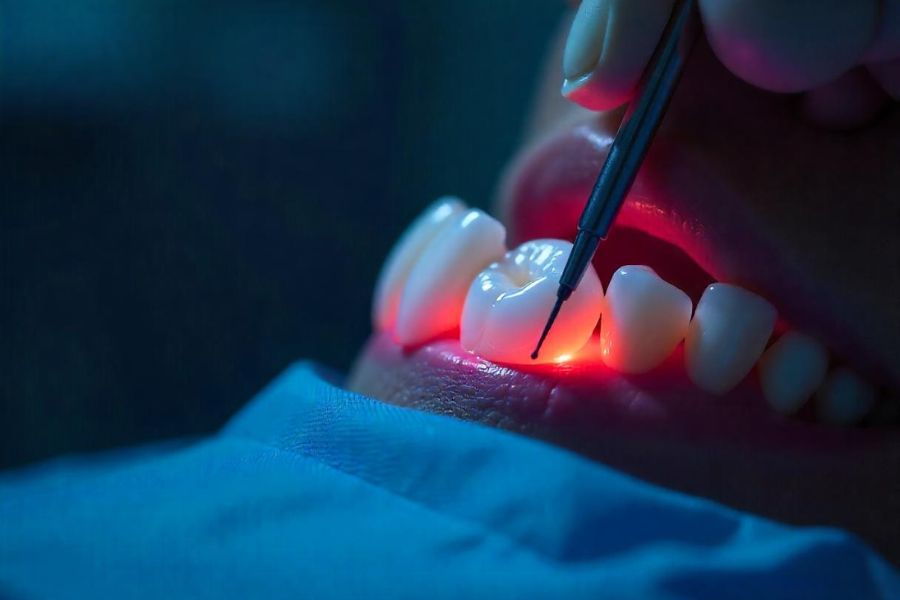
Dental Inlay vs Onlay: Key Differences Explained
Understanding the differences between Dental Inlay vs Onlay can help you make an informed decision about which restoration option is best for your needs. While both are effective treatments for damaged or decayed teeth, each serves a different purpose depending on the severity of the damage and the area being treated.
When to Choose an Inlay Over an Onlay
If the damage to the tooth is limited to the grooves and does not affect the cusps, a dental inlay is often the better option. Inlays are perfect for smaller cavities that need filling without compromising the structure of the tooth. On the other hand, if the damage extends to or beyond the cusps, an onlay may provide better coverage and protection.
Aesthetic Considerations
Both inlays and onlays can be made from materials like porcelain or composite resin, which closely match the natural color of the tooth. However, the decision for aesthetic purposes largely depends on the extent of the restoration needed. Inlays are often the better choice for smaller, less visible cavities, while onlays may be more suitable for larger, more noticeable repairs, such as on molars. The material choice can also impact the final appearance, with porcelain offering a more natural finish.
Cost, Durability & Maintenance
When considering dental inlays and onlays, it’s important to evaluate the costs, durability, and maintenance required for each option. Both provide long-lasting restorations, but understanding their differences can help you make a more informed decision.
Cost Comparison
Dental inlays generally cost less than onlays due to the smaller amount of material and less extensive work involved in the procedure. Onlays, which cover a larger area of the tooth, tend to be more expensive because of the additional material required and the more complex restoration process. Prices for both can vary based on factors like material choice and the dentist's location, so it's important to discuss specific costs with your dentist.
Durability and Maintenance
Both inlays and onlays are designed to be durable, but onlays tend to be more long-lasting due to their larger coverage and stronger protection. Inlays typically last between 10 to 15 years, while onlays can last 15 years or longer, especially when made from more durable materials like gold or porcelain. Maintenance for both options is similar, requiring regular brushing, flossing, and dental checkups to ensure the restoration remains in good condition. However, onlays may require slightly more attention due to their larger size.
Which Option Is Right for You?
Choosing between dental inlays and onlays depends on various factors unique to your situation. It’s important to consider the extent of the damage to your tooth, your budget, and your long-term dental health goals. Here's a breakdown of key factors to guide your decision:
Factors to Consider Before Choosing
Let’s go over the key factors you should consider before making your decision:
- Severity of Tooth Damage: If the damage is relatively small and confined to the grooves of the tooth, an inlay may be sufficient. For more extensive damage that affects the cusps, an onlay may provide better support and durability.
- Aesthetic Preferences: Both inlays and onlays can be made to match the natural color of your teeth, but larger repairs may be more visible, making material choice important. Porcelain or composite resin materials are great for a natural look.
- Cost and Longevity: Inlays are generally more affordable, while onlays offer more coverage and durability, making them suitable for larger cavities or molars.
- Maintenance Needs: While both options require regular dental care, onlays may need slightly more attention due to their larger coverage area.
If you're unsure which option suits you best, it's always a good idea to consult with a dental professional. For personalized advice and expert guidance, you can always reach out for a consultation at dental filling Culver City.
FAQs about Dental Inlay vs Onlay
Are inlays more affordable than onlays?
Yes, inlays are generally more affordable than onlays because they cover a smaller area of the tooth.
Which one is better for larger cavities?
Onlays are better for larger cavities, as they provide more coverage and support for extensive tooth damage.
Can I get an inlay or onlay for a front tooth?
Yes, both inlays and onlays can be used for front teeth, with porcelain options offering a natural appearance.
Need help getting started? Our California-based offices in Culver City and Inglewood are ready to assist. Reach out by filling out the consultation form or calling 310-643-6221.



0 Comments