
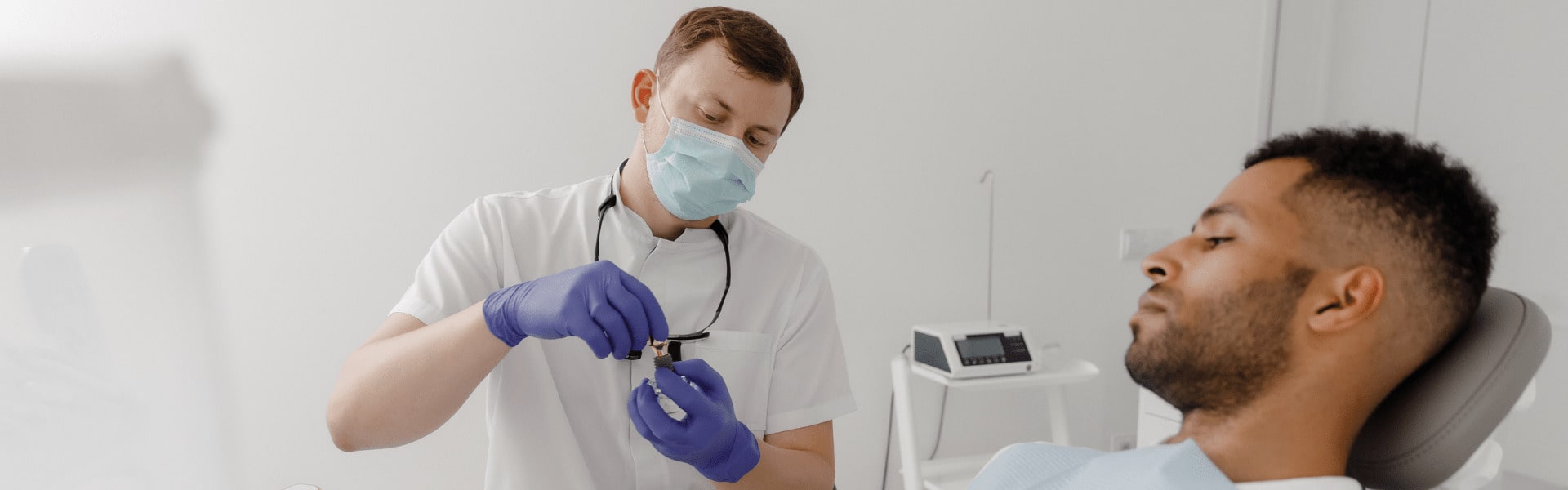
Congratulations on your new dental implant! While the hard part, the surgery, is over, proper post-surgery care is crucial to ensure a smooth recovery and long-term success. In this blog, we’ll cover everything you need to know about caring for your dental implant after surgery, from managing discomfort to maintaining oral hygiene.
Immediate Post-Surgery Care
The first 24 to 48 hours after dental implant surgery are critical for healing. Here’s what you should focus on during this period:
a) Control Bleeding
It’s normal to experience some bleeding after surgery. In some cases, minor trauma to the soft tissues can also cause a blood blister in the mouth, which usually heals on its own but should be monitored if persistent. To manage it:
- Bite down gently on a gauze pad for 30-60 minutes.
- Avoid spitting, rinsing, or using straws, as these actions can dislodge the blood clot.
- If bleeding persists, replace the gauze and continue applying gentle pressure.
b) Manage Pain
Discomfort is expected but manageable. To alleviate pain:
- Take prescribed pain medications as directed by your dentist.
- Over-the-counter pain relievers like ibuprofen can also help reduce inflammation.
c) Reduce Swelling
Swelling typically peaks within 48 hours. To minimize it:
- Apply an ice pack to the outside of your cheek in 15-minute intervals.
- Sleep with your head elevated to reduce fluid buildup.
2. Maintaining Oral Hygiene
Keeping your mouth clean is essential to prevent infection, but you’ll need to be gentle around the surgical site.
a) Rinsing
- Avoid rinsing your mouth for the first 24 hours.
- After 24 hours, rinse gently with a warm saltwater solution (1/2 teaspoon of salt in a cup of warm water) 3-4 times a day.
- Avoid commercial mouthwashes, as they can be too harsh on the healing tissue.
b) Brushing
- Brush your teeth as usual, but avoid the implant site for the first few days.
- Use a soft-bristled toothbrush to gently clean around the area.
3. Diet and Nutrition
Your diet plays a significant role in your recovery. Here’s what you should eat and avoid after dental implant surgery.
a) What to Eat
Stick to soft, nutrient-rich foods that are easy to chew:
- Yogurt
- Mashed potatoes
- Smoothies
- Scrambled eggs
- Oatmeal
b) What to Avoid
Avoid foods that could disrupt the healing process:
- Hard or crunchy foods like nuts and chips
- Sticky foods like caramel and gum
- Hot beverages, as they can increase bleeding
4. Physical Activity and Rest
Rest is essential for a speedy recovery. Follow these guidelines:
- Limit Physical Activity: Avoid strenuous exercise for at least 48-72 hours. Physical exertion can increase swelling and bleeding.
- Get Plenty of Sleep: Your body heals best when it’s well-rested. Aim for 7-9 hours of sleep each night.
- Avoid Bending or Lifting: These actions can increase blood pressure and disrupt the healing process.
5. Watch for Signs of Complications
While most people heal without issues, it’s important to be aware of potential complications. Contact your dentist if you experience:
- Severe or worsening pain that isn’t relieved by medication
- Excessive bleeding that doesn’t subside with pressure
- Signs of infection, such as fever, swelling, or pus
- Implant instability, such as movement or loosening of the implant
6. Long-Term Care for Your Dental Implant
Once the initial healing phase is over, long-term care is essential to maintain the health and stability of your dental implant.
a) Maintain Good Oral Hygiene
- Brush and floss daily, focusing on the gumline and around the implant.
- Consider using an interdental brush to clean hard-to-reach areas.
b) Schedule Regular Check-Ups
Visit your dentist regularly to monitor the health of your implant and surrounding tissues. Professional cleanings can help prevent complications like peri-implantitis, an infection that can compromise the implant.
c) Avoid Harmful Habits
Certain habits can negatively impact the longevity of your implant:
- Avoid Smoking: Smoking can significantly slow the healing process and elevate the chances of dental implant failure.
- Avoid Chewing Hard Objects: Don’t use your teeth to open packages or chew on ice, as this can damage the implant or crown.
7. Emotional and Psychological Recovery
Recovering from dental implant surgery isn’t just physical it can also be an emotional journey. It’s normal to feel anxious or self-conscious about the healing process. Here are some tips to stay positive:
- Be Patient: Healing takes time, and it’s important to be patient with your progress.
- Focus on the End Goal: Remember that your implant will provide a long-term solution for a healthier, more confident smile.
- Reach Out for Support: Don’t hesitate to contact your dentist if you have questions or need reassurance during the healing process.
Conclusion
Proper post-surgery care is crucial to the success of your dental implant. By following the right recovery steps, you can heal smoothly and enjoy the long-term benefits of a healthy, confident smile.
If you’re considering Culver City dental implants or have recently had the procedure, our team at Toothopia Dental is here to support you. Schedule a follow-up appointment today to ensure your recovery is on track and receive personalized care tailored to your dental health!
Need help getting started? Our California-based offices in Culver City and Inglewood are ready to assist. Reach out by filling out the consultation form or calling 310-643-6221.



0 Comments