
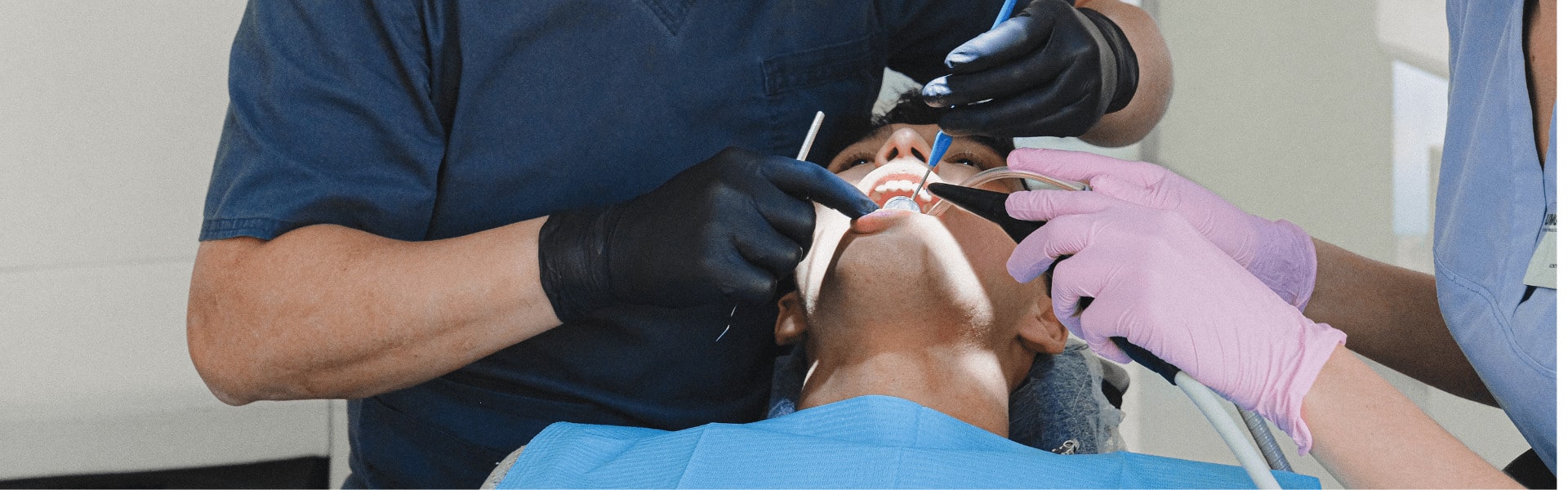
What Are Dental Implants?
Dental implants are titanium-based artificial tooth roots that are surgically placed into the jawbone to support crowns, bridges, or dentures. They offer a long-lasting solution for missing teeth, enhancing both function and appearance. For those considering dental implants Culver City CA, this option provides a more stable and natural alternative to traditional dentures or bridges.
How Common Is Implant Failure?
While dental implants boast a high success rate of 90–95%, failures can occur. Implant failure typically happens either soon after surgery (early failure) or years later (late failure). The risk varies based on factors such as oral hygiene, bone health, and overall medical condition.
Symptoms of Dental Implant Failure
Early detection of implant failure is crucial. Common symptoms include:
- Persistent pain or discomfort around the implant site.
- Swelling or inflammation that doesn’t subside.
- Implant mobility or feeling loose.
- Difficulty chewing or biting with the implant.
- Gum recession or visible gaps around the implant.
- Pus or discharge indicating infection.
If you notice these signs, contact your dentist immediately for evaluation.
Common Reasons for Dental Implant Failure
Several factors can lead to implant failure:
- Infection (Peri-implantitis): Bacterial infection around the implant can cause bone loss.
- Insufficient bone density: Lack of adequate bone support prevents the implant from integrating properly.
- Poor surgical technique: Improper placement can compromise the implant’s stability.
- Implant rejection: Though rare, the body may reject the implant.
- Bruxism (teeth grinding): Excessive force can damage the implant or surrounding bone.
- Smoking: Tobacco use significantly increases the risk of failure.

Risk Factors Contributing to Implant Failure
Certain conditions and habits can increase the likelihood of implant failure:
- Diabetes: Uncontrolled diabetes impairs healing and increases infection risk.
- Osteoporosis: Weak bones may not support the implant adequately.
- Poor oral hygiene: Failure to maintain oral health can lead to infections.
- Medications: Some drugs, like bisphosphonates, can affect bone healing.
- Autoimmune diseases: Conditions like rheumatoid arthritis can hinder recovery.
Tips for Ensuring Implant Success
To maximize the chances of a successful dental implant:
- Maintain good oral hygiene by brushing and flossing daily.
- Follow your dentist’s post-operative care instructions carefully.
- Quit smoking to reduce complications.
- Attend regular dental check-ups for implant monitoring.
- Manage underlying health conditions like diabetes or osteoporosis.
- Wear a nightguard if you have bruxism to protect the implant.
What to Do If You Suspect Failure
If you suspect your dental implant is failing:
- Contact your dentist immediately for a thorough evaluation.
- Avoid chewing on the affected side to prevent further damage.
- Follow prescribed treatments such as antibiotics if an infection is present.
In some cases, removing the implant and planning for a new one after healing may be necessary.
Read More: what is the best type of dental implant
FAQs
Can a failed dental implant be replaced?
Yes, a failed dental implant can often be replaced after addressing the underlying issue and allowing time for healing.
How long do dental implants last?
With proper care, dental implants can last 10–15 years or longer, but regular maintenance is essential.
Is implant failure painful?
Yes, implant failure can cause discomfort, swelling, and pain, especially if infection or bone loss occurs.
Need help getting started? Our California-based offices in Culver City and Inglewood are ready to assist. Reach out by filling out the consultation form or calling 310-643-6221.



0 Comments