

A chipped tooth crown can occur unexpectedly, whether from biting something hard, an accidental injury, or normal wear over time. While it may seem like a minor cosmetic issue, a damaged crown can affect both the function and protection of your tooth if left untreated. Understanding what causes a chipped tooth crown, how to address it, and the treatment options available is crucial for maintaining both the health and appearance of your smile. In this article, we’ll guide you through everything you need to know about repairing a chipped crown, preventing further issues, and knowing when to seek professional care.
What is a Dental Crown?
A chipped tooth crown can occur unexpectedly, and it’s important to understand what a dental crown is before dealing with the damage. A dental crown is a custom-made cap that covers a damaged or decayed tooth, restoring its size, shape, and strength. Dental crowns in Culver City are commonly used to protect weakened teeth, cover large fillings, or repair teeth that have experienced significant damage. If your crown chips, it can compromise both the tooth’s protection and your smile.
The materials used for dental crowns include porcelain, metal, or a combination of both, depending on your needs. The procedure involves shaping the damaged tooth, taking impressions, and placing a temporary crown while the final one is being prepared. If your dental crown becomes chipped, knowing the available options for repair or replacement is essential.
Is it Normal for a Dental Crown to Chip?
It’s not extremely common for a chipped tooth crown to happen, but it’s certainly not unusual. Factors like biting hard foods, grinding your teeth, or trauma can cause crowns to chip over time. Whether the chip is large or small, it’s important to understand that a crown is still a dental restoration, and it can wear out or become damaged just like any other part of your teeth.
A dental crown could be damaged due to physical stress, aging, or an unexpected accident. While porcelain crowns are more prone to breakage, metal crowns can sometimes crack or bend as well.

What Should You Do After Your Dental Crown Chips?
If you notice that your dental crown has chipped, the first thing to do is stay calm and assess the situation. A chipped tooth crown can sometimes cause discomfort, especially if the chip exposes the underlying tooth. However, many times, it may only be a cosmetic issue with no immediate pain. It’s essential, however, to take steps to protect the crown and prevent further damage:
- Avoid chewing on the damaged tooth: This reduces the risk of further injury.
- Contact your dentist immediately: A chipped crown needs to be professionally examined to determine the extent of the damage and decide on the appropriate treatment.
- Consider a temporary solution: In some cases, a temporary filling or resin might be applied to protect the area until the crown is repaired or replaced.
Can a Chipped Crown Be Repaired?
Yes, a damaged crown can often be repaired, but it depends on the extent of the damage. Minor cracks may be smoothed out or filled with resin to restore the appearance and function of the crown. However, larger cracks or damage that exposes the inner tooth structure may require a complete replacement.In some cases, especially with porcelain crowns, repairing the crown may not be feasible, and replacing it entirely will be the best solution.
What Does a Chipped Crown Look Like?
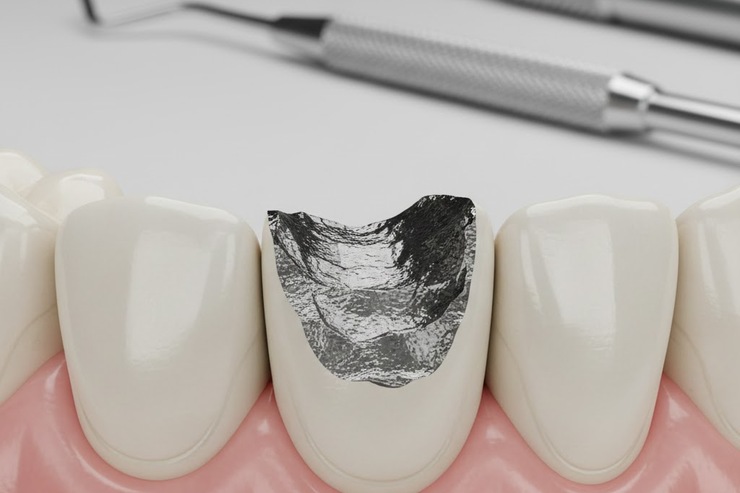
A chipped tooth crown may look jagged or misshapen at the edge, depending on the size and location of the chip. If the crown is made of porcelain, it might have a dull or uneven appearance. If the underlying metal is exposed, it could create an unsightly look, particularly for front teeth.
If you’ve had a Culver City teeth bonding procedure for your chipped crown, the bonding may restore the natural appearance, making the chip nearly invisible.
Chipped Crown with No Pain: What Does It Mean?
If your dental crown is damaged but you're not experiencing any pain, it could mean that the issue is superficial, affecting only the crown without reaching the underlying tooth structure. However, even without pain, damage to the crown should not be ignored. Over time, if the damage worsens or exposes sensitive areas, you may start to feel discomfort. If the chip doesn’t cause pain, you may not need immediate treatment, but it’s still wise to have your dentist assess the situation to avoid future complications.
Chipped Crown with Metal Exposed: What Should You Do?
When a chipped tooth crown exposes metal, it is crucial to visit your dentist as soon as possible. The exposed metal can irritate the gums and increase the risk of infection. It may also compromise the protection the crown provides to the underlying tooth.
Your dentist may recommend a new porcelain crown or a resin bonding treatment to cover the exposed metal. The right solution will depend on your specific needs and the extent of the damage.
How to Repair a Chipped Dental Crown?
Repairing a damaged crown can involve several approaches. For minor fractures, your dentist may use a composite resin or dental bonding to restore the crown's appearance. In more severe cases, where the structural integrity of the crown is compromised, a full replacement might be necessary. If you have a porcelain crown, repairs may not always be possible, and a complete replacement is typically the best option to restore the tooth to its original condition.
Should You See an Emergency Dentist for a Chipped Crown?
A chipped tooth crown doesn’t always require emergency treatment, but in some cases, it’s essential to get immediate care. If the chip causes pain, exposes the inner tooth structure, or leaves you at risk of infection, seeking emergency dental treatment near me can prevent further damage.
If you're unsure whether your situation qualifies as an emergency, it’s best to contact your dentist right away for advice. Many dental offices offer urgent care services to address issues like this quickly.
How to Prevent Your Dental Crown from Chipping
Preventing a chipped dental crown requires being mindful of how you treat your teeth and crowns. Here are some tips:
- Avoid chewing on hard objects like ice, nuts, or hard candy.
- Use a mouthguard if you grind your teeth, especially at night.
- Regular dental checkups will help ensure that your crown is still in good condition. Regular teeth cleaning in Inglewood can also help prevent buildup that might weaken your crown.
Types of Dental Crowns: Which One Is Right for You?
If you’ve experienced damage to your crown, it might be worth considering different materials for your new one. Porcelain crowns are an excellent option for visible teeth due to their natural appearance. On the other hand, metal crowns are more durable and may be better suited for back teeth, where strength is more important.Your dentist will help determine the best type of crown based on your individual needs and preferences.
Restorative Dentistry: How It Can Help with Chipped Crowns
If you’ve suffered a chipped tooth crown, restorative dentistry can help repair or replace the crown. Through restorative techniques, such as bonding, crowns, or implants, your dentist can restore the form and function of your damaged teeth.
Restorative dentistry in Culver City provides a range of treatments that can improve the appearance and durability of your dental work.
Cosmetic Bonding for Chipped Teeth: Is It an Option?
For smaller chips in your crown, cosmetic bonding might be a quick and cost-effective solution. Dental bonding uses a tooth-colored resin that can be applied to the chipped area and hardened to restore the crown’s appearance. It’s ideal for minor cosmetic issues but may not work for more significant damage.
If you’re interested in improving the appearance of your chipped tooth crown, consider consulting your dentist about bonding options.
The Role of Periodontics (Perio) in Chipped Crowns
While periodontal health isn’t directly related to the crown itself, the health of your gums plays a crucial role in the long-term success of your dental crown. Periodontal care in Inglewood ensures that your gums stay healthy and free from infection, which could affect the crown and surrounding teeth.
When Should You Consider a Dental Implant for a Chipped Tooth?
If your dental crown is beyond repair or if the underlying tooth structure is severely damaged, a dental implant may be the best solution. Dental implants in Culver City offer a permanent and natural-looking solution for replacing a missing or irreparably damaged tooth.
How to Care for Your Teeth After a Chipped Crown
After repairing or replacing a chipped tooth crown, it’s essential to take good care of your teeth to ensure the longevity of your dental restoration. Proper brushing, flossing, and routine dental visits are necessary to keep your crown in good condition.
Conclusion
In conclusion, damage to a dental crown doesn’t have to be the end of the road for your smile. With the right care and professional treatment, your crown can be restored, and your tooth protected for years to come. Whether you need a quick repair or a full replacement, your dentist can provide the solutions you need to maintain a beautiful, healthy smile.
Need help getting started? Our California-based offices in Culver City and Inglewood are ready to assist. Reach out by filling out the consultation form or calling 310-643-6221.
FAQs
How long can I go with a chipped crown?
You should see your dentist as soon as possible. While minor chips might not cause immediate pain, leaving a crown damaged for too long can lead to further breakage, tooth decay, or sensitivity. Prompt evaluation ensures the crown is repaired or replaced before complications arise.
Is it common for crowns to chip?
While crowns are designed to be durable, it’s not uncommon for them to chip over time, especially due to biting hard foods, grinding teeth, or trauma. Porcelain crowns are more prone to chipping than metal crowns, but with proper care, most crowns last many years without damage.
Is a chipped crown a dental emergency?
Not always, but it can be. If the chip causes pain, exposes the underlying tooth, or leaves sharp edges, you should seek emergency dental treatment promptly to prevent further damage or infection. Minor chips without discomfort can usually be addressed at your next dental visit.
How much does it cost to fix a chipped crown?
The cost depends on the extent of the damage and the type of crown. Minor repairs with bonding are usually more affordable, while replacing a crown can be more expensive. Your dentist can provide an estimate after examining the crown and recommending the best treatment.
Will my tooth rot under a crown?
If a crown fits properly and you maintain good oral hygiene, your tooth underneath should remain healthy. However, decay can develop if the crown becomes loose, chipped, or if plaque and bacteria accumulate at the margins. Regular dental check-ups and teeth cleaning help prevent this.
What is the average lifespan of a tooth crown?
Most dental crowns last between 10 to 15 years with proper care, though some can last 20 years or more. Factors like oral hygiene, diet, teeth grinding, and regular dental visits influence how long a crown will last.



0 Comments