
Dental implants are a leading choice for replacing missing teeth, offering a long-lasting and natural-looking solution that restores both function and aesthetics. Many patients, however, wonder about their safety. The good news is that dental implants in Culver City are a well-researched and widely used option with a high success rate. In this blog, we’ll explore their safety, potential risks, and why they remain one of the most reliable solutions for tooth replacement.
What Does Dental Implant Surgery Involve?
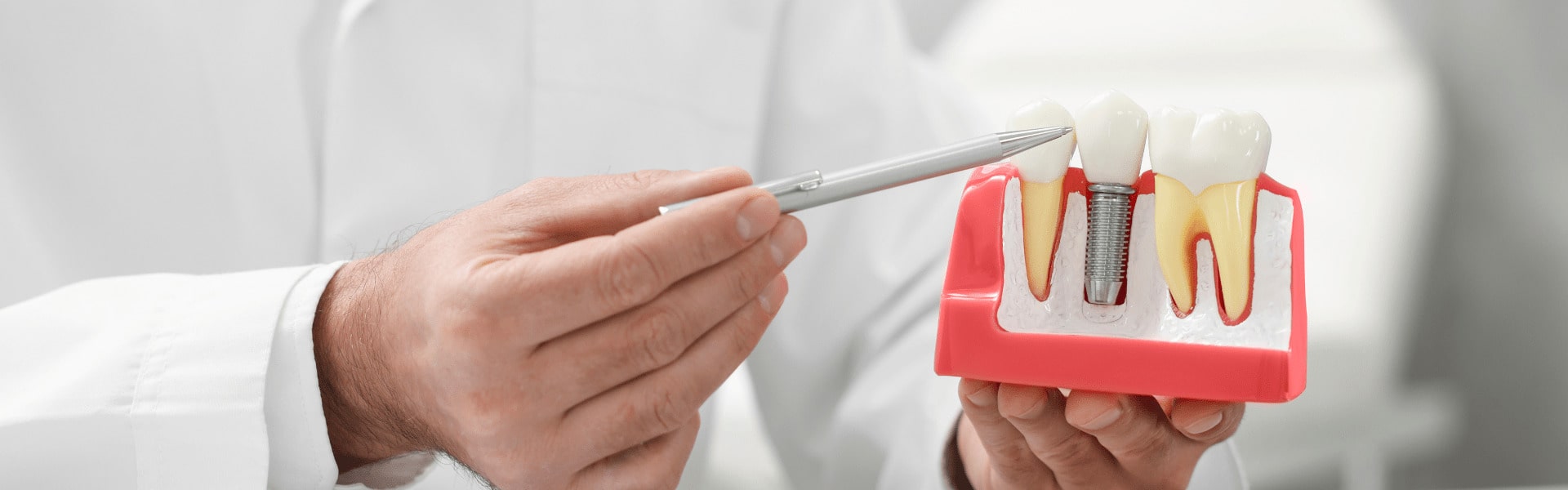
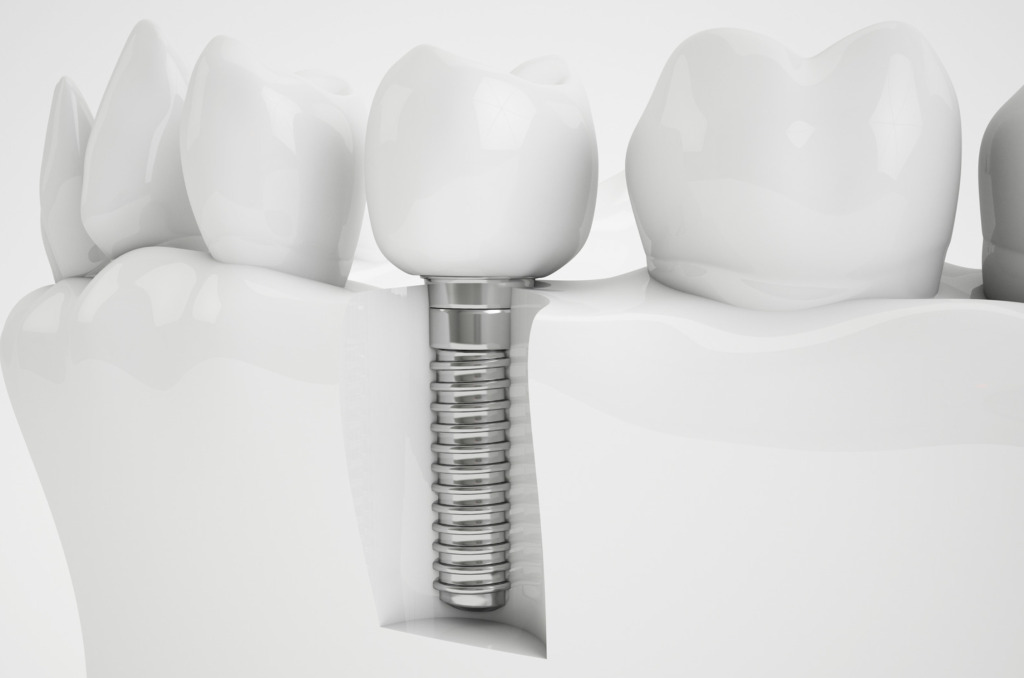
Dental implant surgery is a highly controlled and precise procedure performed by a specialist. The process typically involves placing a titanium post into the jawbone to serve as the root for the artificial tooth. Over time, the titanium integrates with the bone in a process known as osseointegration, creating a stable foundation for the prosthetic tooth.
While any surgery involves some risks, dental implants have an incredibly high success rate around 95-98%. This is due to advancements in technology, improved materials, and careful patient evaluation before the procedure. The surgery is usually performed under local anesthesia, making it a relatively pain-free experience.
Read More: what is the best choice for dental implants
Are Dental Implants Safe?
Yes, dental implants are generally considered safe for most patients. The materials used, primarily titanium, are biocompatible, meaning they do not trigger adverse reactions in the body. In fact, titanium is often used in other medical implants for this reason.
That said, the success of the implant largely depends on the patient's overall health, bone density, and oral hygiene. Healthy individuals who do not smoke or have certain medical conditions (such as uncontrolled diabetes) are the best candidates for dental implants. Your dentist will carefully assess your health to determine if you are a good fit for the procedure.
Common Risks Associated with Dental Implants
Although dental implants are safe, there are some risks to be aware of, as with any surgical procedure. Fortunately, complications are rare, and most issues can be managed with proper care and attention.
- Infection: Like any surgery, there is a slight risk of infection at the implant site. However, following post-surgery care instructions, such as maintaining good oral hygiene and taking prescribed antibiotics, can greatly reduce this risk.
- Peri-implantitis: This is an infection or inflammation of the surrounding gum and bone tissue. Regular dental check-ups and good oral hygiene can help prevent this condition.
- Nerve Damage: In rare cases, nerves near the implant site can be affected during surgery, leading to temporary or permanent numbness or tingling. However, skilled surgeons use advanced imaging techniques to avoid this risk.
- Sinus Problems: For implants placed in the upper jaw, there’s a small chance of complications with the sinuses if the implant protrudes into a sinus cavity. This can be managed with careful planning and sinus lifts when necessary.
- Bone Loss: Implants need healthy bone to remain stable. Over time, some patients may experience bone loss around the implant, but this can usually be managed with bone grafting procedures if detected early.
Read More: non surgical dental implants
How Strong Are Dental Implants Compared to Natural Teeth?
Dental implants are designed to be just as strong, if not stronger, than natural teeth. The titanium post that anchors the prosthetic tooth mimics the natural tooth root and provides excellent support for chewing and biting. In fact, dental implants are often more durable than natural teeth because they do not decay or get cavities.
However, it’s still important to take care of them just as you would your natural teeth. Avoid chewing on extremely hard foods (like ice or hard candies) and practice good oral hygiene to ensure your implants stay in excellent condition. Read More: How Strong Are Dental Implants Compared to Natural Teeth?
What Are the Alternatives to Dental Implants?
While dental implants are a safe and effective solution for many, some patients may prefer or require alternative treatments:
- Dental Bridges: A less invasive option that doesn’t require surgery, dental bridges use adjacent teeth to support a prosthetic tooth. However, they may not last as long as implants and can place extra strain on the surrounding teeth.
- Dentures: Removable dentures are another alternative for missing teeth. While they are non-surgical, they lack the stability and durability of dental implants and may need to be replaced more frequently. For patients with significant jawbone loss, treatment selection becomes even more important, and solutions such as the best dentures for bone loss may offer better long-term comfort and function.
- Partial Dentures: These are similar to full dentures but only replace a few missing teeth. They are removable and may not provide the same comfort or chewing ability as implants.
We specialize in dentures in Inglewood that help patients eat, speak, and smile with ease. Book your visit now.
Need help getting started? Our California-based offices in Culver City and Inglewood are ready to assist. Reach out by filling out the consultation form or calling 310-643-6221.
Conclusion
Dental implants are a safe and reliable option for replacing missing teeth, offering long-term benefits that mimic the look and function of natural teeth. With a high success rate, modern techniques, and careful post-surgery care, implants provide a secure solution for restoring your smile.
If you’re considering dental implants and have concerns about their safety, it’s important to consult with your dentist. They can evaluate your specific needs and determine whether implants are the right choice for you.



0 Comments