
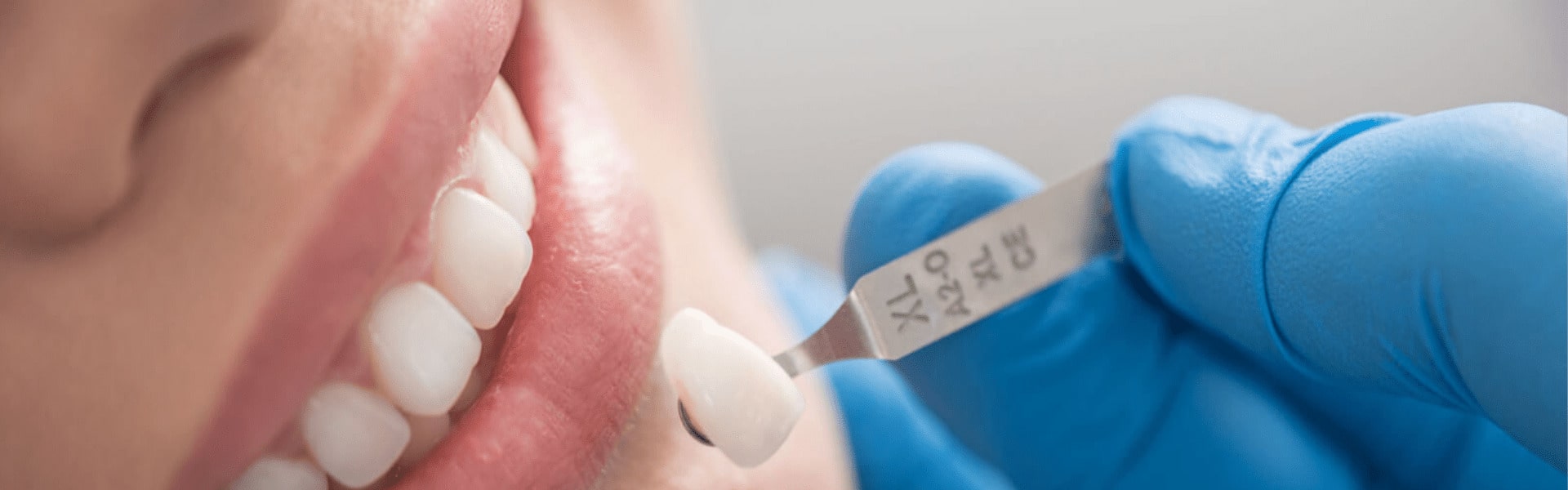
Root canal treatment in culver city is an excellent solution for severely infected or damaged teeth. However, the procedure is not the final step in restoring the tooth’s strength and function. Usually, a crown is recommended to protect the tooth and ensure its long-term success. Many patients often ask, "Can I wait 3 months to get a crown after a root canal?". In this article, we will explore why getting a crown after a root canal is important and how long a root canal-treated tooth can last without one.
How Long Does a Root Canal Last Without a Crown, and What Should You Expect?
If you're wondering how long does a root canal last without a crown, you're not alone. While a root canal effectively removes infection and saves the tooth, leaving it uncapped makes it vulnerable to fractures, reinfection, and structural weakness over time. Typically, a tooth can survive a few weeks to a few months without a crown, especially if it's a front tooth under less pressure. However, molars and premolars are at much higher risk due to the force they endure when chewing. To ensure long-term success and avoid complications like cracks or further infection, it’s essential to get a crown placed as soon as possible ideally within a few weeks of completing your root canal. Always consult your dentist promptly if you're experiencing pain or delays in your treatment plan.
Can I wait 3 months to get a crown after root canal?
At Toothopia Dental, we know life can get busy, but when it comes to your oral health, timing is crucial. You might be wondering, can I wait 3 months to get a crown after a root canal? The answer is generally no. After a root canal, your tooth becomes structurally weaker and more prone to damage. While waiting a few days is usually safe, delaying your crown for as long as three months greatly increases the risk of fractures, reinfection, or failure of the temporary filling. Front teeth under minimal pressure might hold up longer, but molars are especially vulnerable. To protect your tooth and ensure long-term success, we recommend getting your permanent crown within two to three weeks after the root canal. If you’re unsure about your specific case, our dentists in Culver City or Inglewood are here to guide you.
The Function of a Crown in Root Canal Therapy
The tooth loses a significant amount of its natural structure after a root canal procedure. This can weaken the tooth and make it more prone to fracture and reinfection. A crown is a protective covering custom-made to fit over the treated tooth. Depending on how much tooth structure remains after treatment, your dentist decides whether you need a partial or full crown to protect it.
It has the following advantages:
- Protection and Stability: A crown protects and stabilizes a tooth with root canal therapy. The damaged or infected pulp is removed during treatment, weakening the tooth. A crown is a protective cap, completely encasing the tooth and preventing it from fracturing or breaking under normal biting and chewing forces. It gives the tooth strength and stability, allowing it to function properly.
- Reinfection prevention: The crown acts as a barrier against bacteria and other microorganisms, preventing reinfection. There is a slight chance of reinfection even after a root canal. A crown seals the treated tooth, keeping bacteria out and preventing further infection. This reduces the risk of reinfection and the need for additional treatment significantly.
- Restoration of Function: A crown restores the tooth’s functionality, allowing normal biting and chewing. The treated tooth may be weaker and more sensitive without a crown, making it difficult to eat certain foods comfortably. The crown restores the natural shape and contour of the tooth, allowing proper functionality and relieving any discomfort.
- Aesthetic Improvement: Root canal treatments can sometimes cause tooth discoloration. A crown not only strengthens the tooth but also improves its appearance. Dental Crowns are made to match the size, shape, and color of the surrounding teeth, resulting in a natural-looking, seamless smile.
- Treatment Durability: A crown significantly extends the life of a root canal-treated tooth. A crown ensures the long-term success of the root canal treatment by providing protection and stability, reducing the likelihood of further dental issues and the need for additional interventions.
Read More: endodontic procedure
What Happens If You Don’t Cap a Root Canal?
If you don’t get a crown after a root canal, your treated tooth is left vulnerable to several risks. Without the protective cap of a crown, the tooth can become brittle and prone to fracture. The hollowed-out tooth structure after a root canal is weaker than before, and daily activities like chewing or biting down on something hard can cause it to crack.
Furthermore, leaving the tooth uncapped leaves the inner part of the tooth exposed to bacteria. While a root canal removes the infected tissue, bacteria can still enter through cracks or gaps if the tooth is not sealed with a crown. This exposes the tooth to reinfection, potentially leading to another root canal or even extraction if the infection worsens.
Without a crown, the tooth also lacks full functionality. It might not withstand the same chewing forces as a healthy tooth, which could result in discomfort or sensitivity. Over time, this might lead to problems with your bite, as the surrounding teeth might shift to fill the empty space, affecting your overall dental alignment.
Root Canal Without Crown Risks
The risks of leaving a root canal untreated without a crown can be quite serious. Some of the major risks include:
- Additional Cost and Treatment: The longer you delay getting a crown, the more you risk additional dental problems. If your tooth becomes fractured or reinfected, you might require more extensive and expensive treatments, including tooth extraction, which could have been avoided with the proper care.
- Tooth Fracture: A root canal-treated tooth is already compromised in terms of strength. Without the protective coverage of a crown, it is much more likely to crack under pressure. This could result in pain, further damage to the tooth, or even the need for tooth extraction.
- Reinfection: While the root canal removes the infected tissue from the tooth, the tooth itself remains vulnerable. Without a crown to seal it, bacteria can still enter the tooth, leading to reinfection. This might require a second root canal or, in severe cases, extraction.
- Increased Vulnerability: Teeth that have undergone a root canal but have not been restored with a crown can become more vulnerable to damage, particularly to pressure changes, especially if the tooth is left unprotected or develops cracks.
- Potential Misalignment: Without the crown in place, the treated tooth can be more likely to shift or collapse, causing misalignment in the bite. This can lead to complications like TMJ (temporomandibular joint) disorders or issues with surrounding teeth.
Why Postponing a Crown Can Be Harmful
Due to various factors, it may be impossible to place a crown immediately after a root canal in some cases. Delaying getting dental crowns near you for an extended period, on the other hand, can have negative consequences:
- Fracture Vulnerability: The treated tooth is more prone to fracture without a crown. Everyday activities such as biting and chewing can apply significant force to the tooth, increasing the fracture risk.
- Reinfection Risk: Although root canal therapy removes the infection from the tooth’s inner chamber, bacteria can still enter the exposed tooth structure if a crown does not cover it. This can result in reinfection and the need for additional treatment.
- Adjacent Teeth Shift: The absence of a crown can cause neighboring teeth to shift over time, resulting in misalignment and bite issues. This can lead to additional complications and the need for orthodontic treatment.
Whether it’s for you or your child, a top-rated orthodontist in Inglewood can guide you through every step of the journey.

How Long Can a Root Canal Remain Effective Without a Crown?
While it is not recommended by your dentist at 90304 to leave a root canal untreated without a crown indefinitely, the length of time it can last depends on several factors:
- Tooth Position: The position of the treated tooth influences its longevity without a crown. Front teeth are subjected to less chewing force than molars, making them less vulnerable to damage.
- Individual Oral Hygiene: Good oral hygiene habits, such as regular brushing, flossing, and dental check-ups, can help extend the life of a root canal-treated tooth.
- Patient Habits: Certain habits, such as teeth grinding (bruxism) or chewing on hard objects, can significantly reduce the lifespan of a root canal that does not have a crown.
While a root canal treatment by toothopiadental can effectively treat an infected or damaged tooth, it is critical to understand the significance of a crown in ensuring its long-term success. The treated tooth is vulnerable to fractures, reinfection, and tooth shifting without a crown. It is best to consult your dentist in El Segundo, who can assess your case and advise you on the best treatment plan.
I got a root canal, but no crown and it hurts
If you've had a root canal but haven't gotten a crown yet, and now it's starting to hurt, it's likely because the treated tooth is still vulnerable. A root canal removes the infected tissue, leaving the tooth hollow and weaker, which makes it prone to damage without additional protection. A crown is essential because it covers and strengthens the tooth, preventing cracks, sensitivity, and reinfection. If you're feeling pain, it could be due to a breakdown of the temporary filling, sensitivity to temperature or pressure, or even a small crack forming in the untreated tooth. It's important to see your dentist as soon as possible to get the crown placed and protect the tooth from further complications.
Can You Get a Root Canal on a Tooth That Already Has a Crown?
Yes—root canal therapy can still be performed on a crowned tooth, and it’s more common than you might think. If a crowned tooth develops new decay or infection in the pulp, your dentist can create a small access point directly through the crown to perform the root canal. This allows us to preserve the existing crown, provided it’s in good condition. At Toothopia Dental, our team uses precise techniques to minimize damage to the crown during treatment. Once the infection is cleared, we seal the access hole securely. However, if the crown is old, damaged, or poorly fitting, replacing it after the root canal may be the best option to ensure long-term protection.
FAQ
What happens if I delay getting a crown after a root canal?
Delaying a crown can weaken the tooth, making it more prone to cracks or reinfection.
How long can I wait to get a crown after a root canal?
It's best to get a crown within 1-2 weeks after a root canal to prevent fractures and protect the tooth.
Is it normal to feel pain after a root canal without a crown?
Some discomfort is normal, but persistent pain could indicate complications that need a dentist's attention.
How soon should I get a crown after a root canal?
It's best to get a crown within a few weeks to protect and restore the tooth's full function.
Can I wait a month to get a crown after root canal?
It’s best to get a crown soon after a root canal to protect the tooth. Waiting a month is usually okay, but the longer you wait, the higher the risk of tooth fracture or infection. Avoid chewing hard foods on the treated tooth during this time.
Can I wait 6 months to get a crown after root canal?
Waiting 6 months after a root canal before getting a crown is risky. The tooth is fragile and may fracture or get infected without timely protection. Ideally, the crown should be placed within a few weeks to ensure tooth strength and longevity.
Can you eat after a root canal without crown?
You can eat after a root canal, but only soft foods and with caution. The treated tooth is fragile until a crown is placed, so avoid hard or sticky foods to prevent damage.
Can you drink alcohol after a root canal without crown?
It’s best to avoid alcohol right after a root canal, especially before getting a crown. Alcohol can interfere with healing and increase the risk of inflammation or infection.
Need help getting started? Our California-based offices in Culver City and Inglewood are ready to assist. Reach out by filling out the consultation form or calling 310-643-6221.



0 Comments