
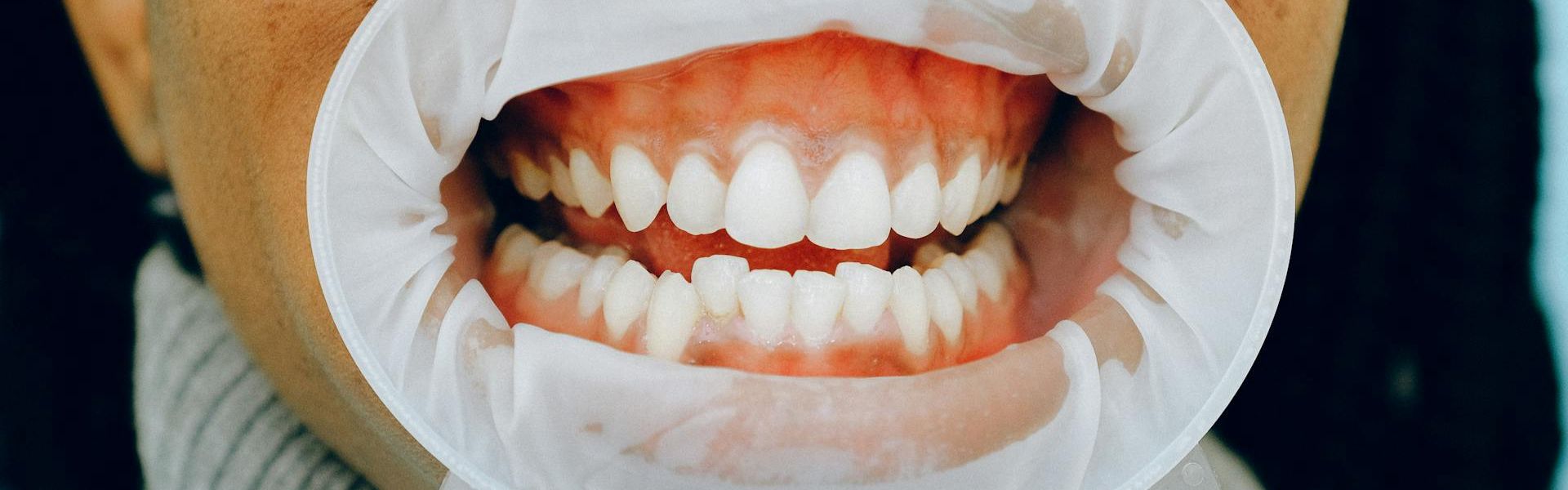
Gum recession is a common dental concern that can lead to tooth sensitivity, root exposure, and long-term oral health issues. While traditional gum grafting has been the standard solution, there are now effective gum graft alternative treatments that are less invasive and offer faster recovery. Understanding these modern options can help you protect your gums, enhance your smile, and choose a solution tailored to your needs. Exploring non-surgical and minimally invasive approaches empowers patients to address gum recession confidently and maintain long-term oral health.
Understanding Gum Recession and Its Causes
Gum recession occurs when the gum tissue surrounding the teeth gradually pulls back or wears away, exposing more of the tooth or its root. This condition can lead to increased tooth sensitivity, higher risk of decay, and even potential tooth loss if left untreated. Receding gums can also affect the appearance of your smile, making teeth look longer than usual.
Several factors contribute to gum recession:
- Periodontal disease – Bacterial infections that damage gum tissue and supporting bone.
- Aggressive brushing – Brushing too hard or using a hard-bristled toothbrush can wear down gums.
- Poor oral hygiene – Plaque buildup can irritate gums and lead to recession.
- Genetics – Some individuals are more prone to gum issues regardless of their oral care routine.
- Tobacco use – Smoking or chewing tobacco weakens gums and makes them more susceptible to recession.
- Hormonal changes – Fluctuations in hormones, particularly in women, can increase gum sensitivity and vulnerability.
- Teeth grinding or misalignment – Excessive pressure on teeth can strain gums and bone.
When Gum Grafting is Typically Recommended
Gum grafting is generally recommended when gum recession has advanced to a stage that threatens both the health and appearance of your teeth. Dentists consider several factors before suggesting the procedure:
- Exposed Tooth Roots – When the roots of teeth are visible, they become more vulnerable to decay, wear, and sensitivity. Grafting covers these roots, providing protection.
- Progressive Gum Recession – If gums continue to recede despite proper oral hygiene, grafting can stop further damage and stabilize the gumline.
- Severe Sensitivity – Patients experiencing significant discomfort from hot, cold, or sweet foods may benefit from gum tissue coverage.
- Cosmetic Concerns – Receding gums can make teeth appear unnaturally long. Gum grafting restores a more even, aesthetically pleasing gumline.
- Risk of Tooth Loss – In advanced cases where the supporting bone or tissue is compromised, grafting can help preserve teeth that might otherwise be lost.
- Following Periodontal Treatment – After treating gum disease, grafting may be recommended to repair damaged tissue and prevent recurrence.
Dentists usually recommend gum grafting when other preventive measures are no longer sufficient, especially in cases linked to advanced periodontal disease, severe wear from brushing, or structural issues caused by misalignment. If you’re weighing your treatment choices, it can be helpful to compare different methods, such as Bonding vs. Gum Grafting, to determine the best approach for your specific needs.
Non-Surgical Alternatives to Gum Grafting
For patients looking to address receding gums without surgery, there are several effective gum graft alternative options. These methods focus on protecting exposed roots, improving gum health, and enhancing the appearance of the smile while minimizing recovery time and discomfort.
Pinhole Surgical Technique (PST)
The Pinhole Surgical Technique (PST) is a minimally invasive procedure designed to treat gum recession without the need for traditional grafting. Instead of harvesting tissue from another area of the mouth, the dentist makes a small entry point — or “pinhole” — above the affected area. Through this tiny opening, specialized instruments are used to gently loosen and reposition the existing gum tissue over the exposed tooth roots.
PST offers several advantages compared to conventional gum grafting:
- Minimal discomfort – Because no tissue is removed, patients typically experience less pain and swelling.
- Faster recovery – Most patients can resume normal activities within a few days.
- Immediate aesthetic improvement – The repositioned gum tissue provides instant coverage of exposed roots, enhancing the smile.
- Reduced risk of complications – With no donor site, there is less chance of post-operative issues.
Laser Gum Therapy
Laser gum therapy is a modern, minimally invasive option for treating gum recession and improving overall gum health. Using focused laser energy, dentists can remove diseased or inflamed tissue, stimulate gum regeneration, and promote healing without the need for traditional surgical incisions. This method can reduce bacteria, control infection, and encourage the gums to reattach to the teeth, offering both therapeutic and cosmetic benefits.
Advantages of laser gum therapy include:
- Reduced bleeding and swelling – The precision of the laser minimizes trauma to surrounding tissue.
- Faster recovery time – Patients typically experience less discomfort and heal more quickly compared to conventional surgery.
- Lower risk of infection – The laser sterilizes the treatment area as it works.
- Enhanced gum appearance – Laser treatment can improve gum contour and overall aesthetics.
Collagen-Based Regeneration
Collagen-based regeneration is a non-surgical approach that uses biocompatible collagen materials to support gum tissue healing and regeneration. This method provides a scaffold that encourages the body’s natural tissue to grow and cover exposed tooth roots, helping to restore the gumline without the need for traditional grafting.
Key benefits of collagen-based regeneration include:
- Minimally invasive – No tissue is harvested from another area of the mouth, reducing patient discomfort.
- Promotes natural healing – Collagen encourages gum cells to regenerate, improving tissue thickness and coverage.
- Reduced recovery time – Patients typically experience faster healing compared to conventional graft procedures.
- Enhanced aesthetics – The regenerated tissue helps restore a more uniform and healthy-looking gumline.

Lifestyle and Home Care to Support Gum Health
Maintaining healthy gums goes beyond professional treatments — daily habits play a vital role in preventing further gum recession and supporting long-term oral health. Using a soft-bristled toothbrush and gentle, circular motions helps clean teeth effectively without damaging delicate gum tissue. Flossing at least once a day removes plaque and food particles from areas a toothbrush can’t reach, reducing the risk of inflammation and decay.
A balanced diet rich in vitamins and minerals, especially vitamin C, calcium, and antioxidants, strengthens gums and the supporting bone structure. Avoiding tobacco products is crucial, as smoking or chewing tobacco weakens gum tissue and increases susceptibility to disease. Regular dental checkups and cleanings allow early detection of gum issues, ensuring timely intervention before problems worsen. Additionally, managing teeth grinding with a night guard or stress-reduction techniques can prevent excessive pressure on gums and supporting structures. By incorporating these habits, you can enhance the effectiveness of treatments and maintain strong, healthy gums over time.
Choosing the Right Periodontist or Dentist for Treatment
Selecting a skilled dental professional is essential when addressing gum recession, whether you’re considering traditional grafting or a gum graft alternative. It’s important to ensure that the dentist or periodontist is licensed and experienced in treating gum recession, with expertise in both surgical and non-surgical procedures.
A good provider will discuss all available treatment options, including less invasive alternatives, and tailor a plan to your specific needs. Patient care and communication are equally important. Your dentist should clearly explain procedures, answer your questions thoroughly, and prioritize your comfort throughout treatment.
Additionally, reading reviews and seeking recommendations from other patients can offer valuable insight into the quality of care and expected outcomes, helping you make an informed choice.
In summary, finding the right dental professional ensures that your gum treatment is effective, safe, and aligned with your health and cosmetic goals. For expert care and personalized solutions, trust our team at Gum Disease Treatment in Culver City to help restore your gum health and protect your smile.
FAQs
1. Is the pinhole technique permanent?
Yes, results from the Pinhole Surgical Technique are long-lasting if proper oral hygiene is maintained and gum recession is managed.
2. Does laser gum therapy hurt?
Most patients experience minimal discomfort with laser therapy, often described as mild warmth or pressure, with faster healing than traditional surgery.
3. Can gum recession heal naturally?
No, once gums have receded, they generally do not grow back on their own; professional treatment or non-surgical alternatives are needed to restore tissue coverage.



0 Comments