

When jawbone deterioration occurs, finding effective bone loss dental implant options becomes essential for restoring both function and aesthetics. Bone loss can limit traditional implant placement, but modern dental techniques now offer solutions even in challenging cases. Understanding your options early can help you achieve a stable, long-lasting smile and avoid further complications, making informed decisions about your dental health more important than ever.
Why Bone Loss Happens Before Dental Implants
Bone loss in the jaw is a common obstacle for patients considering dental implants. It usually occurs when a tooth has been missing for a long time, and the surrounding bone no longer receives the stimulation it needs to maintain its density. Without the pressure created by chewing, the body gradually reabsorbs the unused bone tissue.
Several factors can accelerate or worsen this process:
- Gum disease – Chronic periodontitis damages the bone supporting the teeth, making it weaker and less able to hold an implant.
- Tooth extraction without replacement – Leaving a gap after a tooth removal speeds up bone resorption in that area.
- Injury or trauma – Accidents that damage the jawbone or teeth can lead to bone loss over time.
- Medical conditions – Osteoporosis, certain metabolic disorders, or long-term use of some medications can reduce bone density.
When bone loss reaches a certain level, placing a dental implant becomes challenging without additional procedures like bone grafting or sinus lifts to rebuild the jaw’s structure.
Can You Still Get Dental Implants with Bone Loss?
Yes, many patients with bone loss can still receive dental implants, but it often depends on the severity and location of the bone loss. In some cases, the jaw may still have enough healthy bone to support an implant without additional procedures. In others, the bone needs to be restored or reinforced before the implant can be placed securely.
A dentist will typically evaluate your bone density and volume using advanced imaging to decide whether implants are possible and what preliminary steps, if any, are necessary.
Best Implant Options When Bone is Limited
When patients have reduced jawbone density, finding the right bone loss dental implant options becomes essential for long-term success. Traditional implants require a certain amount of strong, healthy bone to anchor securely. However, advancements in implant dentistry now make it possible to restore smiles even when bone is limited. These specialized techniques work around bone loss or use alternative anchoring points to provide stability and function without the need for extensive bone grafting.
Zygomatic Implants
Zygomatic implants are designed for patients with severe bone loss in the upper jaw. Instead of being anchored into the jawbone, these longer implants are placed into the zygomatic bone (cheekbone), which is naturally dense and strong. This method bypasses the weakened jaw area entirely, offering a stable foundation for replacement teeth without the need for traditional bone grafting. While the procedure is more complex and requires a highly skilled surgeon, it can provide an immediate solution for those previously told they were not candidates for dental implants. Recovery is often faster than with multiple grafting sessions, and the results are highly durable.
All-on-4 Implants
The All-on-4 implant technique is ideal for patients with moderate bone loss who need a full arch of replacement teeth. It uses just four strategically placed implants two in the front and two angled in the back to maximize the existing bone’s support. This approach often eliminates the need for bone grafting and allows for the attachment of a complete set of fixed teeth on the same day. Because the implants are angled, they can anchor into denser areas of the jaw, improving stability. All-on-4 offers both functional and aesthetic benefits, restoring chewing ability and giving patients a natural-looking smile in a shorter treatment timeframe.
Mini Dental Implants
Mini dental implants are smaller in diameter than traditional implants, making them a good choice for patients with limited bone volume who are not ready for major reconstructive surgery. Despite their reduced size, they can securely hold crowns, bridges, or dentures in place. The placement procedure is typically less invasive, with shorter healing times and minimal discomfort. Mini implants can be used as a temporary or long-term solution, depending on the patient’s needs and oral health condition. They are especially popular for stabilizing lower dentures, providing better comfort and confidence when speaking or eating. In cases where bone loss is more advanced and implant stability becomes limited, patients may need to explore the best dentures for bone loss to achieve better support and comfort.
When Bone Grafting is Recommended
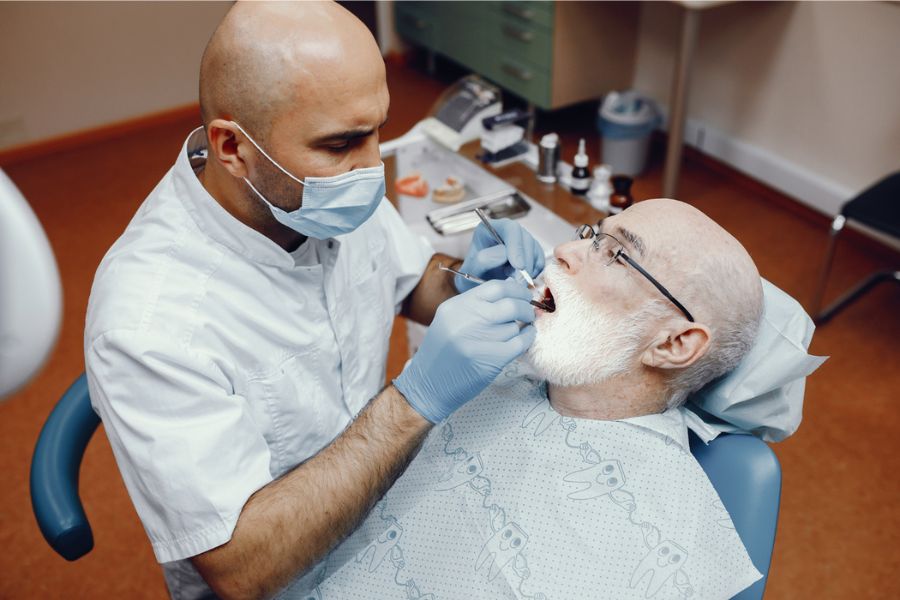
Bone grafting is often advised when the jawbone lacks the necessary density or volume to securely hold a dental implant. Without sufficient bone, an implant may not integrate properly, increasing the risk of loosening or failure. Bone grafting restores and strengthens the jaw’s structure, creating a stable foundation for future implants.
Dentists may recommend bone grafting in situations such as:
- Severe bone loss from long-term tooth loss – When a missing tooth has been left untreated for years, the surrounding bone can shrink significantly.
- Damage from gum disease – Advanced periodontitis can erode bone around the teeth, requiring reconstruction before implants.
- Jawbone injury – Trauma to the face or jaw can result in bone defects that need rebuilding.
- Sinus proximity in the upper jaw – In some cases, the bone separating the jaw from the sinus cavity is too thin, making a sinus lift with grafting necessary.
Cost Considerations & Longevity
The cost of dental implants for patients with bone loss can vary widely depending on the chosen implant method, the need for preparatory procedures, and the complexity of the case. Options like zygomatic or All-on-4 implants may be more expensive due to the advanced surgical skills and technology required, while mini implants are often more affordable. Bone grafting, sinus lifts, and diagnostic imaging can also add to the total cost.
In terms of longevity, well-placed dental implants even in cases of bone loss can last 15 years or more with proper care, and many last a lifetime. Factors that influence implant durability include oral hygiene habits, regular dental checkups, and avoiding damaging habits like teeth grinding or smoking. While the initial investment can be significant, the long-term function, comfort, and confidence dental implants provide often outweigh the costs.
If you’re considering implants but have concerns about bone loss, you might also be interested in our detailed guide on Bone Augmentation in Dentistry.
Choosing the Right Dentist for Complex Implant Cases
Selecting an experienced dentist is crucial when dealing with complex bone loss dental implant options. Advanced procedures like zygomatic implants, All-on-4 systems, or bone grafting require precision, skill, and thorough planning to ensure long-term success and patient safety. A qualified implant specialist will evaluate your bone health, discuss suitable implant choices, and create a personalized treatment plan tailored to your needs.
In summary, patients with bone loss still have multiple options to restore their smiles, but the key to success lies in careful planning, understanding the available implant techniques, and choosing a dentist with proven expertise in complex cases. With the right approach, even severe bone loss doesn’t have to limit your dental implant possibilities.
For reliable treatment and exceptional results, trust our team for dental implants in Culver City, offering comprehensive implant solutions and advanced care to help you regain a healthy, confident smile.
FAQs
1. What are the risks of getting implants with bone loss?
Risks include implant failure, poor integration, and potential damage to surrounding structures if the bone is insufficient. Proper evaluation and planning minimize these risks.
2. How long do zygomatic implants last?
With proper care, zygomatic implants can last 15–25 years or more, often functioning as long-term solutions for patients with severe upper jaw bone loss.
3. Is bone grafting painful?
Most patients experience mild to moderate discomfort after bone grafting, manageable with pain medication. Healing usually takes a few weeks to months depending on the procedure.



0 Comments