

A bump on the gums is a common dental concern that can appear for various reasons, ranging from minor irritation to underlying infections or dental problems. Most bumps are harmless and can be treated with proper dental care, but some may require professional attention to prevent complications. Knowing the type, location, and symptoms of the bump is key to deciding the appropriate treatment.
Why do I have a bump on my gums?
Bumps on the gums can develop due to several factors. They may appear as a white bump on gums, a hard bump on gums, or a red bump on gums. Some patients notice a hard bump on the gums by the molar or a bump on the gum above the tooth. Common causes include gum infection, irritation from dental work, impacted teeth, or issues related to dental implants. Early evaluation by a dental professional can help identify the cause and prevent further complications.
Common causes of a bump on your gums
Understanding why bumps form on your gums is essential for proper care and treatment. These bumps can vary in color, size, and firmness, and their causes may range from minor irritation to more serious dental issues. By identifying the underlying reason, you can take the right steps to relieve discomfort and maintain healthy gums.
Gum infection or abscess
A red bump on the gums is often a sign of a bacterial infection or abscess. These bumps can be painful, swollen, and sometimes filled with pus. They usually occur when bacteria penetrate the gum tissue through a small cut or around a decayed tooth. Left untreated, an abscess can spread to surrounding tissues or even affect your overall health. Treatment typically involves professional dental care to remove the infection, reduce inflammation, and promote healing
Irritation from dental procedures or crowns
Minor bumps can appear after dental work, especially around teeth that have recently received crowns or other dental procedures. These bumps are usually caused by irritation of the gum tissue during the treatment or by friction from the new dental restoration. In most cases, these bumps subside naturally within a few days or weeks. If the irritation persists, your dentist may recommend adjustments or additional treatments to protect your gums and restore comfort.
Impacted wisdom teeth
Wisdom teeth that do not fully emerge, known as impacted molars, can create pressure and lead to bumps or swelling in the gum tissue. These bumps are often firm or hard and may be accompanied by pain, discomfort when chewing, or localized inflammation. If left untreated, impacted wisdom teeth can cause infections or misalignment of adjacent teeth. In such cases, a dental professional may need to remove the impacted teeth to relieve symptoms and prevent further complications.
Dental implants
Although dental implants are a safe and effective solution for missing teeth, bumps can sometimes develop near the implant site. These bumps may result from irritation, minor infection, or the body’s natural healing response following the procedure. Regular follow-up appointments and proper oral hygiene are essential to prevent complications. When problems occur, a dental professional can evaluate and adjust the implant as needed to ensure proper healing and maintain gum health.

Symptoms to watch for with a hard bump on the gums
When you notice a hard bump on your gums, it’s important to monitor its characteristics and any accompanying symptoms. Some bumps are harmless, but others may indicate an underlying dental issue. Here are key symptoms to watch for:
Hardness near molars (Hard bump on gums by the molar)
- A firm or hard bump behind your molars could indicate an impacted tooth, cyst, or irritation from dental restorations.
- It may cause discomfort while chewing or when pressure is applied.
White bumps on gums
- White or yellowish bumps may suggest pus accumulation, early infection, or small cysts.
- These bumps can sometimes be painless but may later lead to swelling or redness.
Red bumps on gums
- A red bump often signals inflammation, gum infection, or an abscess.
- The area may feel tender, bleed when touched, or be warm to the touch.
A red bump on your gums may sometimes appear as a blood blister in the mouth, which can result from irritation, minor trauma, or infection. It’s important to monitor it and consult your dentist if it persists.
Pain or sensitivity
- Some bumps may cause localized pain, throbbing, or tenderness when eating, brushing, or flossing.
- Pain severity can help indicate whether the issue is minor irritation or a more serious infection.
Bleeding or discharge
- Persistent bleeding or discharge from a bump is a warning sign of infection or gum disease.
- If left untreated, it can lead to more serious complications affecting surrounding teeth or bone.
Swelling or enlargement
- Rapidly growing bumps or swelling in the gum tissue should be addressed promptly.
- Swelling may indicate abscess formation, cysts, or irritation from a nearby dental procedure.
Changes in surrounding teeth
If the bump affects neighboring teeth, you may notice mobility, pain while biting, or sensitivity to hot and cold.
Treatment options for a bump on your gums
The treatment for a bump on the gums depends on the underlying cause, its location, and severity. Here’s a detailed overview of available options:
Professional cleaning and preventive care
- Bumps caused by plaque buildup, mild irritation, or early signs of gum inflammation can often be treated with professional cleaning.
- Regular maintenance removes bacteria and debris that contribute to gum bumps.
- Visiting a specialist in Culver City for dental cleanings ensures that your gums are properly examined, cleaned, and monitored to prevent further issues.
Periodontal treatment for gum disease
- If the bump is due to infection or periodontal disease, targeted treatment is necessary to control inflammation and eliminate bacteria.
- Symptoms like redness, swelling, or tenderness often indicate gum disease.
- Periodontal treatment in Culver City provides expert care to restore gum health and reduce the risk of future bumps or abscesses.
Restorative or cosmetic solutions
- Some bumps may appear near damaged or restored teeth. Issues like chipped teeth, worn fillings, or irritation from dental restorations can cause gum swelling.
- Procedures such as restorative dentistry or a front teeth partial crown can correct these problems while improving both function and aesthetics.
Oral surgery and tooth extractions
- Persistent bumps caused by impacted teeth, cysts, or severe infections often require surgical intervention.
- Oral surgery in Culver City can remove problematic tissue or teeth safely, preventing further complications.
- In cases where extraction is necessary, tooth extractions in Inglewood provide a safe and effective solution.
Dental implants
- Occasionally, bumps develop near dental implants due to irritation or minor infection.
- Regular follow-up ensures that implants heal properly and remain secure.
- Full arch dental implants in Inglewood can restore missing teeth while maintaining gum health and preventing recurrent bumps.
When to visit a dentist about a bump on the gums?
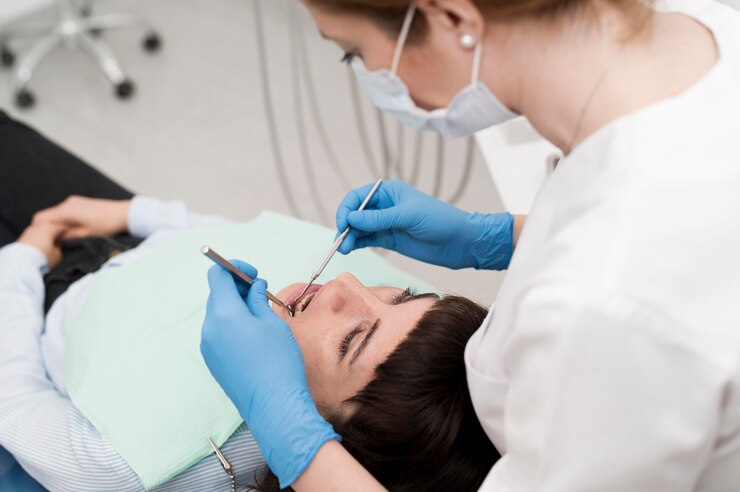
Although many bumps on gums are harmless and may resolve on their own, certain signs indicate the need for prompt dental evaluation. Seeing a dentist early can prevent minor issues from developing into serious problems. Consider scheduling a consultation if you notice any of the following:
- Persistent or growing bumps: If a bump does not shrink or continues to grow over time, it may indicate an underlying issue such as an abscess, cyst, or irritation from dental work. Early assessment ensures proper diagnosis and timely treatment.
- Pain or discomfort: Bumps that are painful, throbbing, or sensitive to touch may signal infection, impacted teeth, or gum disease.
- Redness, swelling, or warmth: A red bump accompanied by swelling or warmth often indicates inflammation or infection. Prompt evaluation can prevent the issue from worsening.
- Bleeding or discharge: Bumps that bleed easily or release pus are a warning sign of infection and should not be ignored.
- Impact on surrounding teeth: If the bump causes nearby teeth to feel loose, sensitive, or misaligned, professional intervention is essential
- Recurrent bumps: Frequent appearance of bumps in the same area may indicate chronic gum issues or irritation from dental appliances.
Tip: Even if a bump seems minor, scheduling a dental evaluation ensures peace of mind and prevents potential complications. Early detection and treatment are always the best approach for maintaining healthy gums.
Preventing bumps on your gums
Preventing bumps on your gums is always better than treating them. By maintaining proper oral hygiene and regular dental care, you can minimize the risk of developing gum bumps. Here are some effective strategies:
- Maintain regular oral hygiene:
- Brush your teeth at least twice a day and floss daily to remove plaque and food debris that can irritate gums.
- Proper cleaning reduces the risk of inflammation, infection, and the formation of white or red bumps on the gums.
- Using appropriate brushing techniques and soft-bristled toothbrushes helps protect delicate gum tissue.
- Schedule regular dental checkups:
- Regular visits to a dentist allow early detection of abnormal bumps or gum issues before they worsen.
- Professional cleanings not only remove plaque and tartar but also help identify early signs of gum disease or irritation.
- Services like preventive dentistry in Culver City provide thorough examinations and guidance to maintain healthy gums.
- Professional cleanings:
- Even with excellent home care, plaque and tartar can accumulate in hard-to-reach areas.
- Professional dental cleanings remove buildup effectively and help prevent gum irritation that could lead to bumps.
- Cleanings also reduce the likelihood of infections that cause hard bumps on the gums.
- Avoid trauma to the gums
- Avoid biting hard foods or using your teeth as tools, as this can injure gum tissue and cause bumps.
- Protect your mouth during sports with a mouthguard and ensure that any dental appliances fit properly to prevent friction or irritation.
- Healthy lifestyle habits
- Eating a balanced diet rich in vitamins and minerals supports gum health.
- Avoiding tobacco and limiting sugary foods reduces the risk of infections and inflammation that may cause gum bumps.
- Monitor changes in your gums
- Pay attention to any bumps, redness, swelling, or tenderness.
- Early detection enables timely intervention through appropriate dental care, if necessary.
Conclusion
A bump on the gums can have various causes, ranging from minor irritation to more serious dental issues. Paying attention to changes in your gum tissue, maintaining proper oral hygiene, and seeking timely dental evaluation can help prevent complications and promote overall oral health. By addressing concerns early, you can ensure your gums and teeth remain healthy and strong.
Need help getting started? Our California-based offices in Culver City and Inglewood are ready to assist. Reach out by filling out the consultation form or calling 310-643-6221.
FAQs
Can stress cause gum boils?
Yes, stress can contribute to gum problems, including boils. Stress weakens the immune system, making it easier for infections to develop and for existing gum irritation to worsen. Maintaining good oral hygiene and managing stress can help reduce the risk.
Can I pop a gum bump?
No, you should never pop a gum bump. Doing so can worsen the infection, cause bleeding, and damage the surrounding tissue. It's best to have a dentist examine and treat the bump safely.
How long does a gum bump usually last?
Most minor gum bumps resolve within a few days to a couple of weeks. Persistent or growing bumps should be evaluated by a dentist.
Are gum bumps contagious?
Gum bumps themselves are not contagious, but if caused by a bacterial or viral infection, the underlying infection could potentially spread.
Can gum bumps go away on their own?
Some minor bumps caused by irritation or trauma may subside naturally. However, bumps caused by infection or impacted teeth require professional evaluation.
Do gum bumps always indicate a serious problem?
Not always. Many gum bumps are minor and harmless, but any bump accompanied by pain, swelling, or discharge should be checked by a dentist.
Can poor oral hygiene cause gum bumps?
Yes, inadequate oral care can lead to plaque buildup, irritation, and infection, which may result in gum bumps. Maintaining proper hygiene helps prevent them.



0 Comments