
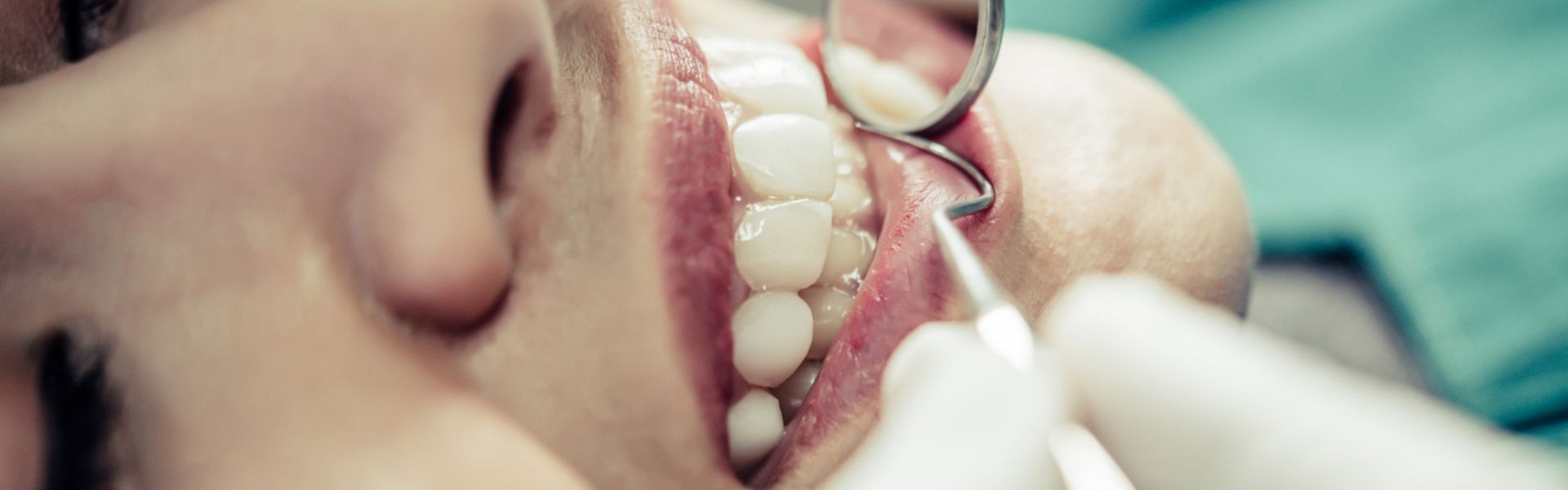
An uneven bite after a cavity filling usually means the new filling sits slightly higher than your natural tooth surface, often by less than a millimeter, causing your teeth to meet unevenly when you close your mouth. Dentists call this a "high bite" or "high spot," and it's one of the most common complaints after a filling. The fix is almost always quick: a small in-office adjustment that takes just 5–10 minutes and requires no anesthetic.
In this guide, you'll learn the exact causes behind an uneven bite after a filling, the signs your filling is too high (including some surprising ones), how dentists fix it, and what you can safely do at home while you wait. Some of what your bite is telling you may genuinely surprise you.
Key Takeaways
- After a bite adjustment, mild soreness for 1 to 2 weeks can be normal as the periodontal ligament heals, but sharp pain, swelling, or worsening discomfort warrants a follow-up visit.
- An uneven bite after a cavity filling typically results from a filling sitting less than 1 millimeter above the natural tooth surface; human teeth can detect height differences as small as 20 microns.
- A high filling will not fix itself; modern composite resin reaches full hardness immediately after curing and requires a professional bite adjustment.
- A bite adjustment takes only 5 to 10 minutes, requires no anesthetic, and uses articulating paper to mark and reduce the high contact points.
- Common signs of a high filling include jaw pain, difficulty chewing, tension headaches, TMJ symptoms like clicking or popping, and cold sensitivity lasting more than 30 seconds.
- Mild bite unevenness usually settles within a few days; if discomfort persists beyond one week, schedule a dental adjustment to prevent periodontal ligament inflammation.
- Safe at-home remedies include cold compresses for 15–20 minutes, ibuprofen 200–400 mg every 6–8 hours, a soft-food diet, and chewing on the opposite side; never attempt to file or adjust the filling yourself.
What Is a High Bite After a Filling?
A high bite, also called a high spot or occlusal interference, occurs when a filling sits slightly above the natural surface of your tooth, often by less than a millimeter. When you close your mouth, the filled tooth makes contact with the opposing tooth before the rest of your teeth meet, creating uneven pressure across your entire bite.
Because your teeth can detect height differences as small as 20 microns (a fraction of a hair's width), even an imperceptible high spot feels significant. This is why a brand-new filling that "looks perfect" can still feel wrong the moment the anesthesia wears off.
What Causes an Uneven Bite After a Filling?
Experiencing an uneven bite after cavity filling can be uncomfortable and frustrating. Several factors can contribute to this issue, ranging from the procedure itself to how your mouth adjusts afterward. Understanding these causes can help you figure out what might be causing the problem and how to address it.
Overfilled or High Filling
One of the most common causes of an uneven bite is a filling that is placed too high. If the filling extends above the natural surface of the tooth, it can disrupt the way your upper and lower teeth meet when you bite down. This is particularly true for larger fillings, where it may be difficult to properly match the tooth’s original height. An overfilled or high filling may create pressure points on your teeth, causing discomfort or making it feel like something is "off" when you close your mouth.
Changes in Your Bite Alignment
Even small alterations to the shape of your tooth during the filling procedure can affect your bite. When a filling is added to a cavity, it may slightly change how your teeth align with one another. If the filling is not shaped correctly, it can result in an uneven bite, leading to discomfort when chewing or speaking. Over time, this misalignment could cause further issues, such as jaw pain or muscle strain.
Temporary Sensitivity and Swelling
After a filling, it’s common to experience temporary sensitivity or swelling around the treated area. This can make it feel like your bite is uneven, even if the filling is properly placed. Swelling of the gums or the tooth itself may create a slight misalignment that resolves as the inflammation goes down. This is usually a short-term issue, but if the discomfort persists, it’s important to consult with your dentist to ensure that the filling is functioning correctly.
Signs That Your Filling is Too High
If your filling is too high, it can cause several symptoms that affect your bite and overall comfort. It’s important to recognize the signs early so you can address the issue with your dentist before it leads to more serious problems.
Jaw Pain and Discomfort
One of the most noticeable signs that your filling may be too high is jaw pain. If the filling is causing your teeth to misalign, it can create extra pressure on your jaw, leading to discomfort, particularly when chewing or even when your teeth are at rest. Over time, this pressure can cause muscle strain, leading to chronic pain or discomfort in your jaw.
Difficulty Chewing Properly
An overfilled or high filling can make it difficult to chew your food properly. If your teeth don’t align correctly, you may find yourself avoiding certain foods or experiencing discomfort while chewing. This is especially true if the high filling interferes with the normal biting process, forcing you to chew in an unnatural way that can cause additional stress on your teeth and jaw.
Headaches and TMJ Issues
A high filling can also lead to headaches, particularly if it’s affecting the alignment of your bite. Since your jaw may be under increased pressure, the muscles around your head and neck can become tense, leading to tension headaches. This misalignment can also contribute to Temporomandibular Joint (TMJ) issues, which may cause pain, popping, or clicking sounds when you move your jaw.
If those jaw symptoms continue beyond a few weeks after the bite is adjusted, dedicated TMJ treatment can address the residual joint strain and prevent it from becoming a chronic issue.
Lingering Cold Sensitivity When Chewing
An unexpected sign of a high bite is increased cold sensitivity, especially that lingers for more than 30 seconds. When the periodontal ligament is inflamed from extra pressure, it transmits temperature changes more intensely. If your filled tooth suddenly reacts to cold drinks more than it did before, the cause may not be the filling material; it may be the bite.

How to Fix an Uneven Bite After a Filling
An uneven bite after cavity filling can cause discomfort, but there are several ways to address the issue. Depending on the cause, you might need to see your dentist or try some simple at-home remedies. Here’s how to fix it.
When to See Your Dentist for an Adjustment
If you notice your bite feels off, it’s essential to visit your dentist for an adjustment. A high or misaligned filling can usually be reshaped quickly to restore proper alignment and comfort. Ignoring it can lead to further issues like jaw pain or tooth wear, so it’s best to address it promptly.
Need help getting started? Our California-based offices in Culver City and Inglewood are ready to assist. Reach out by filling out the consultation form or calling 310-643-6221.
Can a High Filling Fix Itself Over Time?
Patients often ask, " Will a high filling fix itself?" The short answer is no. Modern composite resin reaches full hardness the moment your dentist's curing light hits it, so a high spot won't gradually wear down the way some older amalgam fillings used to in their first 24 hours. The only reliable way to correct it is a professional bite adjustment.
At-Home Remedies for Mild Discomfort
If your bite feels mildly off after a filling and you can't see your dentist right away, a few safe at-home steps can ease the discomfort while you wait. Keep in mind these remedies only manage symptoms; they don't fix a high filling, which always needs a professional adjustment. At-home care is fine when your discomfort is mild, and you have a dentist visit planned within a few days. If you notice sharp pain, swelling, fever, or persistent throbbing, skip these steps and call your dentist right away. The table below shows the most effective remedies and how to use them safely:
| Remedy | How It Helps | How to Use |
|---|---|---|
| Cold compress | Reduces inflammation | 15–20 min with cloth barrier |
| Ibuprofen | Pain and inflammation relief | Every 6–8 hrs with food |
| Acetaminophen | Pain relief | Every 6 hrs as needed |
| Chew opposite side | Reduces pressure on filling | Temporary use only |
| Soft-food diet | Lowers chewing stress | Eat soft foods, avoid hard foods |
| Saltwater rinse | Soothes gum tissue | 2–3 times daily |
| Avoid hot/cold foods | Prevents sensitivity | Until bite is adjusted |
None of these remedies will make a high filling settle on its own. If your symptoms haven't improved within 48–72 hours, or if the pain gets sharper rather than duller, book a bite adjustment.
One important warning: never try to file or adjust the filing yourself. You can fracture the tooth or damage surrounding teeth, which makes the professional's fix more complicated. The in-office adjustment only takes 5–10 minutes and requires no anesthetic.
How to Prevent Bite Issues After a Filling
Preventing bite issues after a filling can save you from unnecessary discomfort and the need for further adjustments. Here are some helpful tips to ensure your bite remains properly aligned.
Communicating with Your Dentist About Bite Alignment
Before undergoing a filling procedure, it's essential to discuss any concerns about bite alignment with your dentist. Be sure to mention any past issues with your bite or discomfort you’ve experienced in the past. Clear communication will help your dentist take extra care in ensuring the filling fits comfortably and aligns well with your other teeth.
Checking Your Bite Before Leaving the Dental Office
Before you leave the dental office after a filling, ask your dentist to check your bite. This ensures the filling is properly aligned and that you’re comfortable with the way your teeth come together. If you notice anything unusual, it’s best to bring it up immediately so any adjustments can be made before you leave.
Final Thoughts on an Uneven Bite After a Cavity Filling
An uneven bite after a cavity filling is rarely something to panic about, but it's also not something to wait out. The longer a high spot puts uneven pressure on the periodontal ligament, the longer the recovery once it's finally corrected, and the higher the chance of secondary issues like jaw strain, tension headaches, or TMJ symptoms.
The practical rule is simple: if your bite still feels off 48 to 72 hours after the numbness wears off, call your dentist. A bite adjustment takes just 5 to 10 minutes, requires no anesthetic, and almost always restores normal chewing the same day. Speaking up early, even about small differences in how your teeth meet, is the single most effective step you can take to protect your filling, your jaw, and your long-term oral health.
FAQs
How long does it take for a bite to settle after filling?
It usually takes a few days for your bite to settle after a cavity filling as your mouth adjusts to the new shape of the tooth. However, if your bite still feels uneven or uncomfortable after a week, it may indicate that the filling is too high and needs adjustment by your dentist. Prompt correction can prevent jaw pain, headaches, or further dental issues.
Multiple bite adjustments, and I still have pain! Is this normal?
Experiencing persistent pain after multiple bite adjustments can be concerning, but in some cases, it’s a normal part of the healing process. The surrounding tissues may need more time to adapt to the changes made during the filling and adjustments. However, if the pain continues or worsens, it could indicate an underlying issue such as pulp inflammation, microscopic cracks in the tooth, or even the need for a root canal. In such situations, a follow-up with your dentist is important to properly diagnose and address the problem.
How urgent is fixing a “high bite” after filling?
Fixing a "high bite" after a filling is generally quite urgent. When a filling is too high, it can cause uneven pressure on the tooth and surrounding teeth when you bite down, leading to discomfort, pain, or even damage over time. Ignoring a high bite can result in jaw pain, tooth sensitivity, or cracking of the filled tooth. It’s important to visit your dentist promptly to have the bite adjusted, ensuring proper alignment and preventing further complications. Early correction helps protect your teeth and jaw from unnecessary stress.
Is a high filling an emergency?
A high filling can sometimes feel urgent, especially if it causes significant pain or discomfort when biting or chewing. While it may not always be a true emergency, ignoring a high filling can lead to problems such as jaw pain, tooth sensitivity, or damage to the filling and surrounding teeth. If you experience severe pain, difficulty chewing, or persistent discomfort, it’s important to contact your dentist promptly for an adjustment. Timely correction can prevent further complications and protect your oral health.
Is it normal for mild jaw soreness to last more than a week after a bite adjustment?
Mild soreness for up to 1–2 weeks after a filling adjustment can be normal, especially if the filling was high for a while. Light chewing tenderness or brief cold sensitivity may still occur as the periodontal ligament heals. However, sharp pain, swelling, worsening soreness, or lingering cold sensitivity are not normal and should be checked by your dentist.



0 Comments