
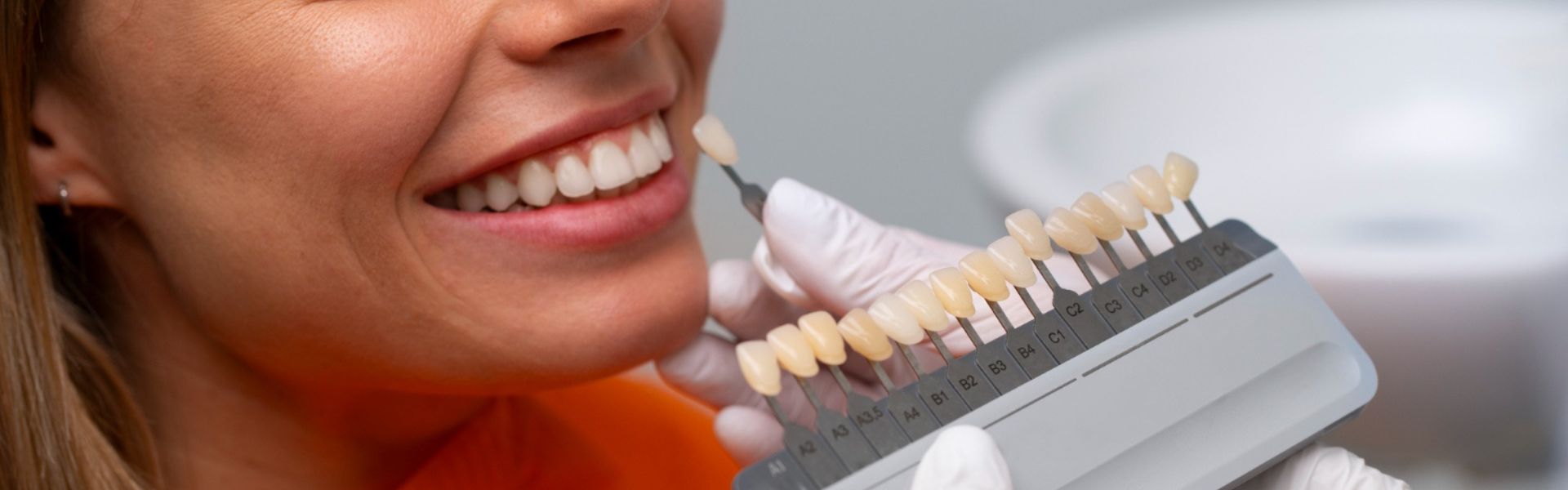
If you’re considering veneers to improve your smile, you might be wondering which option is right for you. With so many types of dental veneers available, it can be hard to choose the best one. Whether you’re looking for something durable, affordable, or minimally invasive, understanding your choices is the first step toward achieving the smile you’ve always wanted. Keep reading to explore the different types of veneers and find out which one suits your needs best.
What are the main types of dental veneers and how can understanding them help you choose the right one for your smile?
Dental veneers come in several types: porcelain, composite, and Lumineers—each offering different benefits in terms of durability, appearance, cost, and how invasive the procedure is. By learning the differences, such as porcelain’s long-lasting and stain-resistant qualities versus the affordability and quick application of composite or the minimally invasive nature of Lumineers, you can make a more informed decision based on your cosmetic goals, budget, and comfort level. Understanding these options empowers you to work with your dentist to choose the veneer that best fits your needs and ensures lasting satisfaction with your smile.
Different Types of Dental Veneers
When it comes to dental veneers, there are several types available, each with its unique benefits and drawbacks. Understanding the differences can help you make an informed decision about which option is best for your needs.
Porcelain Veneers: Pros and Cons
Porcelain veneers are the gold standard in cosmetic dentistry. Known for their natural look and durability, they are highly resistant to stains and are custom-made to fit the shape and color of your teeth. However, they are typically more expensive and require enamel removal, which makes them a more permanent option.
Pros:
- Long-lasting (10–15 years or more)
- Highly stain-resistant
- Natural appearance
- Custom-made to match the color and shape of your teeth
Cons:
- Expensive
- Requires enamel removal
- May need replacement over time
Composite Veneers: An Affordable Option
Composite veneers are a more budget-friendly option compared to porcelain. They are made of a tooth-colored resin that is directly applied to the teeth and shaped for a custom fit. While they are not as durable or stain-resistant as porcelain, composite veneers can still offer significant improvements to your smile at a lower cost.
Pros:
- More affordable than porcelain
- Can be applied in one visit
- Less enamel removal required
Cons:
- Less durable (lasts around 5–7 years)
- More prone to staining and damage
- May need frequent touch-ups or replacements
Lumineers: The Non-Invasive Solution
Lumineers are a specific brand of ultra-thin veneers that offer a non-invasive solution for improving the appearance of your teeth. They are placed without the need for enamel removal, making them a less permanent option. However, while they are thinner and require less alteration to the teeth, they may not be suitable for all cosmetic issues.
Pros:
- Minimal to no enamel removal
- Quick application
- Comfortable and natural-looking
Cons:
- Less durable than porcelain
- Not ideal for severe cosmetic issues (e.g., large gaps or misalignments)
How to Choose the Right Veneer for You
Choosing the right type of veneer depends on several factors, including your budget, the extent of cosmetic issues you want to address, and how long you want your veneers to last. If you’re looking for a long-term solution and are willing to invest in durability, porcelain veneers may be the right choice. If you’re on a budget or need a quicker, less invasive solution, composite veneers or Lumineers may be better options.
Transform your smile with the help of a skilled cosmetic dentist in Inglewood. Get in touch to explore your options today.
Benefits of Dental Veneers
Dental veneers offer a wide range of benefits, making them a popular choice for individuals looking to enhance their smile. Whether you're dealing with cosmetic issues or simply want to improve the overall appearance of your teeth, veneers can provide a solution. Below are some of the key advantages of different types of dental veneers:
- Improved Aesthetic Appearance: Veneers can correct various issues, such as discoloration, chips, cracks, or misalignment, giving you a more uniform and attractive smile. The result is a natural-looking, beautiful smile, no matter which type of veneer you choose.
- Durability and Long-Lasting Results: Depending on the type of veneer, the results can last from 5 to 15 years. Porcelain veneers are particularly durable and resistant to staining, making them a great long-term investment.
- Minimal Tooth Alteration: Some veneers, like Lumineers, require little to no enamel removal, preserving your natural tooth structure. This makes the procedure quicker, less invasive, and less painful compared to other cosmetic dental options.
- Stain Resistance: Porcelain veneers are highly resistant to stains, which means they maintain their bright, white appearance even after years of use, making them an excellent choice for those who consume stain-causing foods and drinks.
- Enhanced Self-Confidence: A beautiful smile can significantly boost your self-esteem. Many people feel more confident in both personal and professional settings after getting veneers.
Common Concerns About Veneers
While dental veneers offer numerous benefits, they also raise some common concerns. Understanding the facts can help you make an informed decision about whether veneers are the right choice for you.
How long do dental veneers last?
Veneers are designed to be durable, but their lifespan varies depending on the type. Porcelain veneers can last 10–15 years or more with proper care, while composite veneers tend to last around 5–7 years. Regular maintenance and good oral hygiene can help extend their lifespan.
If you're wondering more about their durability, you might find the question of dental veneers how long last important to consider before getting them.
Are dental veneers permanent?
Veneers are not a permanent solution, as they will eventually need replacement, especially if they get damaged or worn down over time. However, they are long-lasting when well cared for. The process is irreversible, as some enamel is removed during the placement of veneers, so it's essential to be sure before proceeding.
Can veneers be repaired if damaged?
Yes, in most cases, veneers can be repaired if they become chipped or cracked. However, the extent of the damage will determine whether a repair is possible or if a full replacement is needed. Regular checkups and proper care can minimize the chances of damage.
For tips on keeping your veneers in top condition, check out this guide on Veneers Cleaning.
Conclusion
In summary, understanding the types of dental veneers available whether porcelain, composite, or Lumineers can help you choose the best option based on your needs, budget, and long-term goals. Veneers can offer significant aesthetic improvements, but it’s essential to consider factors like durability, cost, and maintenance before making a decision. With proper care, your veneers can last for many years, enhancing your smile and boosting your confidence.
If you're ready to explore your options, consider consulting an expert who specializes in dental veneers in Culver City for personalized advice and quality results.
Need help getting started? Our California-based offices in Culver City and Inglewood are ready to assist. Reach out by filling out the consultation form or calling 310-643-6221.



0 Comments