

Ever wondered if that perfect smile comes with an expiration date? One of the most common questions people ask before getting veneers is: How long do veneers last?
Whether you're considering them for a cosmetic boost or a functional fix, understanding their lifespan and what affects it can help you make a smarter, longer-lasting decision. In this post, we’ll break down the facts you need to know before sitting in the dental chair.
How long do dental veneers typically last, and what factors affect their lifespan?
Dental veneers can last anywhere from 5 to 15 years depending on the material and how well they’re cared for. Porcelain veneers, known for their durability and stain resistance, usually last 10–15 years or longer with proper maintenance. Composite veneers are more budget-friendly but have a shorter lifespan of about 5–7 years. Daily habits such as good oral hygiene, avoiding hard or staining foods, and visiting your dentist regularly all play a critical role in extending the life of your veneers.
What Are Dental Veneers and Why People Choose Them
Dental veneers are thin shells, usually made of porcelain or composite resin, that are bonded to the front surface of teeth. They’re custom-made to match the shape, size, and color of your natural teeth, offering a fast and long-lasting way to improve your smile.
People often choose veneers to fix issues like chipped or discolored teeth, gaps between teeth, or slight misalignments. Unlike braces or crowns, veneers are a less invasive cosmetic option that can transform your smile in just a couple of visits.
Porcelain vs. Composite Veneers
Porcelain veneers are more durable, stain-resistant, and natural-looking, but they usually cost more and require enamel removal. They can last 10–15 years or longer with proper care.
Composite veneers, on the other hand, are more affordable and can often be placed in a single appointment. However, they’re more prone to staining and generally last around 5–7 years.
Common Aesthetic and Functional Benefits
Dental veneers do more than just enhance appearance. They can:
- Brighten severely discolored teeth
- Repair minor chips and cracks
- Close small gaps
- Improve the shape and length of teeth
- Boost self-confidence with a natural-looking smile
This blend of aesthetic and functional benefits is why veneers remain one of the most popular cosmetic dental treatments today.
Whether you're dealing with stains, gaps, or uneven teeth, a skilled cosmetic dentist in Inglewood can help you love your smile again.
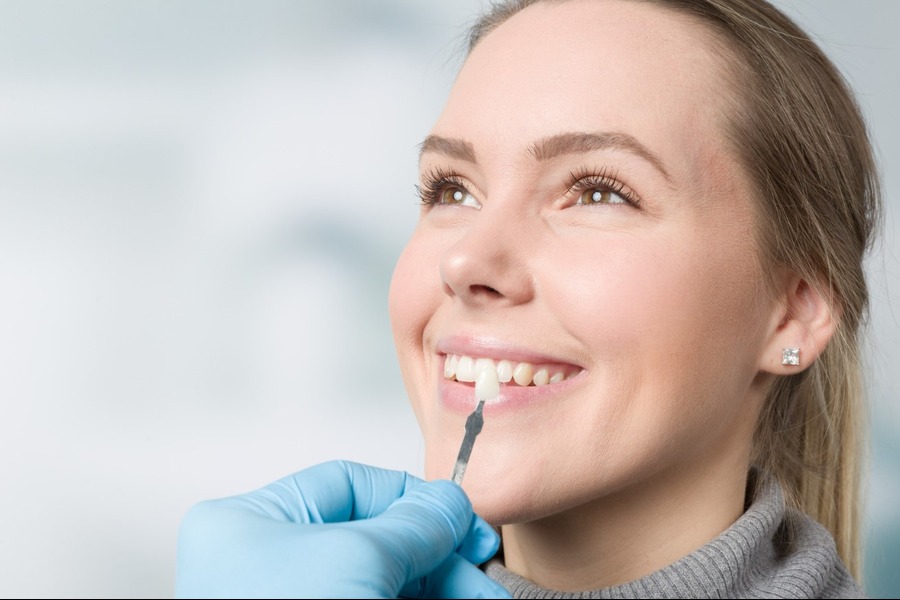
Dental Veneers: How Long Last on Average?
One of the most common questions people ask before getting veneers is: how long do veneers last? The answer depends on the type of veneer, how well you care for them, and your individual dental habits.
- Porcelain veneers typically last between 10 to 15 years, and in some cases, even longer. They’re known for their strength and resistance to stains, making them a reliable long-term option.
- Composite veneers, on the other hand, have a shorter lifespan usually 5 to 7 years. They’re more affordable upfront, but may require earlier replacement or touch-ups due to their softer material.
Of course, how long veneers last also depends on maintenance. Good oral hygiene, regular dental checkups, avoiding hard foods, and not using your teeth as tools (like biting nails or opening packages) can all help extend their life.
Considering veneers? Visit Toothopia Dental in Culver City, Inglewood, or El Segundo for expert cosmetic care and a smile that lasts.
Dental Veneers: How Long Do They Last Before Replacement?
Even though dental veneers can last for years, they’re not permanent. Eventually, you’ll need to replace them but when exactly?
While porcelain veneers often last 10–15 years and composite ones around 5–7, several factors can affect their lifespan. More importantly, there are clear signs that it might be time for a replacement:
- Visible wear or damage: Chips, cracks, or thinning edges indicate that the material is breaking down.
- Discoloration around the edges: If the bond between your veneer and tooth starts to degrade, stains may appear.
- Gum recession: When your gums pull back, veneers may no longer align properly with your gum line, affecting both appearance and hygiene.
- Loosened veneers: If a veneer starts to shift or doesn’t feel securely attached, it needs professional attention.
- Decay or damage to the underlying tooth: Veneers can’t protect your teeth from cavities or trauma. If the tooth beneath becomes compromised, the veneer must be removed and replaced.
In some cases, patients choose to replace veneers not because of damage, but to update the shape or shade as their preferences change over time. If you’re still wondering whether veneers are the right choice for you, read more here: Are veneers good for your teeth?
How to Make Your Dental Veneers Last Longer
While veneers are designed to be strong and durable, how long they last often depends on how well you take care of them. Fortunately, small daily habits can make a big difference.
Here’s how to extend the life of your dental veneers:
- Maintain excellent oral hygiene: Brush twice a day with a soft-bristled toothbrush and floss daily to prevent plaque buildup around the veneers.
- Avoid hard or sticky foods: Biting ice, opening packages with your teeth, or chewing hard candies can crack or loosen veneers.
- Limit staining agents: Porcelain resists stains better than composite, but it’s still smart to reduce coffee, tea, red wine, and smoking.
- Wear a mouthguard if you grind your teeth: Bruxism (teeth grinding) can wear down veneers over time. A custom nightguard protects both your veneers and natural teeth.
- Visit your dentist regularly: Routine checkups and cleanings help spot problems early and keep your veneers looking and functioning their best.
Good habits are key but so is technique. If you're unsure where to start, this simple guide to Veneers Cleaning can help you care for them the right way.
Conclusion: How Long Do Dental Veneers Last and What Can You Do?
Dental veneers aren’t forever but with the right care, they can last for many years while keeping your smile bright and natural-looking. Porcelain veneers tend to offer more longevity and stain resistance, while composite veneers are a faster, more affordable solution. The key to making either type last lies in proper hygiene, smart habits, and regular dental visits.
If you're thinking about getting veneers or want expert advice tailored to your needs, it’s worth speaking with a cosmetic dentist who specializes in smile design. For those in the area, finding experienced providers in dental veneers Culver City could be a great first step toward lasting results.
FAQs about How Long Do Dental Veneers Last
Are dental veneers permanent?
No, they typically last 5–15 years before needing replacement.
Can veneers fall off or become loose?
Yes, especially if exposed to force or poor care.
Do veneers require special care?
Not special, just good daily oral hygiene and regular checkups.
Need help getting started? Our California-based offices in Culver City and Inglewood are ready to assist. Reach out by filling out the consultation form or calling 310-643-6221.



0 Comments