
Blog
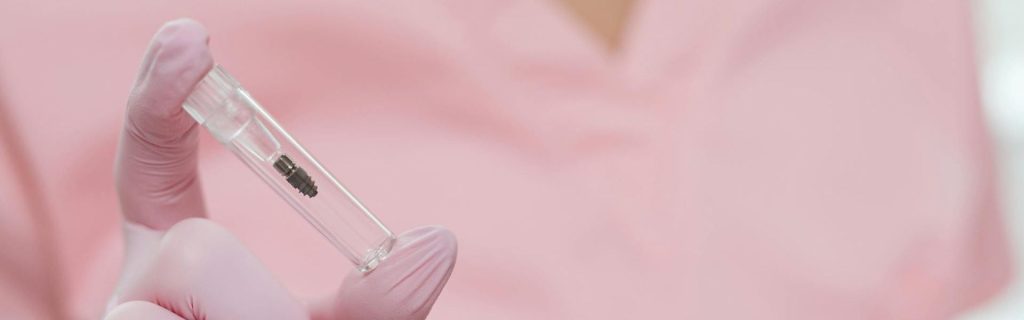
Mini dental implants have revolutionized tooth replacement by offering a quicker, less invasive, and more affordable solution compared to traditional implants.
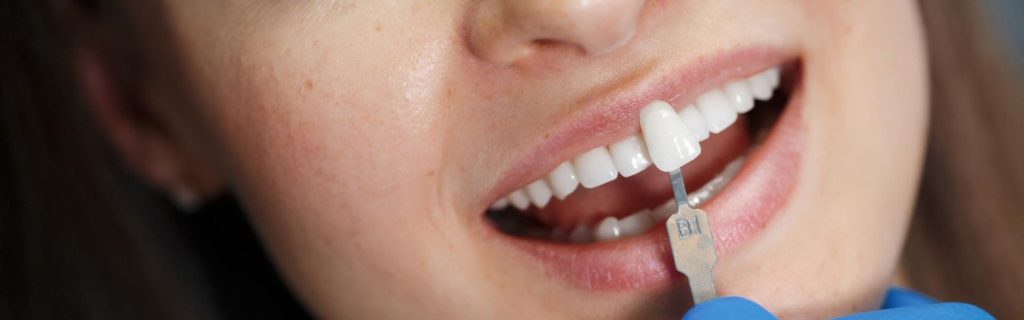
Gaps between teeth, also known as diastemas, can occur for several reasons. Genetics often play a key role, as some people naturally have extra space in their jawbone, causing teeth to spread apart.

Hormonal fluctuations throughout a woman’s life, from puberty to menopause, can significantly impact oral health. Changes in hormone levels influence gum tissue, saliva production, and the body’s response to bacteria, making women more vulnerable to conditions like gum disease and dry mouth.
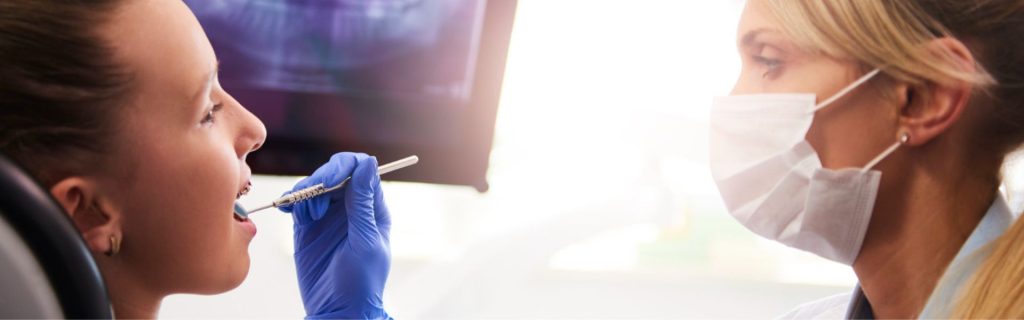
Early detection saves lives and when it comes to oral cancer, that’s especially true. Oral cancer screenings are a simple yet powerful tool that can catch signs of cancer or precancerous changes before they become serious. Whether you’re at high risk or just due for a checkup, understanding how these screenings work and when to […]
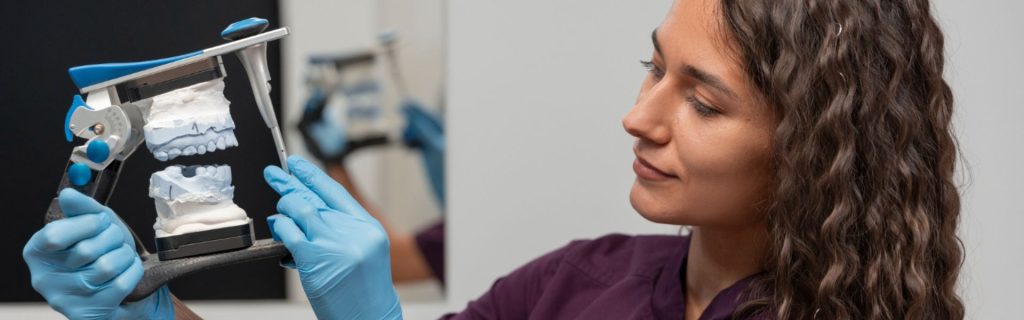
Bone loss in the jaw can limit your options for restoring a healthy smile, but thanks to bone augmentation in dentistry, many patients can now receive dental implants and other treatments that were once impossible. This procedure rebuilds and strengthens the jawbone, providing a solid foundation for long-term oral health. In this blog, we’ll explore […]

Gum disease often develops silently, but its effects can be serious if left untreated. One of the most effective ways to stop it in its tracks is through scaling and root planing gum disease treatment, a deep cleaning method that goes beyond routine dental care. In this blog, we’ll break down what this procedure involves, […]
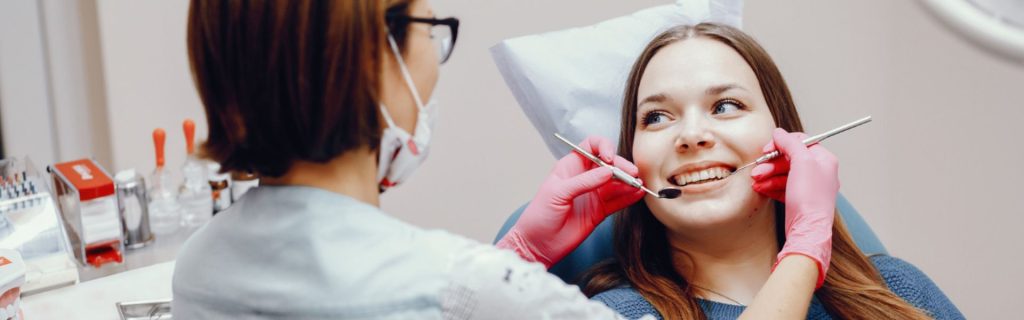
When it comes to maintaining a healthy smile, understanding the difference between periodontal maintenance vs cleaning can make all the difference. Whether you’re aiming to prevent gum disease or managing an existing condition, knowing which dental care routine fits your needs is essential. In this blog, we’ll break down these two important procedures so you […]
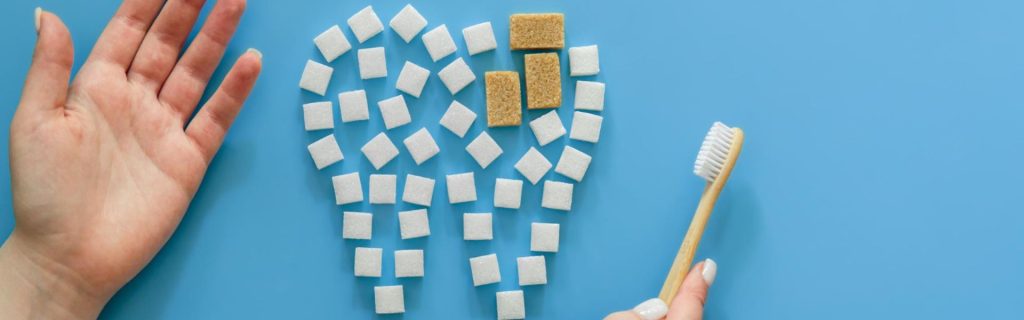
No, a cavity itself is not contagious the way a cold is. But the main bacteria that cause cavities, especially Streptococcus mutans, can pass from person to person through saliva, shared utensils, and kissing. You cannot catch a finished cavity, but you can pick up the bacteria that lead to one. Most people think of […]