

Hormonal fluctuations throughout a woman’s life, from puberty to menopause, can significantly impact oral health. Changes in hormone levels influence gum tissue, saliva production, and the body’s response to bacteria, making women more vulnerable to conditions like gum disease and dry mouth. Understanding how hormones affect women’s oral health empowers you to take proactive steps in maintaining a healthy, confident smile at every stage.
The Link Between Hormones and Oral Health
Hormonal changes have a significant impact on oral health especially in women. Fluctuations in estrogen and progesterone levels can affect the body’s response to plaque, influence gum tissue, and even change the way blood flows to the mouth. These hormonal shifts make women more susceptible to conditions like gingivitis, dry mouth, and gum inflammation during certain life stages.
From puberty to menopause, each hormonal transition can create unique challenges for maintaining oral hygiene. Understanding this connection helps women take proactive steps to protect their dental health at every age.
Hormonal Stages and Their Oral Effects
Throughout a woman’s life, hormonal shifts influence not just the body but also the mouth. From adolescence to menopause, changing levels of estrogen and progesterone affect gum health, saliva production, and the body’s inflammatory response. Knowing how each life stage impacts oral health can help women recognize early symptoms and maintain a healthier smile.
Puberty: Swollen Gums and Bleeding
During puberty, the surge in estrogen and progesterone increases blood flow to the gums, making them more sensitive to plaque and bacteria. This can lead to red, swollen, or bleeding gums even with good oral hygiene. Teens may notice that their gums bleed more easily while brushing or flossing, a condition known as puberty gingivitis. It's important to maintain consistent dental care during this time and seek professional help if symptoms persist. If left untreated, this inflammation can progress into more serious issues, such as periodontal disease. Learn more about our Gum Disease Treatment options to address these early signs effectively.
Menstruation: Temporary Gum Sensitivity
Some women experience mild but noticeable changes in their oral health around their menstrual cycle. Hormonal fluctuations can cause temporary gum swelling, soreness, or bleeding, particularly just before menstruation begins. In rare cases, some may also develop canker sores or experience dry mouth. These symptoms typically resolve on their own once hormone levels stabilize, but they can be frustrating. Practicing gentle oral hygiene and avoiding irritants like acidic or spicy foods during this period can help reduce discomfort.

Pregnancy: Gingivitis and Increased Risk of Decay
Pregnancy brings significant hormonal shifts, particularly in progesterone, which can lead to an exaggerated response to plaque. This often results in pregnancy gingivitis characterized by red, swollen, or bleeding gums. Additionally, morning sickness and dietary changes can increase the risk of enamel erosion and tooth decay. Pregnant women may also experience benign growths on the gums called "pregnancy tumors," which, while not dangerous, can be uncomfortable. Staying on top of oral hygiene and scheduling regular checkups is essential during pregnancy. Visit our guide on How to Protect Your Teeth During Pregnancy for more tips on maintaining oral health during this important time.
Menopause: Dry Mouth and Bone Loss
As women enter menopause, a decline in estrogen levels can lead to several oral health issues, most notably dry mouth (xerostomia). Reduced saliva flow increases the risk of cavities, gum disease, and oral infections. Additionally, hormonal changes can contribute to a loss of bone density including the jawbone which may affect tooth stability and increase the risk of tooth loss. Some women also report a burning sensation in the mouth or altered taste perception. To combat these effects, it's important to stay hydrated, use saliva substitutes if necessary, and consult with your dentist about strategies to protect your bone and gum health as you age.
Tips for Protecting Oral Health at Every Stage
Because the connection between hormones and women’s oral health is so strong, it’s important to adopt habits that support gum and tooth health through every phase of life. Here are a few essential strategies to help you stay ahead of hormonal shifts and their effects.
Maintain Consistent Oral Hygiene
Brushing twice a day with fluoride toothpaste and flossing daily is your first line of defense against hormone-related gum issues. When hormones increase inflammation in the gums as they often do during puberty, menstruation, or pregnancy keeping the mouth clean becomes even more critical. Don’t skip your routine, even when gums feel sore or sensitive. Use a soft-bristled toothbrush and consider incorporating an antibacterial mouthwash to reduce plaque buildup and prevent irritation.
Visit Your Dentist Regularly
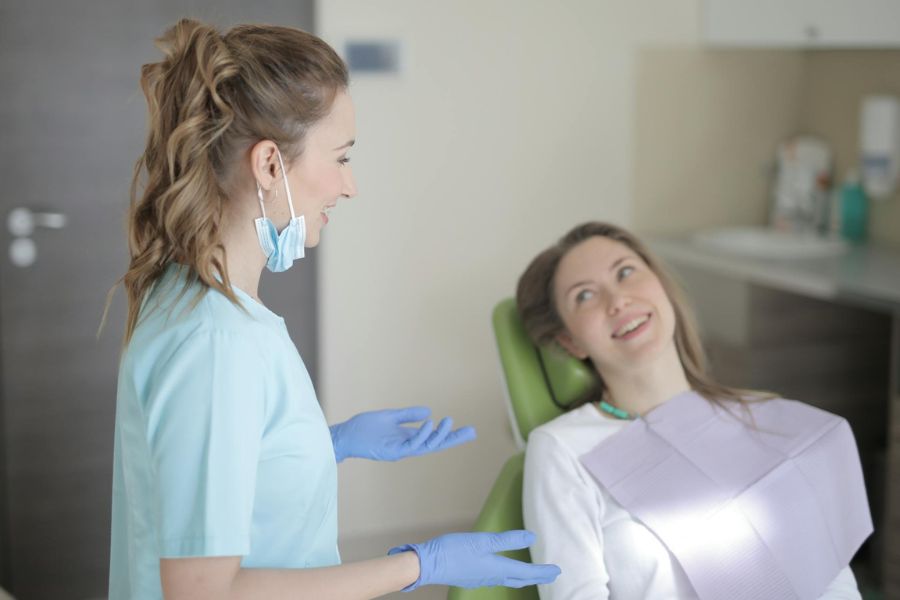
Routine dental checkups are essential for catching early signs of hormonal effects on the gums and teeth. Your dentist can spot changes like inflammation, bone loss, or early decay before they become serious. Women should be especially proactive about dental visits during major hormonal shifts such as pregnancy or menopause when oral tissues are more vulnerable. Scheduling professional cleanings every 6 months helps reduce your risk of gum disease and ensures any issues are addressed promptly.
Consider Hormone-Specific Dental Care
Women experiencing strong hormonal changes may benefit from personalized dental strategies. For example, teens going through puberty may need extra cleanings, while pregnant women might require more frequent checkups to manage pregnancy gingivitis. Post-menopausal women facing dry mouth or bone loss might benefit from saliva substitutes or bone-strengthening treatments. Discuss your hormonal stage openly with your dentist so they can tailor your care plan to your needs and support your long-term oral health.
Final Thoughts: Prioritize Your Oral Wellness
Understanding the connection between hormones and women’s oral health is key to maintaining a healthy smile throughout life’s changes. By staying proactive with oral hygiene, regular dental visits, and personalized care, women can effectively manage the unique challenges that come with hormonal fluctuations. Prioritizing your oral wellness helps prevent common issues and supports overall health.
For expert guidance and comprehensive support, explore our preventive dentistry in Culver City to keep your smile strong at every stage.
FAQ
Why do gums bleed more during pregnancy?
Hormonal changes increase blood flow and sensitivity in the gums, making them more prone to inflammation and bleeding.
Can menopause lead to tooth loss?
Yes, decreased estrogen can cause bone loss in the jaw, increasing the risk of tooth loss.
Are women more prone to gum disease?
Hormonal fluctuations can make women more susceptible to gum disease at certain life stages.
Need help getting started? Our California-based offices in Culver City and Inglewood are ready to assist. Reach out by filling out the consultation form or calling 310-643-6221.



0 Comments