
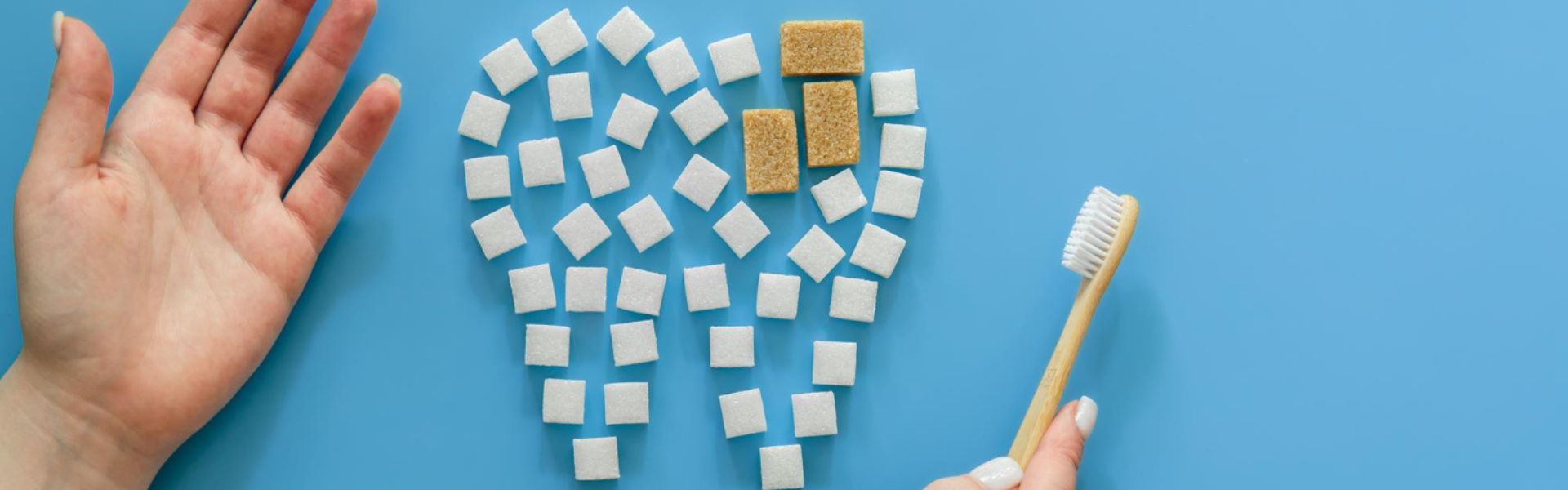
No, a cavity itself is not contagious the way a cold is. But the main bacteria that cause cavities, especially Streptococcus mutans, can pass from person to person through saliva, shared utensils, and kissing. You cannot catch a finished cavity, but you can pick up the bacteria that lead to one.
Most people think of cavities as a personal dental issue caused by sugar and poor brushing. But what if we told you that the bacteria responsible for tooth decay can actually be passed from one person to another? The question “Are tooth cavities contagious?” isn't just a myth; it’s a valid concern backed by science. In this article, we’ll explore how cavities form, whether they can really spread, and what practical steps you can take to protect your family’s oral health. If you’ve never thought of cavities as something you could “catch,” it’s time to take a closer look.
What Causes Cavities?
Cavities, also known as dental caries, are the result of a complex process involving bacteria, food particles, and the body's response. Here's a breakdown of the most common causes:
- Bacterial activity: The primary cause of cavities is the presence of harmful bacteria in mouth, particularly Streptococcus mutans, which feed on sugars and produce acids that erode tooth enamel.
- Frequent sugar consumption: Eating sugary foods and drinks especially sticky or acidic ones provides constant fuel for cavity-causing bacteria.
- Poor oral hygiene: Inadequate brushing and flossing allow plaque to build up, creating an environment where bacteria thrive.
- Dry mouth (xerostomia): A lack of saliva reduces the mouth’s ability to neutralize acids and wash away food particles, increasing cavity risk.
- Deep tooth grooves and fissures: Some teeth naturally have deep grooves that are harder to clean, making them more prone to decay.
- Worn dental work or misaligned teeth: Crowns, fillings, or crooked teeth can create hard-to-clean areas where bacteria accumulate.
- Low fluoride exposure: Fluoride helps strengthen enamel and protect against acid attacks. Without it, teeth are more vulnerable to decay.
- Gastroesophageal reflux (GERD): Stomach acid can reach the mouth and contribute to enamel erosion over time.
Can Cavities Actually Spread Between People?
It might come as a surprise, but yes, cavities can, in a sense, be “spread” from one person to another. While cavities themselves aren’t contagious like the flu, the bacteria that cause them can be transmitted through close contact. According to the American Dental Association, the bacteria that drive tooth decay can be passed between people, which is why decay is sometimes described as a transmissible bacterial condition rather than a purely personal one. Here’s how it works:
- Bacterial transmission: The primary bacteria responsible for cavities, such as Streptococcus mutans, can be passed from one person to another through saliva. This means kissing, sharing utensils, or even blowing on a child’s food can transfer harmful bacteria.
- Family and caregivers: Young children often acquire cavity-causing bacteria from parents or caregivers early in life. This is why early oral hygiene habits and parental awareness are so important.
- Shared environments: In households or settings where oral hygiene is poor, the bacterial load in the environment can increase, making it easier for bacteria to spread among individuals.
So, are tooth cavities contagious? Technically, the answer is yes because the bacteria that cause them can be passed from person to person. However, actual cavity development still depends on diet, hygiene, and individual susceptibility.
If you’re searching for high-quality family dentistry in Culver City that fits your schedule and your lifestyle, we’re here to help. Reach out now to learn more.
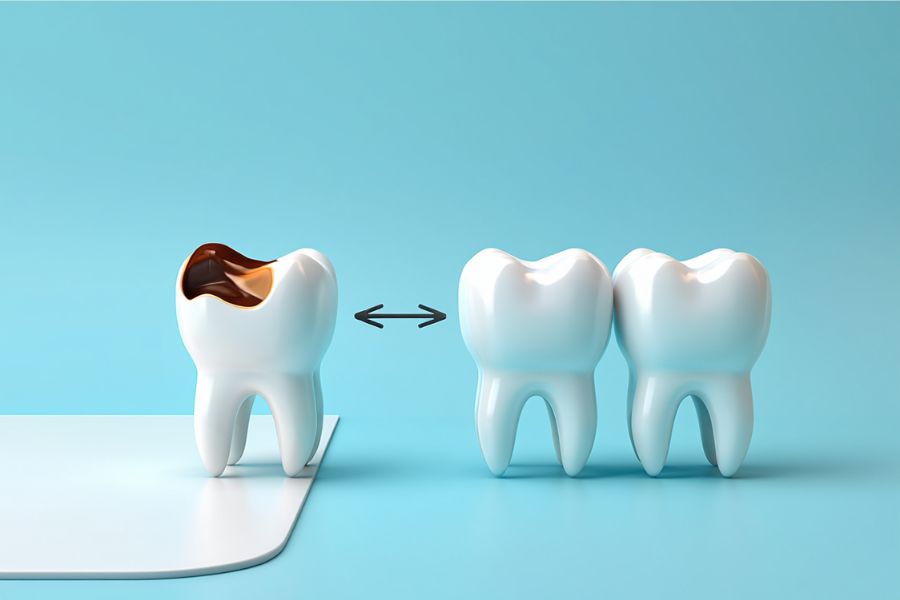
Can Cavities Spread From Tooth to Tooth?
A cavity does not jump from one tooth to the next like an infection, but the bacteria, acids, and dietary sugars that caused it are present throughout your mouth, so neighboring teeth face the same risk. Decay that forms where two teeth touch (the contact point) can affect the tooth next to it as well. This is why treating an existing cavity is only half the job: tightening your daily hygiene routine and cutting back on sugar protects every tooth, not just the one being filled.
Risk Factors That Increase Transmission
Certain behaviors and conditions can raise the likelihood of cavity transmission from one person to another. These factors make it easier for harmful oral bacteria to spread and take hold in another person’s mouth:
- Sharing utensils or toothbrushes: Using the same spoon, fork, or toothbrush as someone else can directly transfer bacteria.
- Kissing or close mouth-to-mouth contact: Saliva exchange during kissing is one of the most common ways cavity-causing bacteria are passed between adults or from adults to children.
- Blowing on food or pre-chewing: When a parent cools or tastes a child’s food with their mouth, they may unknowingly introduce bacteria.
- Poor oral hygiene: People with high levels of plaque and bacteria are more likely to transmit those bacteria to others.
- High sugar diets: A diet rich in sugar helps bacteria grow, increasing the bacterial load that can be spread to others.
- Low saliva production: Individuals with dry mouth (due to medications or medical conditions) have a reduced ability to fight off incoming bacteria.
- Young age or developing immune system: Infants and toddlers are especially vulnerable since their oral microbiome is still developing and more easily influenced.
When Are Children Most Likely to “Catch” Cavity Bacteria?
Dental research describes a “window of infectivity,” a period in early childhood when a child’s mouth is most likely to be colonized by cavity-causing bacteria for the first time. Studies place the main window at roughly 19 to 31 months of age (about one and a half to two and a half years old), with a second window around ages 6 to 12 as the permanent teeth come in. Because children most often pick up these bacteria from a parent or caregiver, this early window is when habits like avoiding shared spoons, not cleaning a pacifier with your own mouth, and keeping your own mouth healthy during pregnancy and infancy matter most.
Are Cavities Genetic or Contagious?
Both play a role. The bacteria that cause cavities are transmissible, so in that sense decay has a contagious element. At the same time, inherited traits such as enamel strength, saliva flow and composition, and the depth of the grooves in your teeth can make some people more prone to decay than others. Put simply, genetics can load the dice, but diet, hygiene, and the bacteria you are exposed to still decide whether a cavity actually forms.
How to Prevent Spreading Cavities
Preventing the spread of cavity-causing bacteria is just as important as maintaining your own oral health. Simple habits and hygiene practices can go a long way:
- Avoid sharing personal items: Don’t share toothbrushes, utensils, straws, or anything that comes into contact with saliva.
- Practice good oral hygiene: Brush twice a day, floss daily, and use antibacterial mouthwash to reduce the bacteria in your mouth.
- Limit sugary foods and drinks: Cutting down on sugar helps control bacterial growth and lowers the risk of cavities for both you and those around you.
- Visit the dentist regularly: Professional cleanings and checkups help catch and manage early signs of decay and keep bacteria levels in check.
- Protect infants and children: Avoid kissing babies on the lips or testing their food with the same utensil. Encourage brushing as soon as teeth appear.
- Use fluoride products: Fluoride toothpaste and treatments help strengthen enamel and resist acid attacks caused by bacteria.
- Treat dry mouth: Stay hydrated, and if needed, use products designed to increase saliva flow, which helps cleanse the mouth naturally.
Dental Hygiene Tips for Families
Building healthy habits as a family not only improves everyone’s dental health but also helps reduce the chances of spreading cavity-causing bacteria. Here are some practical and effective oral hygiene tips for households:
- Brush together: Make toothbrushing a family activity, especially with young children. It helps build routine and ensures proper technique.
- Replace toothbrushes regularly: Every 3–4 months or sooner if bristles are frayed. Never share toothbrushes between family members.
- Create a dental routine: Brushing twice a day, flossing daily, and using mouthwash should be part of everyone’s daily routine.
- Monitor snacks and drinks: Keep sugary snacks and drinks to a minimum, and opt for water or milk over juices and sodas.
- Schedule regular dental checkups: Visiting the dentist every six months helps identify issues early and reinforces good habits.
- Lead by example: Parents should model consistent dental care. Kids are more likely to follow good habits when they see them practiced.
- Educate children early: Use kid-friendly videos or books to teach children about teeth, cavities, and why brushing matters.
- Reward consistency: Use charts or simple rewards to encourage kids to brush and floss regularly.
When to See a Dentist
While good oral hygiene can go a long way in preventing cavities, it's important to know when professional care is necessary. Prompt dental visits can prevent minor issues from turning into serious problems. You should see a dentist if:
- You notice tooth sensitivity or pain: These can be early signs of decay, even if no visible cavity is present.
- You see discoloration or pits: Dark spots, holes, or changes in tooth color may indicate decay that needs professional attention.
- You experience bad breath or a bad taste: Persistent odor or taste can signal bacterial buildup or infection.
- Your child hasn’t seen a dentist in over 6 months: Regular checkups are key for preventing and catching cavities early, especially in children.
- You have a history of frequent cavities: More frequent dental visits may be needed to manage recurring issues.
At Toothopia Dental, we’re proud to offer advanced Cavity Removal Without Anesthetics a comfortable and minimally invasive solution designed to treat cavities efficiently, especially for patients who prefer a gentler approach to dental care.
Final Thoughts: Cavity Prevention Starts with Awareness
Understanding how cavities form and how they can potentially spread empowers you to take proactive steps to protect your oral health and that of your family. So, are tooth cavities contagious? Research confirms that the bacteria behind them can indeed be transmitted between people, which makes cavity prevention a family matter, not just a personal one.
By maintaining strong daily hygiene habits, limiting sugar intake, and avoiding behaviors that spread oral bacteria, you’re already on the right track. Prevention truly begins with awareness and consistent care.
At Toothopia Dental, we believe that long-term oral health is built on prevention. Our expert team offers advanced Preventative Dentistry in Culver City, from cleanings and exams to personalized guidance on keeping your smile healthy. Call us today to schedule a consultation and let’s protect your smile, together.
FAQs
Are cavities contagious between people?
Yes, cavity-causing bacteria like Streptococcus mutans can be transmitted through saliva, making cavities indirectly contagious, especially among close contacts.
Can a mother give her child cavities?
Yes, mothers can pass cavity-causing bacteria to their babies through kissing, sharing utensils, or cleaning pacifiers with their mouth.
Is it safe to kiss someone with a cavity?
While kissing doesn’t cause cavities directly, it can transfer bacteria that contribute to tooth decay if your own oral hygiene is poor.
Can cavities spread from one tooth to another?
Not directly. A cavity does not travel from tooth to tooth like an infection, but the same bacteria and sugars affect every tooth, and decay at a contact point between two teeth can involve both. Good hygiene protects the whole mouth.
At what age are children most likely to catch cavity bacteria?
Research points to a main “window of infectivity” at roughly 19 to 31 months of age, with a second window around ages 6 to 12 as permanent teeth erupt. Careful habits from a parent or caregiver during these windows make a real difference.
Are cavities genetic or contagious?
Both. The bacteria that cause cavities are transmissible, while inherited traits like enamel strength and saliva composition affect how prone you are. Diet and hygiene still decide whether a cavity forms.
Need help getting started? Our California-based offices in Culver City and Inglewood are ready to assist. Reach out by filling out the consultation form or calling 310-643-6221.



0 Comments