

A loose tooth in adulthood can be concerning. Unlike baby teeth, which naturally fall out, adult teeth are permanent, so any movement can indicate underlying problems such as gum disease, trauma, tooth decay, or bone loss. Recognizing the signs and knowing how to respond can prevent more serious issues and help maintain a healthy, functional smile.
What is a loose tooth?
A loose tooth has lost its stability and moves more than normal. While children naturally lose teeth, adult teeth should remain firmly in place.
A loose grown-up tooth may signal gum problems, injury, or structural issues in the bone that supports the tooth. Even minor movements should not be ignored, as they can lead to pain, infection, or permanent tooth loss over time. If your front tooth wiggles slightly while eating or brushing, this is an early sign that professional care is needed.
Understanding the cause of the looseness is essential because it influences the treatment. A tooth loosened by trauma may be stabilized differently from one affected by gum disease.
Common causes of a loose tooth
Adult teeth can become loose for several reasons:
- Gum disease (Gingivitis or Periodontitis): Gum disease weakens the tissues and bone that support teeth. Advanced stages can cause teeth to become mobile even without noticeable pain. Left untreated, it may lead to multiple tooth loss and other systemic health issues like heart disease or diabetes complications.
- Trauma or injury: Accidents, sports injuries, or biting hard foods can loosen teeth. Even if the tooth itself isn’t cracked, trauma may damage the supporting ligaments or bone. Protective gear, like mouthguards, during sports can reduce risk.
- Teeth grinding (Bruxism): Constant grinding or clenching puts pressure on teeth and can gradually loosen them. This is often worse at night, and a night guard can prevent further damage.
- Tooth decay: Deep cavities weaken the tooth structure, making it more prone to mobility. Timely fillings or restorations can prevent progression.
- Bone loss: Conditions like osteoporosis or age-related bone loss reduce jawbone density, affecting tooth stability. Proper nutrition, calcium and vitamin D intake, and regular dental checkups are essential for prevention.
Early detection is key. Regular checkups and preventive dentistry in Culver City can identify issues like gum disease before teeth become loose.
Need help getting started? Our California-based offices in Culver City and Inglewood are ready to assist. Reach out by filling out the consultation form or calling 310-643-6221.
What are the symptoms of a loose tooth?
Signs of tooth mobility include:
- The tooth moves when lightly touched.
- Pain while chewing or biting
- Swollen or bleeding gums
- Gums are pulling away from the tooth.
- Sensitivity to hot or cold foods
It’s important to pay attention even to minor symptoms. Sometimes a tooth may feel slightly different when biting down, or the surrounding gum may be tender. Ignoring these signs can allow the problem to worsen. Contacting an emergency dentist in Culver City at the first signs of looseness can prevent infection or permanent tooth loss.
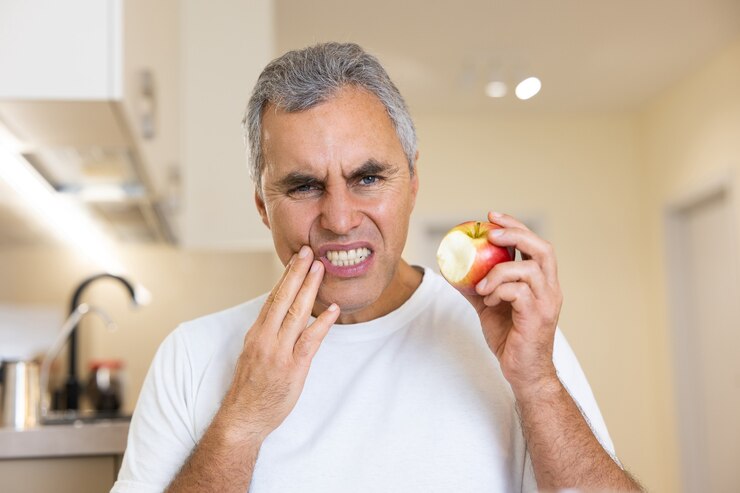
How do dentists diagnose loose teeth?
Dentists use several methods to evaluate loose teeth:
- X-rays to examine bone and tooth support
- Mobility tests to measure how much the tooth moves
- Gum assessments to detect inflammation or plaque
In addition to these tests, dentists may ask about your medical history, lifestyle, and oral hygiene practices. These insights help determine whether the issue is temporary or requires long-term intervention. In cases where the tooth cannot be saved, tooth extractions in Inglewood may be recommended.
Stages of a loose tooth in adults
Loose teeth in adults often progress through stages:
- Slight mobility: Minor movement, often only noticeable to a dentist
- Moderate mobility: Tooth moves when touched and may cause mild discomfort
- Severe mobility: The tooth is at risk of falling out and requires urgent care
In some cases, early-stage loose teeth may also be accompanied by minor bumps or lesions on the gums, such as blood blisters in the mouth, which should be monitored by a dentist. Severe cases often require advanced restorative procedures. Restorative dentistry in Culver City can help save teeth that might otherwise be lost.
Loose tooth pain: Causes and remedies
Pain can occur due to:
- Gum inflammation or infection
- Pressure from neighboring teeth
- Tooth decay reaches the nerve.
Temporary relief includes rinsing with warm salt water and eating soft foods. Applying a cold compress to the cheek can reduce swelling, and over-the-counter anti-inflammatory medication can help. However, persistent or worsening pain always requires professional evaluation. Dentists can recommend treatments that address the root cause, such as deep cleaning, antibiotics, or splinting.
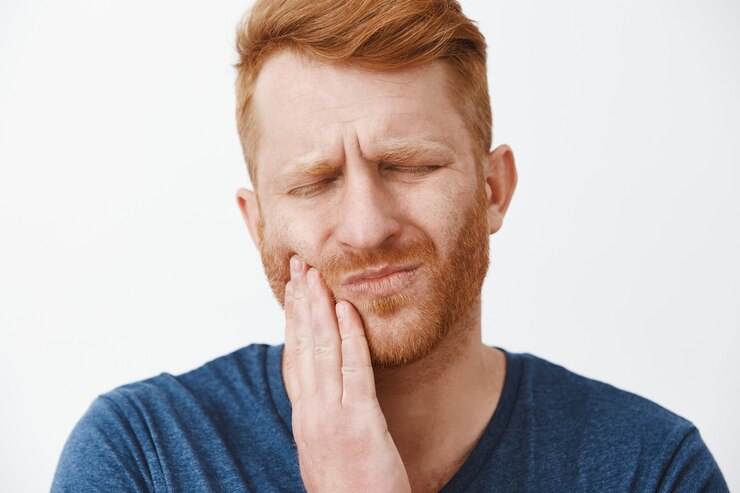
Tooth is loose but still attached: Causes and solutions
Sometimes a tooth is loose but still attached. Common causes include:
- Gum disease
- Trauma
- Damage to supporting tissue or bone
Solutions include:
- Deep cleaning to remove plaque and tartar
- Splinting the tooth to stabilize it temporarily
- Bone or gum grafts if significant tissue loss has occurred
Trying to push or pull the tooth at home can lead to permanent damage or infection. Consulting a dentist early improves the chances of preserving the tooth and maintaining healthy surrounding teeth.
How to get a loose tooth out?
For adults, attempting to remove a loose tooth at home is risky. Dentists perform tooth extractions safely using sterile techniques. After extraction, dentists discuss restorative options, such as bridges, implants, or partial dentures, to restore function and aesthetics.
How to tighten a loose tooth at home?
Home remedies can relieve discomfort, but they cannot permanently stabilize a tooth:
- Rinse with warm salt water to reduce inflammation.
- Eat soft foods to avoid pressure.
- Avoid wiggling the tooth.
Long-term stabilization often requires professional treatment. Consulting a dentist for preventative dentistry can help detect issues like gum disease early, reducing the risk of further loosening.
My front tooth is loose: What can I do?
Front teeth play a major role in appearance, speech, and confidence.
- Avoid biting hard foods or using your teeth as tools.
- Maintain gentle oral hygiene.
- Seek immediate attention if pain or sudden movement occurs.
Prompt professional care can prevent worsening of the problem, preserve your smile, and guide you on whether treatments like splinting, gum therapy, or cosmetic restoration are needed.

How long does it take for a loose tooth to fall out?
In adults, a loose tooth may take weeks or months to fall out. The timing depends on the underlying cause and severity. Leaving a loose tooth untreated increases the risk of infection, gum disease progression, and bone loss. Early intervention helps preserve the tooth and neighboring teeth.
Can a loose tooth be saved?
Many loose permanent teeth can be preserved with proper care. Options include:
- Deep cleaning and root planing for gum disease
- Splinting to stabilize the tooth
- Bone grafts or gum therapy, if necessary
Prompt care increases the likelihood of saving the tooth and maintaining full dental function.
What not to do with a loose tooth?
When dealing with a loose tooth, it’s important to handle it carefully. Doing the wrong things can make the problem worse, cause pain, or even lead to permanent tooth loss. Here are key things you should avoid:
- Don’t force or pull the tooth: Trying to wiggle or pull out a loose tooth at home, especially in adults, can damage surrounding gums, ligaments, and bone. Unlike children losing baby teeth, adult teeth are permanent, and forceful removal can lead to infection or serious complications.
- Don’t ignore the problem: Even if the tooth is only slightly loose and not painful, ignoring it can allow underlying issues like gum disease or decay to progress. Early dental treatment is crucial for saving the tooth.
- Don’t use the tooth for biting hard foods: Avoid chewing hard foods, ice, or nuts with the affected tooth. Excessive pressure can worsen the looseness, damage the tooth structure, or cause pain.
- Don’t neglect oral hygiene: Poor oral hygiene can accelerate gum disease and worsen the looseness. Brush gently and floss carefully around the area, but never skip cleaning the tooth altogether.
- Don’t self-medicate without guidance: Over-the-counter painkillers can help temporarily, but they don’t address the root cause. Avoid using home remedies that apply pressure, like tying threads around the tooth to pull it out; these can be dangerous.
- Don’t delay seeing a dentist: Waiting too long to see a professional can turn a treatable problem into a severe one. If your tooth is loose, scheduling a visit with a qualified dentist ensures proper diagnosis and treatment, such as splinting, gum therapy, or restorative care.
Key Takeaway: Treat a loose tooth with care, maintain gentle oral hygiene, and seek professional evaluation. Avoiding these common mistakes can protect your teeth and gums, reduce pain, and increase the chance of saving the tooth.
Can I prevent loose teeth?
Prevention is always better than treatment. Tips include:
- Brushing and flossing regularly
- Attending routine dental checkups
- Using night guards for teeth grinding
- Eating a balanced diet with adequate calcium and vitamin D
Preventive dentistry allows for early detection of dental and gum problems, helping prevent loose teeth before they become serious.
When to see a dentist for a loose tooth?
Seek professional care immediately if:
- The tooth is extremely loose or painful
- Gums are swollen, bleeding, or receding
- Difficulty chewing, speaking, or maintaining oral hygiene
Early consultation provides the best chance to save the tooth, prevent complications, and maintain oral health.
Conclusion
Experiencing a loose tooth in adulthood can be stressful, but timely care makes a significant difference. Paying attention to early warning signs, maintaining good oral hygiene, and seeking professional evaluation can prevent complications and preserve your teeth. With proper treatment and ongoing care, even teeth that initially seem fragile can remain healthy and functional, supporting your smile for years to come.
Need help getting started? Our California-based offices in Culver City and Inglewood are ready to assist. Reach out by filling out the consultation form or calling 310-643-6221.
FAQs
Will a loose tooth tighten back up?
Whether a loose tooth will tighten back up depends on the cause. If the looseness is due to minor trauma or inflammation, it may stabilize with proper care. However, if it’s caused by gum disease, bone loss, or severe damage, professional treatment is usually necessary to prevent further complications.
Will a wobbly tooth eventually fall out?
A wobbly tooth may eventually fall out, but it depends on the underlying cause. In children, it’s usually a natural part of losing baby teeth. In adults, a loose tooth caused by gum disease, trauma, or decay should be evaluated by a dentist to prevent complications and determine if treatment is needed.
Is it normal for a tooth to wiggle a little?
A slight wiggle in a tooth can sometimes be normal, especially for children losing baby teeth. In adults, however, even minor movement may indicate gum disease, injury, or other dental issues, so it’s best to have it checked by a dentist.
At what age do most adults lose their teeth?
Most adults do not naturally lose their permanent teeth at a specific age. Tooth loss in adulthood usually occurs due to gum disease, decay, trauma, or other dental health issues, rather than age alone. Maintaining good oral hygiene and regular dental visits can help preserve teeth for a lifetime.
Can salt water tighten loose teeth?
Rinsing with salt water can help reduce inflammation and kill bacteria around a loose tooth, which may improve gum health. However, it does not physically tighten the tooth itself. Professional dental care is necessary to address the underlying cause of looseness.
Is a loose permanent tooth a dental emergency?
A loose permanent tooth can be a dental emergency, especially if it is caused by trauma, severe pain, or infection. Prompt evaluation by a dentist is important to prevent further damage and to determine the appropriate treatment to save the tooth.



0 Comments