

Early detection saves lives and when it comes to oral cancer, that’s especially true. Oral cancer screenings are a simple yet powerful tool that can catch signs of cancer or precancerous changes before they become serious. Whether you're at high risk or just due for a checkup, understanding how these screenings work and when to get them can make all the difference. In this guide, we’ll walk you through everything you need to know about the screening process, who needs it, and what happens if anything unusual is found.
What Is Oral Cancer Screening and How Does It Work?
Oral cancer screening is a preventive procedure used to detect early signs of cancer or precancerous conditions in the mouth. It’s typically performed by dentists or oral health professionals during routine checkups. The goal is to identify abnormalities at an early, more treatable stage before they progress into more serious or life-threatening conditions.
The screening process is quick, painless, and non-invasive. It usually starts with a visual examination of your lips, tongue, gums, cheeks, the roof and floor of your mouth, and throat. The dentist looks for red or white patches, sores that don’t heal, lumps, or any unusual tissue changes. In some cases, additional tools such as special lights, dyes, or brush biopsies may be used to enhance detection. If anything suspicious is found, the patient may be referred to a specialist for further evaluation or biopsy. Regular screenings can be a critical step in catching oral cancer early, often before any symptoms appear.
When Should You Get Screened for Oral Cancer?
Experts generally recommend that adults get screened for oral cancer at least once a year, especially if they are over 40 or have risk factors. These include smoking, heavy alcohol use, HPV infection, a family history of cancer, or excessive sun exposure to the lips. If you fall into one of these categories, your dentist may advise more frequent checkups.
That said, oral cancer screenings are often included in routine dental exams so if you’re seeing your dentist twice a year, you may already be getting screened without realizing it. Still, if you notice persistent mouth sores, difficulty swallowing, or unexplained bleeding, don't wait for your next appointment. Early detection dramatically increases the chances of successful treatment, so timely screening is not just recommended it’s essential.
Our approach to family dentistry in Culver City puts your loved ones first, offering gentle treatments in a friendly and supportive atmosphere. Book an appointment today.
Can Dentists Really Detect Oral Cancer?
Yes, trained dentists are highly capable of identifying early warning signs of oral cancer. While they may not diagnose cancer definitively, they are often the first to spot abnormal tissue changes that warrant further investigation. Their education includes detailed training in oral pathology, which equips them to distinguish between normal variations and potentially dangerous lesions.
Dentists use both their clinical expertise and diagnostic tools to detect possible signs. They may palpate your neck and jaw for lumps, examine the mobility of your tongue, and look for unusual discoloration or tissue texture changes. In many documented cases, dentists have detected early-stage oral cancers that patients were unaware of, leading to life-saving treatment. Their role is crucial in the early identification and referral process, making regular dental visits an important line of defense against oral cancer.
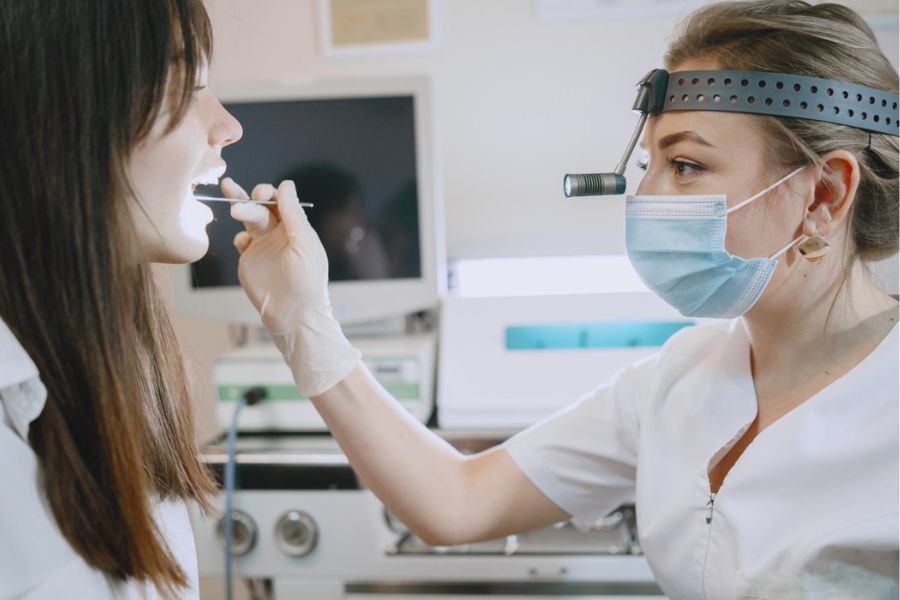
How the Oral Cancer Screening Is Performed
Oral cancer screenings are quick, non-invasive procedures designed to catch warning signs early, often before symptoms appear. Whether it’s part of a routine dental checkup or a specific visit, understanding how the screening works can help reduce anxiety and encourage more people to take this vital step in preventive care.
Here’s how the process typically unfolds:
- Visual Inspection: The dentist begins by examining your face, neck, lips, and inside of the mouth including gums, cheeks, tongue, the floor and roof of the mouth for any discoloration, sores, patches, or abnormalities.
- Physical Palpation: Using gloved hands, they gently feel for lumps or firm tissues by pressing around the jaw, under the chin, and along the sides of the neck. This helps detect any swelling or masses not visible to the eye.
- Tongue and Throat Check: You may be asked to stick out your tongue and move it from side to side. The dentist checks the sides and underside of the tongue as well as the back of your throat for any irregularities, including whether the structure at the base of the tongue looks like a normal epiglottis vs. epiglottitis, so any inflamed or unusual tissue can be flagged for further evaluation.
- Use of Special Tools (if needed): In some cases, a special light or dye is used to highlight abnormal cells. For example, a fluorescence light may help differentiate between healthy and suspicious tissues.
- Follow-Up and Referral (if needed): If anything unusual is found, the dentist will explain the concern and may refer you to an oral surgeon or specialist for a biopsy or more detailed tests. This step is precautionary and doesn’t mean cancer is present.
Understanding Your Screening Results and What Comes Next
Oral cancer screenings are just the first step in protecting your long-term health. Once the exam is complete, your dentist will explain their findings. Most patients walk away with peace of mind but if anything unusual is noticed, it’s important to understand what that means and what to expect next. Here’s a breakdown of common scenarios and how to navigate them.
What If Something Suspicious Is Found?
If your dentist finds something that looks abnormal, like a sore that hasn’t healed, a discolored patch, or a lump, they’ll flag it as suspicious. This doesn’t necessarily mean you have cancer. Many oral lesions turn out to be benign or caused by irritation, infection, or trauma, and a dark spot that appears overnight after biting your cheek is usually nothing more than trapped blood under the surface. However, dentists take a cautious approach and may recommend further evaluation to rule out serious conditions. In some cases, untreated infections can become dangerous if ignored, which is why understanding how long until a tooth infection kills you can help patients recognize the importance of timely dental care.
You might be asked to return in a few weeks for a follow-up or be referred directly to a specialist. Early attention allows for faster action if needed, improving your chances of successful treatment.
How Long Do Results Typically Take?
If your dentist conducts a basic visual and physical screening, you'll usually get immediate feedback at the appointment. But if a suspicious area requires a biopsy or lab test, results typically take anywhere from a few days to two weeks depending on the clinic and testing method. During this waiting period, it’s natural to feel anxious, but try to remember that early investigation whether the results are positive or not is always a smart move. Some offices may call with results, while others may schedule a follow-up consultation to discuss them in person.
What Are the Next Steps if You Need a Biopsy?
If your dentist or specialist recommends a biopsy, the purpose is to collect a small tissue sample for lab analysis. There are different types such as brush biopsy (non-invasive) or incisional biopsy (more in-depth). The biopsy is often performed under local anesthesia and doesn’t take long. Afterward, the tissue is sent to a lab where pathologists check for signs of cancer or precancerous changes. Based on the results, your healthcare provider will discuss treatment options, which could range from simple monitoring to surgical removal of the lesion, or in rare cases, oncology referral. The key is not to panic biopsies are precautionary and often rule out serious concerns.
Can You Monitor for Oral Cancer at Home?
While professional screenings are essential, you can also keep an eye on your oral health between visits. Monthly self-exams can help you spot early warning signs. Use a mirror and good lighting to examine your lips, gums, tongue, cheeks, and the roof and floor of your mouth. Look for any persistent sores, white or red patches, lumps, or swelling. Also, note symptoms like difficulty swallowing or chronic hoarseness. If anything unusual lasts more than two weeks, schedule a dental or medical appointment. Self-monitoring isn’t a replacement for professional care, but it’s a helpful habit that can lead to earlier detection.
When to Follow Up With Your Dentist or Doctor
Follow-up is crucial, especially if any areas of concern were noted during your screening. If your dentist asked you to return in a few weeks to recheck a lesion, don’t skip or delay the appointment; some changes take time to become clearer. If you were referred to a specialist, make sure to follow through promptly. You should also check in if symptoms worsen, new issues arise, or you feel uncertain about your health status. Even if your results were normal, regular checkups (every 6–12 months) ensure ongoing monitoring. Staying consistent helps build a clear picture of your oral health over time.
Who Should Get Screened?
While oral cancer screenings are beneficial for all adults, certain groups are at higher risk and should be especially proactive:
- Adults Over 40: Risk increases with age, making regular screenings more important.
- Tobacco Users: Smoking, chewing tobacco, and vaping all raise the chances of developing oral cancer.
- Heavy Alcohol Consumers: Frequent alcohol use, especially with tobacco, heightens the risk.
- People with HPV: Certain strains like HPV-16 are linked to oral and throat cancers.
- Those with a History of Cancer: Previous cancer patients, especially head or neck, need ongoing monitoring.
- People with Excessive Sun Exposure: Long-term exposure without lip protection can increase the risk of lip cancer.
- Anyone with Unusual Symptoms: Persistent sores, hoarseness, or swallowing issues should never be ignored.
Even if you’re not in a high-risk group, regular screenings during dental checkups are a simple, effective step toward early detection.
Frequency of Screenings
For most adults, oral cancer screenings should be done once a year as part of a routine dental checkup. However, people with higher risk factors such as tobacco or alcohol use, HPV infection, or a family history of cancer, may need screenings every 6 months or as recommended by their dentist. The key is consistency: early detection only works if you're regularly checked.
Screenings are fast, painless, and can be life-saving. If you're overdue for a dental exam or simply want peace of mind, now is the time to act.
Looking for expert care? If you need personalized advice or professional screening, book an appointment with a trusted Dentist in Culver City. Our team at Toothopia Dental offers comprehensive oral cancer screenings and consultations. Your health is our top priority!
FAQs
What happens during an oral cancer screening?
Your dentist examines your mouth, tongue, throat, and neck for unusual lumps, red or white patches, or sores.
How often should I get screened for oral cancer?
Adults should get screened at least once a year during regular dental checkups, especially if they use tobacco or alcohol.
Is oral cancer screening painful?
No, it’s a quick and painless exam that takes just a few minutes.
Need help getting started? Our California-based offices in Culver City and Inglewood are ready to assist. Reach out by filling out the consultation form or calling 310-643-6221.


0 Comments