

Gum recession occurs when the gum tissue surrounding the teeth pulls back, exposing more of the tooth or its root. This condition can lead to increased sensitivity, a higher risk of decay, and potential complications for dental implants.
Gums play a crucial role in oral health by protecting the roots of teeth and providing stability. When gums recede, they not only affect the appearance of the smile but also weaken the foundation needed for successful dental implants.
Read more: Dental Implant Materials
Causes of Receding Gums
Several factors contribute to gum recession, including:
- Gum Disease (Periodontitis): A bacterial infection that causes inflammation and deterioration of gum tissue and bone structure.
- Aggressive Brushing: Using a hard-bristled toothbrush or brushing with excessive force can wear away gum tissue.
- Genetics: Some individuals are predisposed to gum recession due to inherited traits.
- Poor Oral Hygiene: Plaque buildup leads to gum inflammation and eventual recession.
- Tobacco Use: Smoking and chewing tobacco damage gum tissue and contribute to recession.
- Hormonal Changes: Fluctuations during pregnancy, menopause, and puberty can affect gum health.
- Bruxism (Teeth Grinding and Clenching): Constant pressure on teeth can strain gums and lead to recession.
- Misaligned Teeth or Bite Issues: Uneven pressure on teeth may lead to gum tissue damage.
- Lip or Tongue Piercings: Jewelry can rub against the gums and cause gradual recession.
Symptoms and Signs of Receding Gums
Gum recession is a progressive condition that may go unnoticed in its early stages. Common symptoms include:
- Exposed Tooth Roots: Teeth may appear longer than usual due to receding gums.
- Increased Tooth Sensitivity: Hot, cold, or sweet foods may cause discomfort.
- Bleeding Gums: Especially after brushing or flossing.
- Swollen or Red Gums: A sign of inflammation and potential gum disease.
- Loose Teeth: Severe recession can compromise tooth stability.
- Bad Breath (Halitosis): Bacteria buildup in receded areas can lead to persistent bad breath.
The Impact of Receding Gums on Dental Implants
Gum health is essential for dental implant success. If recession is not treated beforehand, it can lead to the following complications:
- Reduced Implant Stability: Dental implants require sufficient gum and bone support for long-term success.
- Increased Risk of Peri-Implantitis: This condition is an infection that affects the tissues surrounding an implant, potentially leading to implant failure.
- Aesthetic Issues: Gum recession can make implants appear unnatural due to visible metal abutments or elongated crowns.
- Bone Loss: Receding gums are often accompanied by bone deterioration, making implant placement challenging.
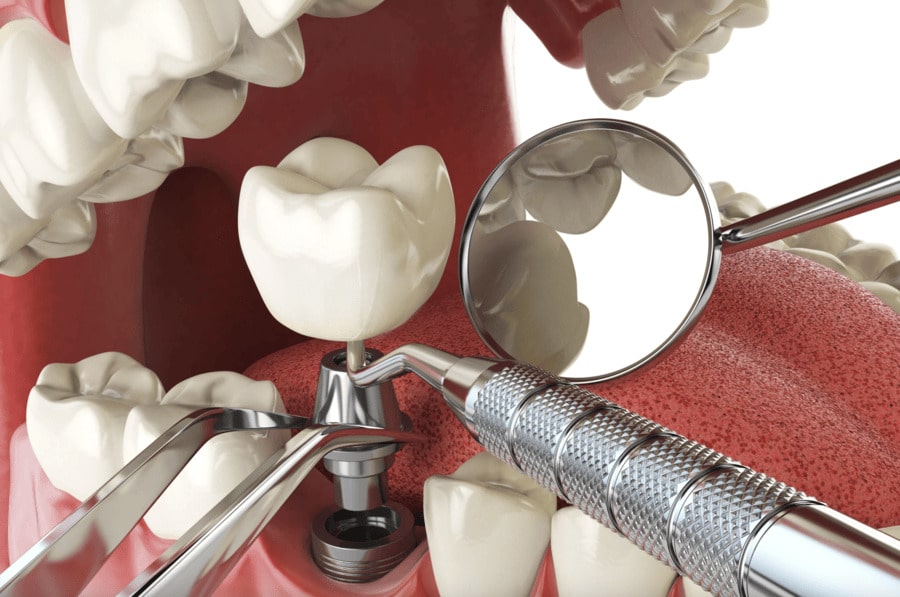
Treatment Options for Receding Gums Before Implants
If you have gum recession, it’s crucial to address the issue before getting dental implants. Treatment options include:
1. Gum Grafting
A gum graft is a surgical procedure that restores lost gum tissue by taking tissue from another part of the mouth (usually the palate) and attaching it to the receded area. This enhances gum coverage and improves implant support.
2. Bone Grafting
If gum recession has led to significant bone loss, a bone graft may be needed to restore sufficient jawbone density for implant placement.
3. All-on-4 Dental Implants
This technique strategically places implants in areas with better bone density, often reducing the need for grafting. It’s an effective option for patients with moderate bone loss due to gum recession.
4. Periodontal Treatment
Deep cleaning procedures such as scaling and root planning remove bacteria and tartar from below the gumline. In cases of severe periodontitis, laser therapy or surgical intervention may be required.
5. Soft Tissue Augmentation
This procedure thickens and strengthens the gum tissue around implants, reducing the risk of future gum recession and improving aesthetics.
6. Proper Oral Hygiene Practices
Preventing further gum recession is essential. A customized oral care routine, including gentle brushing, flossing, and antimicrobial mouthwash, helps maintain healthy gums.
Read More: Post-Surgery Care for Dental Implants
Dental Implant Options for Patients with Receding Gums
If you have receding gums but still want dental implants, consider these alternatives:
Traditional Dental Implants
With proper gum and bone preparation, traditional implants can be successful. However, additional procedures like gum or bone grafting may be required.
Zirconia Implants
Unlike traditional titanium implants, zirconia implants offer a more aesthetic solution as they blend naturally with gum tissue and do not create a grayish appearance if gums recede.
Subperiosteal Implants
For patients with severe bone loss, these implants sit above the jawbone rather than being embedded within it, making them a potential solution for those with receding gums.
Read More: Preparing for Dental Implant Surgery
How to Care for Dental Implants and Prevent Gum Recession
Taking preventive measures can help protect your gums and ensure the long-term success of dental implants:
- Use a Soft-Bristled Toothbrush: Avoid aggressive brushing that can wear down gum tissue.
- Floss Daily: Gently clean around implants to remove plaque buildup.
- Use an Antimicrobial Mouthwash: Helps kill bacteria and reduce gum inflammation.
- Visit Your Dentist Regularly: Routine checkups and cleanings can detect early signs of gum recession.
- Wear a Night Guard: If you grind your teeth, a custom night guard can protect gums and implants.
- Avoid Smoking and Excessive Alcohol Consumption: Both contribute to gum disease and recession.
Conclusion
Receding gums can make dental implants challenging, but with the right treatment and preventive care, successful implantation is still possible. If you're considering dental implants in Culver City, consulting with a periodontist or implant specialist can help you find the best solution. Prioritizing gum health before implant placement ensures long-term success and a confident smile.
FAQs
Can I Get Dental Implants If I Have Receding Gums?
Yes, but additional procedures such as gum grafting, bone grafting, or tissue augmentation may be necessary to create a stable foundation for implants.
Are Dental Implants at Risk If My Gums Continue to Recede?
Yes. Ongoing gum recession can expose implant structures, increasing the risk of peri-implantitis and potential implant failure.
What Happens If I Don’t Treat My Receding Gums?
Untreated gum recession can lead to increased sensitivity, tooth loss, and difficulties with dental implants. Addressing gum health early ensures better implant success.
How Can I Prevent My Gums from Receding Further?
- Maintain good oral hygiene
- Avoid harsh brushing
- Quit smoking
- Use a dentist-approved mouthwash
- Get regular dental checkups
Can Receding Gums Grow Back Naturally?
No, receded gums do not grow back naturally. However, treatments like gum grafting and soft tissue augmentation can restore gum coverage.
Need help getting started? Our California-based offices in Culver City and Inglewood are ready to assist. Reach out by filling out the consultation form or calling 310-643-6221.


0 Comments