
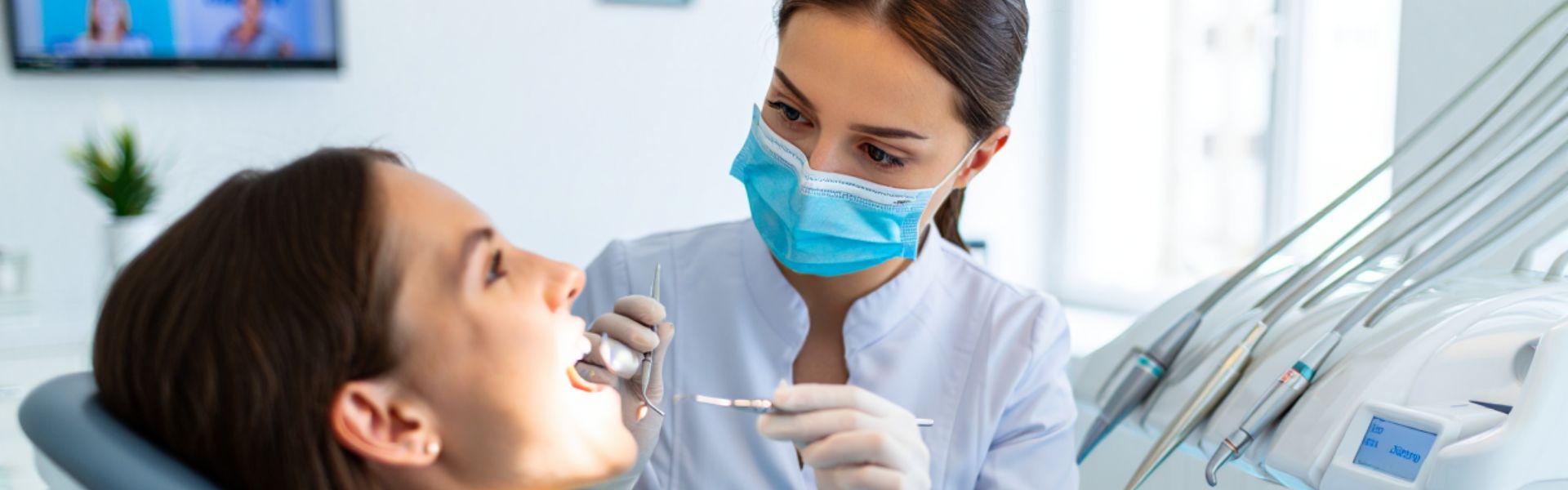
Is it safe to whiten your teeth during pregnancy? It’s a question many expectant mothers wonder about, especially with all the excitement of maintaining a bright smile. But the truth is, whitening your teeth while pregnant may not be as straightforward as it seems. In this guide, we’ll dive into the risks, the safest options, and everything you need to know about Teeth Whitening During Pregnancy to make the best choice for both you and your baby.
Is It Safe to Whiten Your Teeth During Pregnancy?
Whitening your teeth during pregnancy is a common question, especially for expectant mothers who want to maintain their appearance. However, dental professionals often advise caution when it comes to cosmetic treatments during this time. The main concern is the safety of both the mother and the baby. While there isn’t significant research directly linking teeth whitening treatments to pregnancy complications, certain ingredients found in whitening products, such as hydrogen peroxide, may pose risks. These substances could be absorbed into the bloodstream and potentially affect your baby.
Additionally, pregnancy can cause changes in hormone levels, which may affect the gums and enamel, making them more sensitive. This can lead to discomfort or an increased risk of irritation during whitening treatments.
It’s important to consult with your dentist before proceeding. Your dentist can recommend safer alternatives or postpone the treatment until after delivery. It’s always best to prioritize the health of both yourself and your baby during pregnancy.
At-Home Teeth Whitening While Pregnant
When it comes to at-home teeth whitening during pregnancy, caution is essential. Many over-the-counter whitening products contain active ingredients like hydrogen peroxide or carbamide peroxide, which are commonly used in professional treatments. However, there is limited research on how these chemicals might affect a developing baby during pregnancy.
While some women choose to use whitening strips or gels at home, these products can still pose risks due to their chemical content. Additionally, pregnancy can increase gum sensitivity, leading to possible irritation or discomfort when using whitening products. As a result, using these products without consulting a dentist could be risky.
If you’re determined to whiten your teeth at home, it's advisable to consult your dentist first. They can guide you on which products may be safer or suggest alternatives, such as whitening toothpaste with milder ingredients. It's also a good idea to avoid whitening treatments that involve high concentrations of active ingredients. Generally, the safest option is to wait until after pregnancy and breastfeeding to undergo more intensive whitening procedures.
Natural and Safe Whitening Methods for Pregnancy
When it comes to Teeth Whitening During Pregnancy, many expectant mothers prefer natural and safer alternatives to avoid any potential risks associated with chemical-based whitening products. Here are some gentle methods you can try:
- Baking Soda: Gently scrub your teeth with a paste made from baking soda and water. It's mildly abrasive and can help remove surface stains without harsh chemicals.
- Oil Pulling: Swish a tablespoon of coconut oil in your mouth for about 10–15 minutes. This method helps remove plaque and bacteria, promoting overall oral health.
- Activated Charcoal: Brush with activated charcoal powder, which is believed to help whiten teeth by absorbing stains. However, use it cautiously as it can be abrasive.
- Hydrogen Peroxide Rinse: Mix a small amount of hydrogen peroxide with water and use it as a mouthwash. It can help whiten teeth and kill bacteria, but use it sparingly to avoid irritation.
These methods are milder and generally considered safer during pregnancy, but it's always best to check with your dentist before trying any new treatments.
Whitening Your Teeth in the Third Trimester: Is It Risky?
Whitening your teeth during the third trimester is generally not recommended due to increased sensitivity in the gums and potential risks from chemicals in whitening products. Hormonal changes can also make your gums more prone to irritation. It's safer to avoid whitening treatments and wait until after pregnancy. Always consult your dentist before considering any procedure during this time.
For those considering teeth whitening during pregnancy, it’s important to choose safe and trusted professionals. If you’re in need of advice or services related to teeth whitening in Culver City, our experienced team is here to provide you with safe, personalized whitening options and expert guidance throughout your pregnancy journey. Contact us today for a consultation!
Best and Safest Teeth Whitening Options During Pregnancy
When it comes to the Best teeth whitening during pregnancy, safety is the top priority. During pregnancy, many traditional whitening treatments should be avoided due to the potential risks from chemicals and increased gum sensitivity. Fortunately, there are safer alternatives that can help you brighten your smile while keeping both you and your baby safe:
- Whitening Toothpaste: Choose a fluoride-based toothpaste that gently removes surface stains. These are safe to use during pregnancy and provide a more gradual whitening effect without harsh chemicals.
- Natural Remedies: Mild alternatives like baking soda, coconut oil pulling, or activated charcoal can help reduce staining. While these methods are not as effective as professional treatments, they are considered safe and less abrasive.
- Consulting a Dentist: Professional guidance is crucial during pregnancy. Your dentist may recommend treatments that are tailored to your unique needs, ensuring your safety and the safety of your baby.
Always speak with your healthcare provider before beginning any teeth whitening routine to ensure it's suitable for your specific stage of pregnancy. To maintain your whitening results after pregnancy, it’s essential to follow proper oral care and consider professional touch-ups. For more tips on how to keep your smile bright and beautiful, check out our guide on Maintaining Your Teeth Whitening Results.
Should You Use Whitening Strips During Pregnancy?
Using whitening strips during pregnancy is not recommended due to the potential risks associated with the chemicals they contain. These strips often contain hydrogen peroxide or carbamide peroxide, which can irritate your gums and cause sensitivity. Since hormonal changes during pregnancy can make your gums more susceptible to irritation, it's safer to avoid such products and consult with your dentist for a safer alternative. For more information on the safety of teeth whitening during pregnancy, you may want to read Does Teeth Whitening Really Work and Is It Safe.
Frequently Asked Questions
Can I whiten my teeth during pregnancy?
It’s best to avoid teeth whitening during pregnancy due to the potential risks from chemicals and increased gum sensitivity.
What is the safest method for teeth whitening during pregnancy?
Using fluoride toothpaste or natural remedies like baking soda is the safest way to maintain a bright smile while pregnant. Always consult your dentist for personalized advice.
When can I safely get professional teeth whitening?
It’s recommended to wait until after pregnancy and breastfeeding to undergo professional whitening treatments to ensure both your health and safety.



0 Comments