
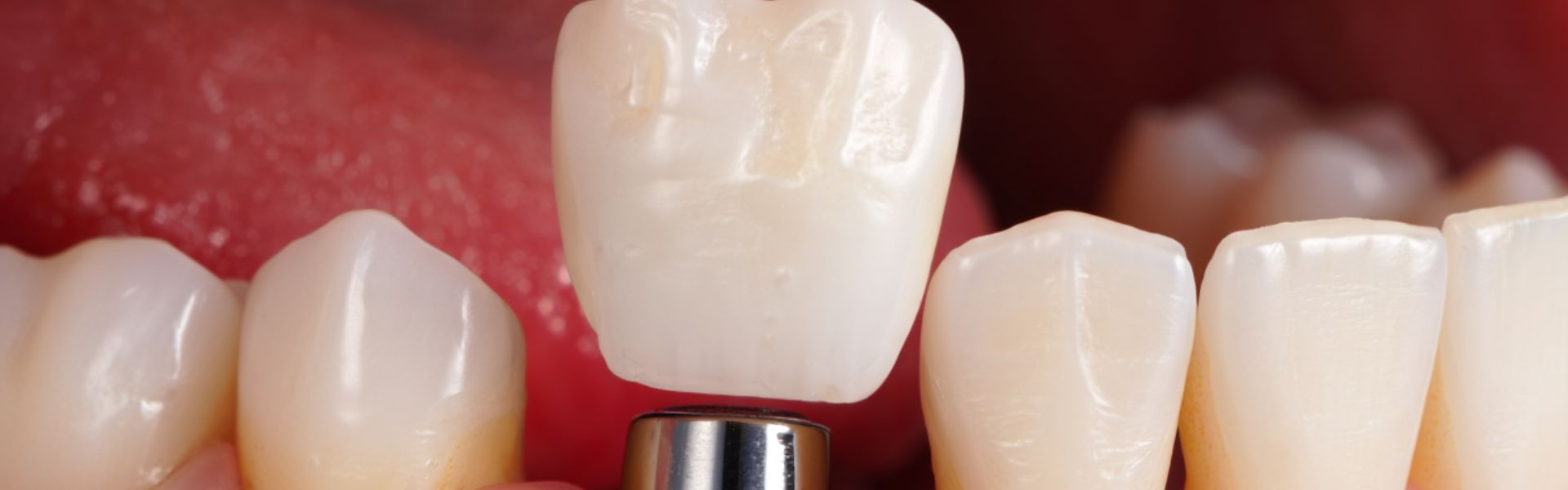
When it comes to dental implants, many people wonder: Do dental implants get cavities? After all, implants are designed to function like natural teeth, but do they share the same risks? If you're curious about whether dental implants can get cavities, you're not alone. In this post, we’ll explore how implants compare to natural teeth, the potential risks they face, and how you can keep them healthy for years to come. Keep reading to discover everything you need to know about maintaining your implants and avoiding complications!
Can Dental Implants Get Cavities Like Natural Teeth?
If you’ve ever wondered “can dental implants get cavities?”, you’re not alone. It’s a common concern for anyone considering or already living with implants. The good news is that dental implants are made from materials that don’t decay so technically, they can’t get cavities. However, that doesn’t mean they’re maintenance-free. In this article, we’ll explain why implants don’t develop cavities, what risks they do face (like gum disease), and how to care for them properly to keep your smile healthy for years to come.
Can Dental Implants Get Cavities?
Dental implants are a popular solution for replacing missing teeth, offering durability and a natural look. However, many people wonder if implants can develop cavities, as natural teeth do. The short answer is no, dental implants themselves do not get cavities. Here's why:
- Material Differences: Dental implants are typically made of titanium or zirconia, materials that are resistant to decay. Unlike natural teeth, which are made of enamel, implants do not have the structure that can be affected by the bacteria in your mouth that causes cavities.
- Gum Health: While the implant itself is cavity-proof, the gums around the implant can still be affected by gum disease if not properly maintained. If plaque and bacteria accumulate along the gum line, it can lead to peri-implantitis, a condition similar to gum disease that affects the tissue around the implant.
- Crowns and Fillings: If the dental implant is covered with a crown (the part that looks like a tooth), it's important to note that the crown is typically made from materials like porcelain or ceramic, which are resistant to decay. However, the tooth structure beneath the crown, including the edges where the crown meets the gum, needs to be kept clean to avoid issues.
Maintaining good oral hygiene is key to ensuring the long-term health of your implants and surrounding tissues. If you're concerned about cavities and want to learn more about how they affect your natural teeth, it’s important to understand the different types of cavities teeth can develop. Learning about these types can help you better protect your natural teeth while maintaining your dental implants.
How Are Dental Implants Different from Natural Teeth?
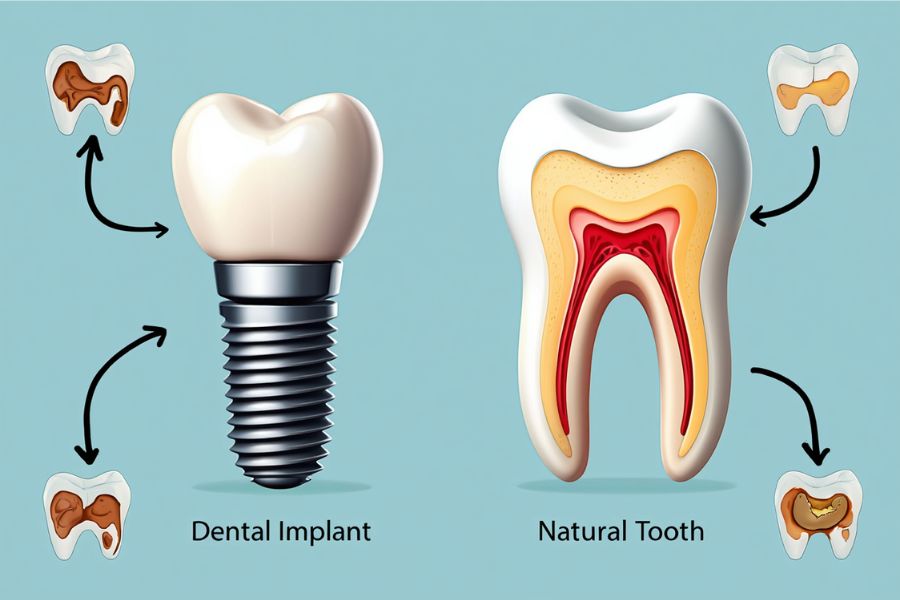
Dental implants and natural teeth have some key differences in terms of structure, function, and care. Here’s a comparison:
- Material Composition: Natural teeth are made of enamel, dentin, and pulp, while dental implants are made of titanium or zirconia, which are metal-based and highly durable materials that don't decay like natural enamel.
- Root Structure: Natural teeth have a root that is embedded in the jawbone, while implants have a titanium post that is surgically inserted into the jawbone to replace the tooth root.
- Support: Natural teeth are supported by the surrounding gum tissue and bone, whereas dental implants are directly anchored into the bone, providing more stability and strength.
- Vulnerability to Decay: Natural teeth are susceptible to cavities and decay because of the enamel, but implants are immune to this issue due to the materials they’re made from.
- Longevity: With proper care, dental implants can last for decades, while natural teeth may require treatments like fillings or root canals over time due to wear and tear.
Understanding these differences can help you take better care of your implants and ensure they last for years to come.
Do Tooth Implants Get Cavities?
Tooth implants do not get cavities because they are made from materials like titanium or zirconia, which are resistant to decay. Unlike natural teeth, which are prone to cavities due to enamel, implants do not have a structure that can be broken down by bacteria. However, the surrounding gum tissue can still be affected by poor oral hygiene, potentially leading to peri-implantitis, a condition similar to gum disease. While implants themselves remain cavity-free, maintaining good oral care is essential to keep the gums and surrounding tissues healthy, ensuring the long-term success of the implant.
What Happens if You Don’t Care for Dental Implants?
Neglecting dental implants can lead to various complications, affecting both the implant and the surrounding tissues. Here's what can happen:
- Peri-implantitis: Poor oral hygiene can cause plaque buildup around the implant, leading to an infection known as peri-implantitis. While this infection usually starts in the gums, untreated oral infections in general can become serious over time. Understanding how long until a tooth infection kills you can help highlight why early treatment and regular dental care are essential.
- Gum Recession: Without proper care, the gums around the implant can recede, exposing the metal post and compromising the stability of the implant.
- Implant Failure: In severe cases, untreated infections and gum issues can cause the implant to loosen or fail entirely, requiring removal and replacement.
Good oral hygiene, regular checkups, and professional cleanings are essential to ensure your implants remain healthy and functional for years.
Common Problems With Dental Implants (Besides Cavities)
While dental implants are generally reliable, several issues can arise over time. Here are some common problems that can occur:
- Peri-implantitis: As mentioned earlier, poor oral hygiene can lead to peri-implantitis, an infection around the implant that affects the gum tissue and bone, potentially causing implant failure.
- Implant Failure: In some cases, the implant may fail to integrate properly with the jawbone, leading to loosening or discomfort. This could be due to factors like poor bone quality or infection.
- Implant Loosening: Over time, the implant or crown may loosen, especially if the implant wasn’t placed securely or if there are issues with bite alignment.
- Nerve Damage: During the implant surgery, there's a risk of nerve injury, which can lead to numbness, tingling, or pain in the gums, lips, or chin.
- Sinus Problems: For upper jaw implants, improper placement could cause damage to the sinus cavity, leading to sinus infections or other complications.
How to Care for Dental Implants Properly
Taking proper care of dental implants is essential for their longevity and functionality. Here are key tips for maintaining your implants:
- Brush Regularly: Clean your implants just like natural teeth. Use a soft-bristled toothbrush and fluoride toothpaste to remove plaque and prevent buildup around the implant.
- Floss Daily: Flossing helps remove food particles and plaque between your implant and adjacent teeth. Consider using floss specifically designed for implants to avoid damaging the gum line.
- Avoid Hard Foods: While implants are durable, it's best to avoid chewing on hard foods, like ice or hard candies, that could potentially damage the crown or loosen the implant.
- Rinse with Antimicrobial Mouthwash: Use a mouthwash that’s gentle on your gums but helps fight bacteria, promoting gum health around the implant.
- Regular Dental Checkups: Visit your dentist regularly for professional cleanings and checkups to ensure the health of your implants and surrounding tissues.
- Quit Smoking: Smoking can increase the risk of gum disease and implant failure, so quitting is highly recommended for maintaining implant success.
By following these steps, you can help your dental implants last longer and stay free from complications.
Conclusion: Keeping Your Implants Healthy for Life
Dental implants are a long-lasting solution for replacing missing teeth, offering both functionality and aesthetic appeal. While they do not get cavities like natural teeth, they still require proper care to maintain their health. Regular brushing, flossing, and professional checkups are crucial to avoid complications like peri-implantitis or implant failure. By following a diligent oral care routine and avoiding harmful habits, you can ensure your implants remain in excellent condition for years to come.
If you're looking for expert advice and professional care on dental implants, we invite you to explore our specialized services. For top-quality care, consider our dental implants in Culver City. Contact us today for a consultation with our experienced team to help you achieve a healthy, beautiful smile.
FAQs About Dental Implants and Cavities
Are dental implants prone to plaque buildup?
No, dental implants themselves are not prone to plaque buildup, but the surrounding gum tissue can accumulate plaque if not cleaned properly. Regular brushing and flossing around the implant are essential.
Can an implant fail due to poor oral hygiene?
Yes, poor oral hygiene can lead to peri-implantitis, an infection around the implant, which can cause the implant to fail if not treated.
How often should I see the dentist with implants?
It’s recommended to see your dentist every 6–12 months for regular checkups and professional cleanings to ensure your implants and surrounding tissues remain healthy.
Need help getting started? Our California-based offices in Culver City and Inglewood are ready to assist. Reach out by filling out the consultation form or calling 310-643-6221.



0 Comments