
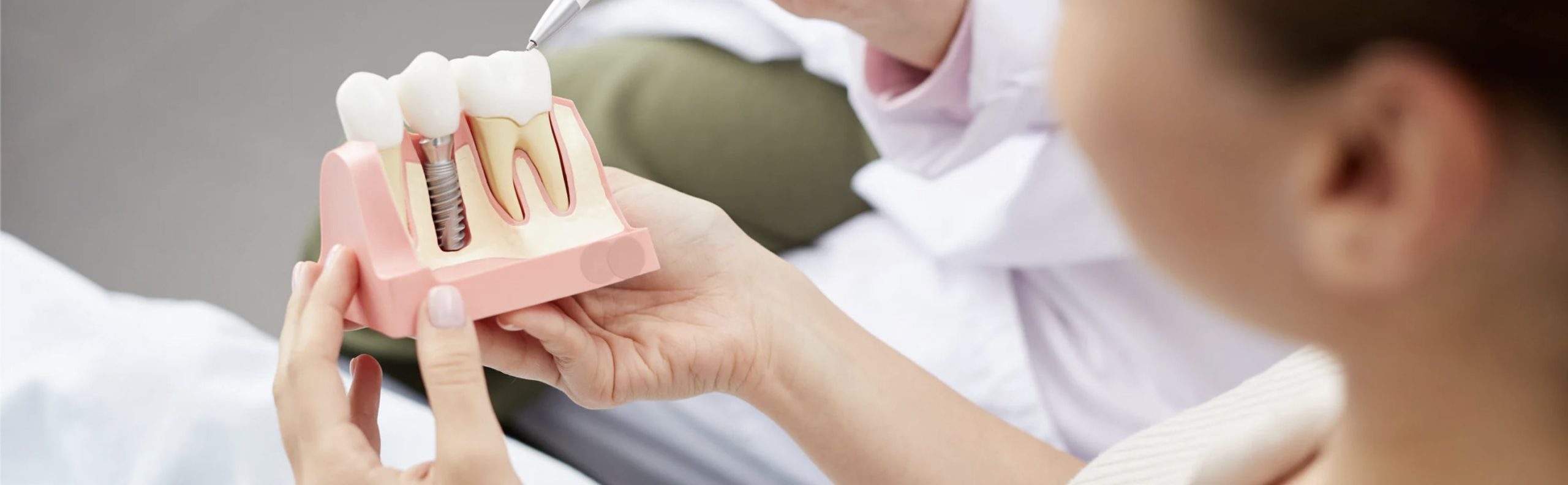
Selecting the right dental implant plays a crucial role in both your oral health and overall quality of life. With various options available, it’s important to understand which one best suits your needs. If you're considering dental implants in Culver City, this guide will walk you through the best type of dental implants and key factors to consider, helping you make an informed decision for a healthy, long-lasting smile.
Choosing the Best Type of Dental Implant for You
Factors like oral health, bone density, and personal preferences should be considered when deciding on dental implants. Several types of implants are designed to meet different needs, and working closely with your best dental implant provider will help ensure the most successful outcome.
Which type of dental implants are best
Dental implants come in various forms, each with benefits depending on the patient's condition. Below are the primary types of implants commonly used:
Endosteal Implants
Endosteal implants are the most common type of dental implant. They are surgically placed directly into the jawbone and are usually made of titanium. These implants are ideal for patients with healthy bone density, providing a solid foundation for artificial teeth.
Read More: non surgical dental implants
Subperiosteal Implants
Unlike endosteal implants, subperiosteal implants are placed under the gum but above the jawbone. This option is suitable for patients who may not have enough healthy jawbone to support endosteal implants and are unable or unwilling to undergo bone augmentation.
Mini Dental Implants
Mini dental implants (MDIs) are smaller than traditional implants and are often used for patients who lack the bone structure for full-sized implants. They can also be a more affordable, less invasive alternative for securing dentures.
What is the best choice for dental implants
Several factors can influence the best choice of dental implants for you. Each person's situation is unique, and considering these aspects will help ensure a more prosperous and comfortable dental implant experience.
Bone Density and Quantity
Adequate bone density is crucial for supporting dental implants, especially endosteal implants. If you don't have enough bone, you may need a bone graft to build up the jawbone, or you might consider options like subperiosteal implants.
Oral Health
Your oral health, including the condition of your gums, plays a significant role in implant success. Issues like gum disease must be addressed before implants are considered to ensure long-term success.
Budget and Insurance
Dental implant procedures can be expensive, and not all insurance plans cover them. Comparing the cost of different types of implants and consulting with your dentist about payment plans or insurance options can help you make an informed decision.
Lifestyle and Personal Preferences
Your lifestyle choices, such as smoking or grinding your teeth, can affect the longevity of dental implants. Discussing your habits with your dentist can help them tailor the implant type to suit your long-term needs.
The Dental Implants Process
The dental implant process typically involves multiple stages. First, your dentist will assess your oral health and bone structure to determine which implant is right for you. After the initial consultation, the implant will be surgically placed into the jawbone, followed by a healing period that allows the implant to fuse with the bone (osseointegration). Once healed, an abutment and artificial tooth will be attached to the implant to complete the process.
Cost Comparison of Different Dental Implant Options
The cost of dental implants can vary based on the chosen implant type, the procedure's complexity, and the location. Here's a general comparison:
Endosteal Implants: Typically the most common and moderately priced.
Subperiosteal Implants: Slightly more expensive due to their customized nature and the potential need for additional procedures.
Mini Dental Implants: Generally less expensive than traditional implants due to their smaller size and less invasive procedure.
It's essential to consult with your dentist about the exact costs and explore financing options that suit your budget.
Best dental implant insurance
When evaluating the cost, it’s also helpful to explore the best dental implant insurance plans available. While many basic insurance policies may not cover implants fully, some extended or supplemental plans provide partial coverage or reimbursements for surgical and prosthetic procedures. Be sure to ask your provider what’s included in your coverage.
Bone loss dental implant options
If you’re dealing with bone loss, don’t worry there are still effective bone loss dental implant options. Subperiosteal implants or mini dental implants may be viable alternatives that don’t require extensive bone grafting. Consulting with your dentist can help identify the most suitable approach based on your bone structure.
Choosing Long-Lasting Dental Implants
One of the key advantages of implants is their durability. Most long lasting dental implants, such as titanium endosteal implants, can last decades with proper care. Maintaining good oral hygiene and regular dental visits will significantly extend the life of your implants and protect your investment.
Need help getting started? Our California-based offices in Culver City and Inglewood are ready to assist. Reach out by filling out the consultation form or calling 310-643-6221.
Conclusion
Dental implants are a reliable, long-lasting solution for missing teeth, offering aesthetic and functional benefits. When choosing the best teeth implants for your needs, it's essential to consider factors like bone density, oral health, budget, and personal preferences.
To learn more about dental implants and find out which option is best for you, schedule a consultation with our dental experts at Toothopia Dental. We offer a wide range of implant services to give you the smile you deserve.
Are dental implants safe? Yes, they are a safe and effective solution for most patients. For a comprehensive understanding of the procedure and its long-term effects, check out our detailed blog post, "Are dental implants safe?"
At Toothopia Dental, we are committed to providing high-quality dental services, including dental implants tailored to your needs. Contact us today to book your consultation and take the first step toward a healthy, beautiful smile!
FAQs
What is the most commonly used type of dental implant?
The most commonly used type is the endosteal implant, which is surgically placed into the jawbone and provides strong support for replacement teeth.
What is the best dental implant to get?
The best dental implant depends on factors like your bone density, oral health, and budget. Your dentist will help you choose the most suitable option for your needs.
Who is suitable for dental implants?
Most adults with good oral health and adequate bone density are suitable. Even patients with bone loss may qualify with special options or bone grafting.



0 Comments