

As a parent, you probably have a lot of concerns about your child’s well-being, whether related to school, their health, or their relationships. One question that many parents have is whether or not their child needs braces. After all, it is a common treatment for adolescents and teens. Parents who are looking for orthodontics treatment for children in Cluver City, Palms, Cheviot Hills, or Playa Vista can find the highest quality pediatric dentistry at Toothopia Dental in Culver City, CA. Before you begin any type of treatment, however, it’s best to inform yourself on what orthodontics is and how it works.
What is orthodontics?
Orthodontics is a specialty in the field of dentistry that deals with the diagnosis, correction, and prevention of improperly positioned teeth and jaws.
What treatments are available?
At Toothopia Dental in Culver City, CA, we offer several types of orthodontic treatment for both children and adults. These include traditional metal braces, hidden (or incognito) braces, and Invisalign®.
What are the benefits of orthodontics?
Straightening the teeth produces not only aesthetic results, as the smile is made more attractive, but it also benefits oral health overall. Straighter teeth are easier to clean, which reduces the risk of problems like cavities and gum disease. Putting the teeth and jaw in proper alignment also allows for even wear on the teeth and even pressure on the jaw muscles.
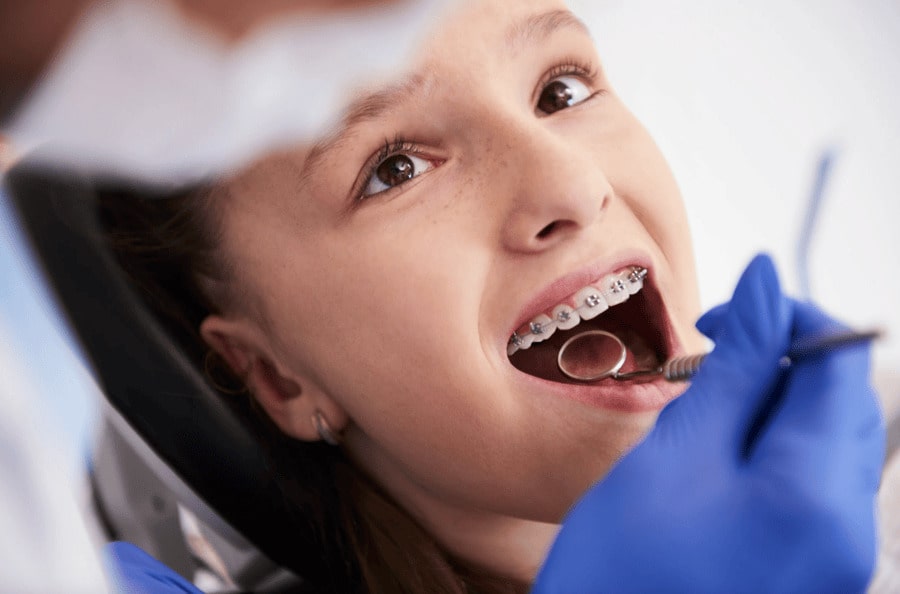
Is there an ideal age for braces?
There isn’t one ideal age to begin orthodontic treatment, but it typically begins between the ages of 9 and 14. Children in this age range have had some permanent teeth come in, but because they are still growing, it is easier to alter the position of these teeth. Adults can also receive treatment if they wish to make a change to their smile and enjoy the benefits of straight teeth.
What Are the Best Types of Braces?
Today, orthodontic treatment offers several types of braces, each with unique advantages. The main options include traditional metal braces, ceramic braces, lingual braces, and clear aligners like Invisalign. Metal braces are strong and work quickly on significant misalignment, while ceramic braces are less noticeable. Clear aligners provide a removable option, ideal for kids who prefer minimal appearance during treatment. Consulting an orthodontist can help determine the best choice based on your child’s needs and lifestyle.
Chat with our team to find out if Invisalign Inglewood is right for you. We’ll help you decide with no pressure.
Common Signs Your Child Needs Braces
Signs that your child may need braces include crowded teeth, difficulty chewing, misaligned bites (such as underbite or overbite), and jaw pain. Gaps between teeth or teeth that overlap are other indicators. Early dental visits help identify any issues and determine if orthodontic treatment is necessary.
What problems can be treated with orthodontics?
Orthodontics can treat issues such as overbite, underbite, crossbite, open bite, crowding, and gapped teeth. Some of these problems may be inherited, but others develop over time, such as if children suck their thumbs or fingers, breathe through their mouths, or have poor dental hygiene. Understanding how fast a tooth infection can spread emphasizes why maintaining proper oral hygiene and regular checkups is essential for your child’s dental health.
How can I tell if my child needs braces?
Only your dentist will be able to determine whether orthodontic treatment for Children will be needed. It is recommended that children have a checkup with an orthodontist by age 7, but your dentist at Toothopia Dental will be able to examine your child’s teeth thoroughly and decide whether orthodontic treatment would be beneficial. Some signs that your child could benefit from treatment include:
- Early, late or irregular loss of baby teeth
- Difficulty chewing or biting
- Mouth breathing
- Thumb or finger sucking
- Crowded, misplaced, or blocked-out teeth
- Jaws that shift, make sounds, protrude, or are recessed
- Biting the cheek or roof of the mouth
- Teeth that meet abnormally or not at all
- Jaws and teeth that are out of proportion to the rest of the face
If you observe any of these issues in your child, it is recommended that you speak with your dentist or an orthodontist, even if the child is not yet 7.
How Long Will My Child Wear Braces?
The duration of wearing braces varies, typically ranging from 18 to 30 months, depending on the complexity of the dental issues and the type of braces chosen. Minor adjustments might only take a year, whereas more significant corrections can extend beyond two years. Your orthodontist will provide a timeline after assessing your child’s specific needs.
How does orthodontic treatment work?
Orthodontic treatments work in essentially the same way. A device is applied to the teeth to exert a steady, slight pressure to change their position. With traditional braces, this pressure is applied using a system of brackets and wires. Hidden braces work the same way, except that the appliance is placed on the back of the teeth, so they are not visible. Invisalign® is a system of aligners that are removable but are worn on the teeth for most of the day so that they apply the needed pressure on the teeth. A new aligner is switched out regularly as the teeth start to change position. You will be able to discuss these options with your dentist to determine the most suitable method of treatment for your child.
If you feel that your child may require orthodontic treatment to address an issue with their bite or jaw alignment, come see us at Toothopia Dental. We are happy to provide orthodontics and pediatric dentistry to the patients of Culver City, Beverly Hills, Palms, Cheviot Hill, and Playa Vista.
FAQs
What age should my child get braces?
Children typically get braces between ages 9 and 14, though it varies based on their dental development.
How long does orthodontic treatment usually take?
Treatment generally takes 1 to 3 years, depending on the dental issues and type of braces.
What are common signs that my child may need braces?
Crowded, misaligned teeth, difficulty chewing, and jaw pain are common signs braces may be needed.
Need help getting started? Our California-based offices in Culver City and Inglewood are ready to assist. Reach out by filling out the consultation form or calling 310-643-6221.


0 Comments