

As a parent, ensuring your child has strong, healthy teeth is a top priority. But sometimes, despite best efforts, tooth decay, injuries, or developmental issues require a solution beyond simple fillings. When that happens, a pediatric dentist may recommend a dental crown to protect and restore your child’s tooth.
If your child needs a dental crown, you probably have questions: What are the best options? Which type lasts the longest? Will it look natural? In this guide, we’ll cover the different types of dental crowns for kids, their pros and cons, and how to choose the best one for your little one’s smile.
What Are the Best Types of Dental Crowns for Kids and How Do You Choose the Right One?
When it comes to protecting your child’s teeth after decay or injury, many parents ask: What are the best types of dental crowns for kids? The answer depends on several factors such as the location of the tooth, your child’s age, oral health needs, and aesthetic preferences. From durable stainless steel crowns often used on molars, to tooth-colored zirconia and composite strip crowns for front teeth, each option has unique benefits and considerations. In this guide, we break down the pros and cons of each crown type, explain when and why children might need them, and help you make an informed choice that supports both your child’s oral health and smile confidence.
Why Would a Child Need a Dental Crown?
You might think dental crowns are only for adults, but they play a crucial role in pediatric dentistry. Primary (baby) teeth are essential for proper speech development, chewing, and guiding permanent teeth into place. When a tooth is severely decayed or damaged, placing a crown can help avoid early tooth loss and its complications.
According to the American Academy of Pediatric Dentistry (AAPD), a dental crown is recommended in these cases:
- Severe Tooth Decay: When a cavity is too large for a traditional filling.
- Cracked or Broken Teeth: If a tooth is fractured due to an accident or injury.
- After a Root Canal: To strengthen and protect the treated tooth.
- Developmental Issues: Some children are born with weaker enamel that needs extra protection.
Types of Dental Crowns for Kids
Not all dental crowns are the same. Each type has unique benefits depending on the tooth’s location, the child’s needs, and aesthetic preferences. Let’s explore the most common options.
1. Stainless Steel Crowns (SSC)
Best for: Molars (back teeth), children needing strong, durable protection
Stainless steel crowns are the most commonly used crowns for kids, especially for molars. They are pre-made and come in different sizes, allowing the dentist to fit them quickly during a single visit.
Pros:
- Extremely durable can withstand chewing forces.
- Cost-effective compared to other crown types.
- Easy to place, requiring only one dental visit.
Cons:
- Silver/metallic color, which some parents find unappealing.
- Might cause slight gum irritation initially.
What Experts Say:
"Stainless steel crowns have been the gold standard in pediatric dentistry for decades because they are reliable and long-lasting," says Dr. Hossein Javid a pediatric dental specialist.
2. Zirconia Crowns
Best for: Front and back teeth, parents who prefer a natural look
Zirconia crowns are a newer, tooth-colored alternative to stainless steel. They provide both strength and aesthetics, making them a great choice for children who need crowns on visible teeth.
Pros:
- White, natural-looking appearance, blending with surrounding teeth.
- Highly durable won’t chip or break easily.
- Biocompatible, meaning they are safe for children with metal allergies.
Cons:
- More expensive than stainless steel crowns.
- Requires more tooth reduction for proper fit.
3. Composite Strip Crowns
Best for: Front teeth, minor cavities, aesthetic concerns
Composite strip crowns are made from a clear plastic mold filled with tooth-colored composite resin. These are ideal for repairing front baby teeth affected by decay or trauma.
Pros:
- Natural appearance blends well with surrounding teeth.
- Less invasive than zirconia, requiring minimal tooth reduction.
- Provides a good short-term solution until the baby tooth naturally falls out.
Cons:
- Less durable than zirconia or stainless steel.
- Can stain or discolor over time.
4. Resin-Modified Glass Ionomer (RMGI) Crowns
Best for: Temporary crowns, children with a high risk of cavities
RMGI crowns are made of a fluoride-releasing material that helps strengthen the tooth and prevent further decay. These crowns are often used for temporary protection before a more permanent restoration.
Pros:
- Releases fluoride, providing added cavity protection.
- More conservative requires minimal tooth removal.
- Good for children prone to cavities.
Cons:
- Not as durable as zirconia or stainless steel.
- May wear down faster.
How to Choose the Right Crown for Your Child
When deciding on the best dental crown, consider these factors:
- Tooth Location: Stainless steel is best for molars, while zirconia or composite is better for front teeth.
- Durability Needs: If your child has strong chewing habits, a more durable crown (stainless steel or zirconia) is ideal.
- Aesthetic Concerns: If the crown is visible, zirconia or composite strip crowns are better choices.
- Cost Considerations: Stainless steel is the most affordable option, while zirconia is the priciest.
Tip: Always discuss options with your child’s dentist to determine the best choice based on their individual needs.
What to Expect During the Procedure
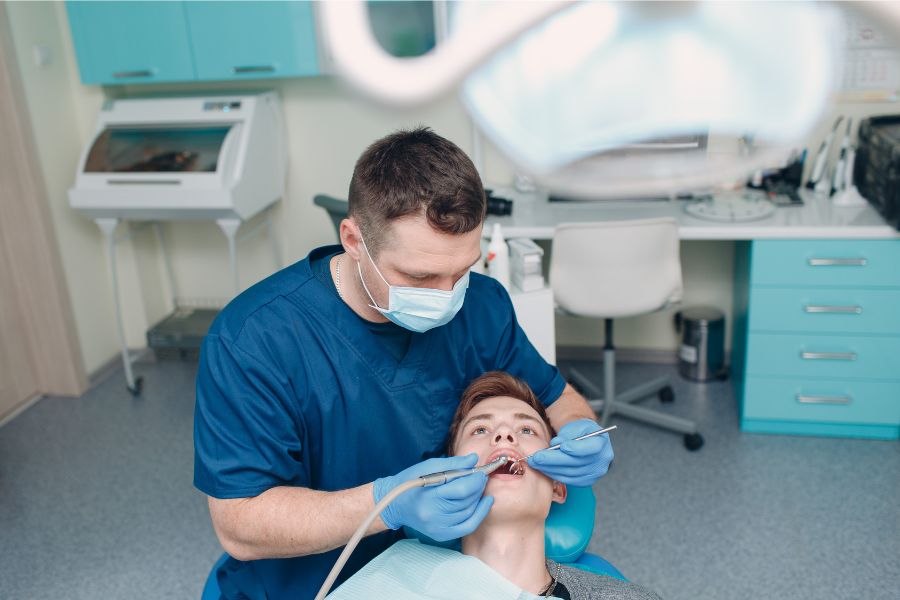
If your child needs a dental crown, here’s what happens during the process:
- Consultation & X-Rays: The dentist examines the tooth and determines if a crown is necessary.
- Tooth Preparation: The dentist removes decay and shapes the tooth for the crown.
- Crown Placement: The selected crown is fitted and cemented into place.
- Recovery: Your child may experience mild sensitivity, but this typically resolves in a few days.
Caring for Your Child’s Dental Crown
Once the crown is in place, proper care is essential to ensure longevity:
- Brush twice daily with fluoride toothpaste.
- Floss gently around the crown.
- Avoid sticky, hard foods that could dislodge the crown.
- Schedule regular check-ups to monitor the crown’s condition.
Final Thoughts: Which Crown is Best?
The best type of dental crown for your child depends on several factors, including the tooth’s location, durability needs, and aesthetic preferences.
If cost and durability are your main concerns, stainless steel crowns are an excellent choice. For a more natural appearance, zirconia or composite strip crowns may be preferable. Additionally, if your child is at high risk of cavities, fluoride-releasing RMGI crowns can provide extra protection.
When in doubt, consulting with a pediatric dentist in Culver City ensures you make the best decision for your child’s oral health. With the right choice, your little one can enjoy a strong, confident smile for years to come!
FAQs
Are dental crowns safe for kids?
Yes, dental crowns are safe and commonly used to protect and restore damaged baby teeth, ensuring proper oral development.
How long do pediatric dental crowns last?
Stainless steel crowns can last until the baby tooth naturally falls out, while zirconia and composite crowns may last several years with proper care.
Will my child feel pain during the crown procedure?
The procedure is typically painless as dentists use local anesthesia to numb the area, ensuring your child remains comfortable.
Need help getting started? Our California-based offices in Culver City and Inglewood are ready to assist. Reach out by filling out the consultation form or calling 310-643-6221.


0 Comments