

A bright, white smile can boost confidence, but for those with sensitive teeth, finding the right whitening treatment can be challenging. Sensitivity to cold, hot, or even air can make some whitening products painful. Fortunately, there are safe and effective options specifically designed for people with sensitive teeth.
What’s the Best Way to Choose the Right Teeth Whitening Treatment for Sensitive Teeth?
If you have sensitive teeth, selecting the right whitening treatment requires extra care. Strong bleaching agents can cause pain or discomfort, but that doesn’t mean you have to give up on a brighter smile. How to choose the right teeth whitening treatment for sensitive teeth depends on factors like peroxide concentration, application method, and whether the product includes desensitizing ingredients like potassium nitrate or fluoride. From gentle whitening toothpastes and specially formulated strips to custom trays and in-office options, there are many safe and effective ways to whiten sensitive teeth without irritation. This guide breaks down the pros and cons of each method, includes expert advice, and even highlights natural remedies for a gentle approach so you can achieve a radiant smile without the sting.
Understanding Tooth Sensitivity and Whitening
Tooth sensitivity occurs when the enamel wears down or gums recede, exposing the dentin underneath. This layer contains tiny tubules that connect to nerve endings, causing discomfort when exposed to whitening agents like hydrogen peroxide or carbamide peroxide.
Dr. Sarah Mitchell, a cosmetic dentist, explains: "Many whitening treatments use strong bleaching agents that can exacerbate sensitivity. The key is to find a formula that is both gentle and effective."
Factors to Consider When Choosing a Whitening Treatment
When selecting a whitening option, consider the following:
- Whitening Agent Concentration – Lower concentrations of peroxide are better for sensitive teeth.
- Application Method – Gels, strips, trays, and toothpaste all have different levels of intensity.
- Desensitizing Ingredients – Look for products with potassium nitrate or fluoride to minimize discomfort.
- Duration of Treatment – Shorter treatment times reduce exposure to harsh chemicals.
- Professional vs. Over-the-Counter Options – Dentist-approved treatments tend to be more effective and less irritating.
Read More: Does Teeth Whitening Really Work and Is It Safe
Best Whitening Treatments for Sensitive Teeth
1. Whitening Toothpaste
Whitening toothpaste is one of the gentlest methods for sensitive teeth. These products contain mild abrasives and low concentrations of bleaching agents.
User Review: "I switched to Sensodyne Extra Whitening, and after a month, I noticed a difference without any pain!" – Lisa M.
Pros:
- Gradual whitening effect
- Strengthens enamel
- Affordable and easy to use
Cons:
- Takes longer to see results
- Limited whitening power compared to other treatments
2. Whitening Strips for Sensitive Teeth
Some brands offer specially formulated whitening strips that contain lower peroxide levels and include soothing ingredients.
Recommended Product: Crest 3D White Gentle Routine Strips – These are designed for daily use without causing irritation.
Pros:
- Convenient and easy to apply
- Affordable compared to professional treatments
- Effective for mild staining
Cons:
- Can still cause mild irritation
- Uneven whitening if not applied correctly
3. Whitening Gels and Pens
Whitening pens and gels allow for targeted application, reducing the chances of irritation.
Dr. Mitchell’s Tip: "Avoid overuse. Using these gels once every few days instead of daily can help maintain results without discomfort."
Pros:
- Precise application
- Good for touch-ups
- Can be used on specific areas
Cons:
- Not as powerful as in-office treatments
- Requires multiple applications
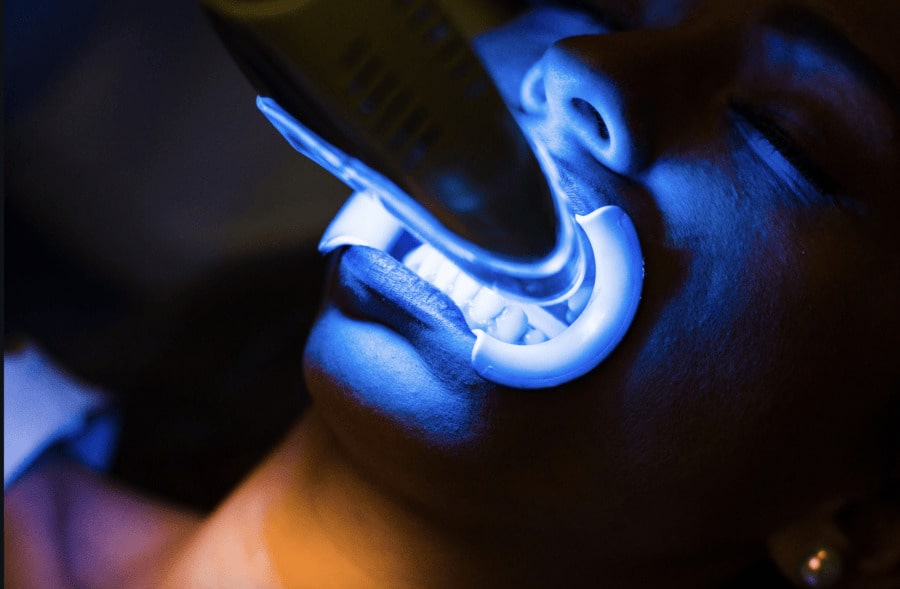
4. Professional In-Office Whitening
A dentist-supervised treatment ensures safe and effective whitening. Many professionals use desensitizing agents to minimize discomfort.
User Experience: "I tried in-office whitening with a sensitivity treatment beforehand, and it worked wonders!" – Jake P.
Pros:
- Fast and highly effective results
- Supervised by a professional
- Custom treatment for individual needs
Cons:
- Expensive compared to at-home options
- Requires a dental visit
5. Custom Whitening Trays
Custom trays from a dentist offer a safer way to whiten teeth gradually.
Quote from a dental expert: "Custom trays help control the amount of whitening gel applied, reducing gum irritation." – Dr. Amanda Lee
Pros:
- Tailored to your teeth
- More even whitening results
- Less gum irritation than strips
Cons:
- Can be costly
- Requires multiple uses to see full results
Read More: How Long Does Teeth Whitening Last?
Natural Remedies for Teeth Whitening
For those looking for a chemical-free approach, natural remedies can help brighten teeth without increasing sensitivity.
1. Baking Soda and Hydrogen Peroxide
A paste made from baking soda and hydrogen peroxide can remove surface stains.
Pros:
- Mild abrasive for stain removal
- Inexpensive
Cons:
- Overuse can wear down enamel
2. Activated Charcoal
Activated charcoal is known to absorb stains and toxins.
Pros:
- Natural whitening method
- Removes toxins and bacteria
Cons:
- Can be abrasive if used too often
3. Oil Pulling with Coconut Oil
Swishing coconut oil in the mouth for 15-20 minutes can help remove bacteria and surface stains.
Pros:
- Natural and gentle
- Supports oral health
Cons:
- Takes time to see results
Tips to Prevent Sensitivity During Whitening
- Use a desensitizing toothpaste before and after whitening.
- Avoid extremely hot or cold foods post-treatment.
- Limit acidic foods and drinks that weaken enamel.
- Try shorter whitening sessions to minimize discomfort.
- Drink through a straw to minimize contact with teeth.
Frequently Asked Questions (FAQs)
Q: How long do whitening results last? A: It depends on the method used and lifestyle habits. Professional whitening can last up to a year, while at-home treatments may need regular touch-ups.
Q: Can I whiten my teeth if I have fillings or crowns? A: Whitening treatments work on natural teeth but will not lighten dental restorations like fillings, crowns, or veneers.
Q: How often can I use whitening treatments? A: It depends on the product. Whitening toothpaste can be used daily, but stronger treatments should be limited to prevent sensitivity.
Conclusion
Choosing the right teeth whitening treatment for sensitive teeth requires careful consideration. From gentle whitening toothpaste to professional treatments with desensitizing agents, there are safe options available. If you're looking for Teeth Whitening in Culver City, professional services can help achieve a brighter smile with minimal discomfort. Always consult with your dentist before starting any whitening regimen to ensure the best results.
Need help getting started? Our California-based offices in Culver City and Inglewood are ready to assist. Reach out by filling out the consultation form or calling 310-643-6221.
Have you tried whitening treatments for sensitive teeth? Share your experience in the comments below!



0 Comments