

Dental visits don’t have to be a stressful experience. Managing dental anxiety is possible with the right techniques and support. Whether it’s fear of pain, past experiences, or simply the unknown, there are effective ways to overcome these challenges and make your dental appointments more comfortable. In this blog, we’ll explore practical tips to help you manage dental anxiety and ensure a positive, stress-free visit to the dentist.
Understanding Dental Anxiety
Dental anxiety is a common issue that many people face before or during a dental visit. Whether it’s the sound of the dental tools, the fear of pain, or past traumatic experiences, dental anxiety can keep people from getting the care they need. Understanding the causes is the first step in managing dental anxiety and ensuring a comfortable dental experience.
Causes of Dental Anxiety
Understanding these common causes of dental anxiety is the first step toward addressing it and ensuring a more comfortable and stress-free visit to the dentist.
- Past Negative Experiences: Previous painful or uncomfortable visits can lead to lasting fear of future dental appointments.
- Fear of the Unknown: Uncertainty about what will happen during a dental procedure can trigger anxiety.
- Fear of Pain: Many people fear pain, even though modern dentistry uses anesthesia to minimize discomfort. Knowing how long the numbness from lidocaine lasts removes one more unknown; for most visits, it is one to three hours, not the rest of the day.
- Embarrassment: Some feel self-conscious about the state of their teeth, leading to anxiety about being judged.
- Sensory Triggers: Sounds like drills or the smell of chemicals can trigger discomfort before any treatment starts.
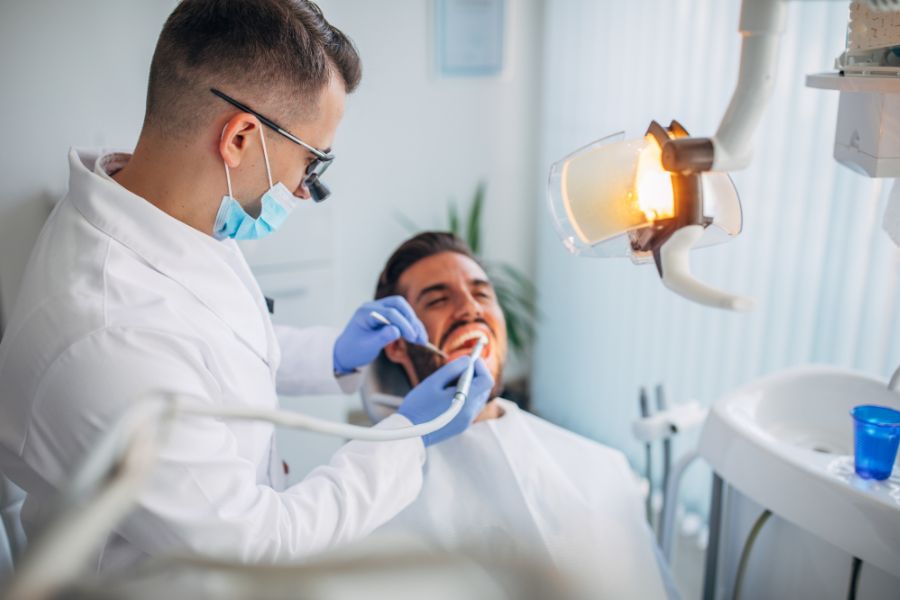
Tips for Managing Dental Anxiety
Managing dental anxiety is all about finding the right strategies that work for you. Here are some effective tips to help you stay calm and make your dental visits more comfortable.
Communication with Your Dentist
Clear and open communication is key to managing anxiety. Before your appointment, let your dentist know about your fears and concerns. Discussing your anxiety will help your dentist adjust their approach, whether it’s using slower techniques or offering breaks during the procedure. Knowing that your dentist is understanding can provide a sense of relief.
Sedation Options for Anxious Patients
For those with more severe dental anxiety, sedation options can be a helpful solution. There are different types of sedation, including nitrous oxide (laughing gas), oral sedatives, or IV sedation. These options can help you relax and reduce fear, making it easier to go through treatments without stress. Discuss with your dentist which sedation method is best suited for your needs.
Relaxation Techniques: Breathing Exercises and Music
Using relaxation techniques before and during your appointment can help with managing dental anxiety. Simple breathing exercises such as slow, deep breaths can trigger a relaxation response and reduce anxiety. You can also bring headphones and listen to music or calming sounds to distract yourself from the environment and focus on something soothing.
How to Treat Anxiety Patients
Treating patients with dental anxiety requires a compassionate, patient-centered approach. Dentists and dental staff can make a significant difference in helping patients feel at ease and providing them with the care they need.
Patient Education and Support
One of the most effective ways to treat anxious patients is through education. Providing clear explanations about procedures can help demystify the process and reduce fear of the unknown. Taking the time to explain what will happen, what to expect, and how pain will be managed can reassure patients. Additionally, offering emotional support such as acknowledging their anxiety and letting them know they are in a safe, understanding environment can help build trust and ease their nerves.
Conclusion
By adopting a preventive approach to your oral health through preventive dentistry in Culver City, you can significantly reduce your risk of dental problems that cause anxiety. Regular check-ups and early treatment ensure that you’re less likely to need more complex, anxiety-inducing procedures. Consistent care, along with open communication and relaxation techniques, will help you manage dental anxiety effectively and keep your smile healthy.
Need help getting started? Our California-based offices in Culver City and Inglewood are ready to assist. Reach out by filling out the consultation form or calling 310-643-6221.



0 Comments