

If you’ve lost multiple teeth, an implant bridge dental solution could be the perfect choice for you. Offering a durable, long-lasting alternative to traditional bridges, implant bridges provide stability and function, making them ideal for replacing missing teeth. In this blog, we’ll explore everything you need to know about implant bridges, from the procedure to their benefits, and help you decide if this innovative treatment is right for you.
What is an Implant Bridge?
An Implant Bridge Dental solution is a dental restoration option designed to replace missing teeth. Unlike traditional bridges, which rely on adjacent healthy teeth for support, an implant bridge uses dental implants as anchors. This creates a more stable, long-lasting solution for replacing one or more missing teeth. Implant bridges are ideal for people who need multiple teeth replaced, offering improved function and aesthetics compared to traditional bridges.
How Does an Implant-Supported Bridge Work?
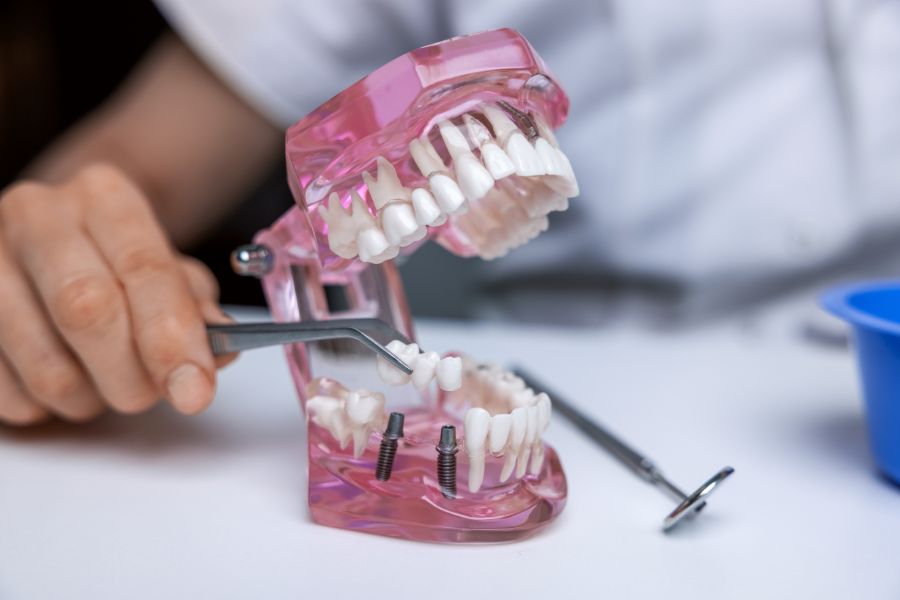
An implant-supported bridge works by securing a dental bridge onto titanium implants that are surgically placed into the jawbone. Here’s the basic process:
- Implant Placement: Titanium posts (implants) are inserted into the jawbone where the missing teeth once were. The bone and implant fuse together during a healing period of a few months.
- Bridge Attachment: Once the implants are fully integrated, a custom-made bridge is attached to the implants. This bridge fills the gap left by missing teeth, supported by the implants for stability and strength.
- Long-Term Benefits: The implants help preserve bone structure, prevent shifting of adjacent teeth, and provide a durable, functional solution for chewing and speaking.
Implant Bridge vs. Traditional Bridge: Key Differences
When choosing between an Implant Bridge Dental solution and a traditional bridge, it's important to understand their key differences. While both options are designed to replace missing teeth, they function in different ways and come with unique advantages. An implant bridge relies on titanium implants for support, while a traditional bridge depends on nearby healthy teeth for anchoring.
Advantages of an Implant Bridge
An implant bridge dental solution offers several significant benefits:
- Stability and Durability: Unlike traditional bridges, which may loosen over time, implant bridges are firmly anchored in the jawbone, offering long-lasting stability.
- Preservation of Bone: The implants help preserve the jawbone structure, preventing bone loss that often occurs after tooth loss.
- Improved Function: An implant-supported bridge functions like natural teeth, allowing better chewing, speaking, and overall comfort.
- No Damage to Adjacent Teeth: Since the implants act as the support structure, there's no need to alter surrounding healthy teeth, unlike traditional bridges.
When to Choose a Traditional Bridge Instead
In addition to implant-supported bridges, other Dental Bridge Types are available for different situations, for example a traditional bridge may be a better choice in certain situations:
- Limited Bone Density: If the jawbone isn’t dense enough to support implants, a traditional bridge may be recommended.
- Cost Considerations: Implant bridges can be more expensive, so a traditional bridge might be a more affordable option.
- Faster Treatment: Traditional bridges require less time to complete, especially when implants aren’t suitable.
The Process of Getting an Implant Bridge
Getting an Implant Bridge Dental involves several steps, from planning to final placement. The process ensures a secure and long-lasting restoration for missing teeth.
Step-by-Step Procedure
- Consultation and Planning: The dentist evaluates your oral health, takes X-rays, and creates a treatment plan tailored to your needs.
- Implant Placement: Titanium implants are surgically placed into the jawbone. A healing period of 3-6 months is needed for the implants to integrate with the bone.
- Bridge Design: Once the implants are secure, a custom bridge is created to match your natural teeth.
- Final Placement: The bridge is attached to the implants, completing the restoration.
Recovery and Aftercare
- Healing Time: After surgery, there may be some swelling and discomfort, but recovery typically takes a few months.
- Aftercare Tips: Follow the dentist’s advice on oral hygiene and avoid hard foods to ensure proper healing. Regular check-ups will ensure the implants are properly integrated.
When considering an Implant Bridge Dental solution, it's important to explore all available Dental Implant Options. Each patient's needs vary, and the best implant option depends on bone density, the number of teeth being replaced, and other factors.
Cost of an Implant Bridge: Is It Worth It?
The cost of an Implant Bridge Dental can vary based on factors like location, the number of implants needed, and the complexity of the procedure. While implant bridges tend to be more expensive upfront compared to traditional bridges, they offer long-term benefits like durability, bone preservation, and improved function, making them a worthwhile investment for many patients.
For those concerned about cost, it’s important to consider the long-term value, including fewer replacements and the preservation of oral health. Many patients also opt for cosmetic treatments like Teeth Whitening in Culver City to enhance their smile. Whitening can help achieve a brighter, more uniform appearance after the bridge is in place.
How Long Does an Implant Bridge Last?
An Implant Bridge Dental can last 10 to 15 years or longer with proper care. The titanium implants themselves are highly durable and can last a lifetime, while the bridge may need replacement due to wear over time. Regular dental check-ups, good oral hygiene, and avoiding habits like teeth grinding can help extend the lifespan of your implant bridge.
Conclusion: Is an Implant Bridge Right for You?
An Implant Bridge Dental solution offers numerous benefits, including stability, durability, and improved functionality. If you're missing multiple teeth, it could be a great option to restore your smile. However, it's important to consider factors like bone density, cost, and recovery time. To determine if an implant bridge is right for you, consult with a dental professional who specializes in Dental Implants Culver City or your local area for personalized advice.
Need help getting started? Our California-based offices in Culver City and Inglewood are ready to assist. Reach out by filling out the consultation form or calling 310-643-6221.



0 Comments