
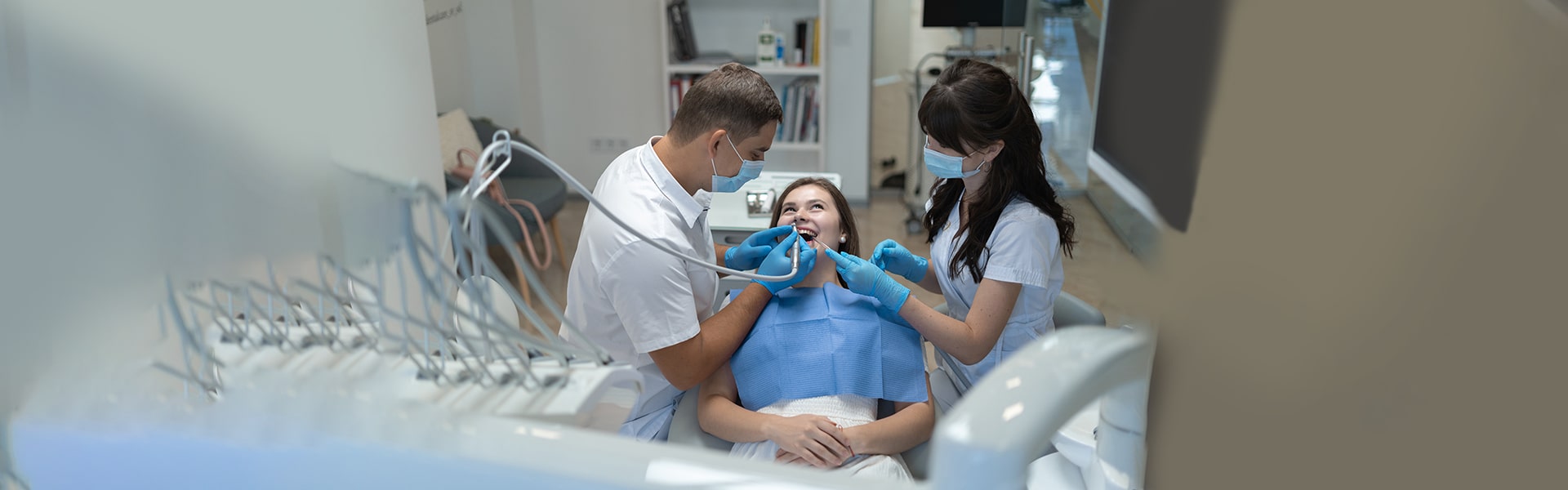
Most people recover from oral surgery within one to two weeks, though the exact timeline depends on the procedure. Soft tissue usually heals in 7 to 14 days, while deeper bone healing can stretch from several weeks to a few months. Pain and swelling tend to peak around day two or three, then ease off quickly. This guide maps out the full oral surgery recovery timeline, the healing stages your mouth moves through, how long pain and swelling really last, the foods that speed healing, and what to avoid so you bounce back faster. Here is what your recovery will actually look like.
Key Takeaways
- Soft tissue usually heals in 7 to 14 days, while full bone healing can take several weeks to a few months.
- Pain and swelling peak on day two or three, then improve steadily from there.
- The blood clot is everything in the first 24 to 48 hours, so protect it carefully.
- Eating soft, nutrient-rich foods and skipping straws, smoking, and vaping speeds healing.
- Dry socket risk is highest in the first three to five days after a tooth extraction.
- Dental implants need about three to six months to fully fuse with the bone underneath.
- Call your dentist for worsening pain after day three, heavy bleeding, fever, or pus.
How Long Does Oral Surgery Recovery Take?
Oral surgery recovery time depends mostly on which procedure you had and how invasive it was. A simple extraction can feel almost normal in a few days, while a bone graft or implant works on a much longer clock. As a rule, the surface you can see and feel heals long before the bone underneath finishes rebuilding.
Three things drive your personal timeline: the complexity of the surgery, your overall health, and your age. A healthy 25-year-old who follows aftercare instructions often heals faster than someone managing diabetes or a smoking habit, because both reduce blood flow to the wound. The table below shows typical ranges for the procedures we see most often.
| Procedure | Initial recovery | Full healing |
|---|---|---|
| Simple tooth extraction | 3 to 5 days | 1 to 2 weeks (soft tissue) |
| Surgical / impacted extraction | 5 to 7 days | 2 to 4 weeks |
| Wisdom teeth removal | 3 to 7 days | 1 to 2 weeks, bone longer |
| Gum graft | 1 to 2 weeks | 4 to 6 weeks |
| Dental implant placement | 1 to 2 weeks | 3 to 6 months to fuse |
| Bone graft | 1 to 2 weeks | 3 to 6 months |
Ask your surgeon which number actually matters for your plans. You may feel back to normal in a week, but if an implant is going on top, the clock that counts is the three-to-six-month fusion window, not how you feel.
Knowing the range is only half the picture. What helps most is understanding the stages your mouth moves through, because each one needs a different kind of care.
The Healing Stages After Oral Surgery
Understanding the oral surgery healing stages makes recovery far easier, because healing happens in three overlapping phases: the inflammatory phase, the proliferative phase, and bone remodeling. Each stage has a job, and matching your care to the current stage is the simplest way to heal faster.
Inflammatory Phase (Day 0 to 3)
A blood clot forms over the wound within the first hour and acts as the foundation for everything that follows. This is when swelling, soreness, and minor bleeding peak. Your only real jobs here are to protect that clot and keep swelling down with ice and rest.
Proliferative Phase (Day 3 to 14)
New gum tissue starts growing in to close the wound, and the worst of the pain and swelling fades. Most people feel noticeably better by the end of week one. Soft foods and gentle saltwater rinses support this stage without disturbing the new tissue.
Bone Remodeling (Weeks to Months)
Underneath the surface, bone slowly fills and strengthens the site. You will feel normal long before this finishes, which is exactly why people get into trouble. Here is what most patients miss: feeling fine is not the same as being healed, and biting into hard food too early can set you back.
With the stages clear, you can match them to a day-by-day plan for the part that worries people most: the first two weeks.

Your Oral Surgery Recovery Timeline, Day by Day
The first two weeks follow a predictable arc: rough at the start, a clear turning point around day three, and steady improvement after that. Use this as a general map, not a guarantee, since your procedure and health shift the pace.
First 24 hours
Bite gently on the gauze your surgeon gave you and change it as needed until bleeding slows to a light ooze. Rest with your head propped up on pillows, and apply ice to the outside of your cheek for about 20 minutes on and 20 minutes off. Do not rinse, spit forcefully, or use a straw, because the suction can pull out the clot.
Days 2 to 3
This is usually the hardest stretch. Swelling and soreness peak now, and many people notice bruising on the cheek or jaw. Keep icing, take pain medication as prescribed, and stay on soft, cool foods. The good news is that day three is almost always the turning point.
Days 4 to 7
Swelling drops, energy returns, and discomfort fades to a dull ache at most. Around the 48-hour mark, you can switch from ice to warm compresses, which help your body clear the leftover swelling. Gentle saltwater rinses after meals keep the area clean.
Week 2 and beyond
By the second week, gum tissue has largely closed, and most people are back to work, exercise, and a softer version of their normal diet. A patient we treated after an impacted surgical tooth extraction was comfortably eating pasta and eggs by day 10, even though the bone underneath kept remodeling for weeks. That gap between feeling healed and being healed is normal.
How Long Does Pain Last After Oral Surgery?
For most procedures, the sharpest pain after oral surgery lasts about three days, then drops off quickly. After a routine tooth extraction, noticeable pain usually fades within three to five days, and by the end of week one, most people no longer need prescription pain relief.
You might be thinking that more pain means something is wrong, but that is not always true. Pain that climbs day by day is the warning sign, not pain on day two. Discomfort that peaks early and then steadily improves is your body doing exactly what it should.
| When | What pain feels like | What to do |
|---|---|---|
| Day 1 to 2 | Moderate, throbbing as anesthesia wears off | Pain meds on schedule, ice, rest |
| Day 3 to 5 | Tapering ache, sensitive to touch | Step down to over-the-counter relief |
| Day 6 to 7 | Mild tenderness only | Most people stop pain meds |
| After day 7 | New or rising pain | Call your dentist, possible dry socket |
A sudden spike in pain three to five days after an extraction, often with a bad taste or visible empty socket, can mean dry socket, where the clot is lost too early. It is treatable, but it needs your dentist, not another painkiller.
Swelling after oral surgery
Swelling after oral surgery is normal and usually peaks 48 to 72 hours after surgery, then settles over the next 7 to 10 days. Ice during the first two days is the single most effective tool, followed by keeping your head elevated, even while you sleep. If swelling worsens after day three instead of improving, or comes with fever, that is worth a call.
Pain and swelling follow the same arc for everyone, but the timeline shifts depending on which surgery you had. Here is how the common ones compare.
Recovery by procedure: wisdom teeth, gum grafts, and implants
Recovery looks different depending on the surgery. A wisdom tooth sitting sideways under the gum is a bigger job than a loose tooth near the surface, and a gum graft heals on a different schedule than an implant. Here is what to expect for the three procedures patients ask about most.
Wisdom teeth recovery timeline
Most people recover from wisdom teeth removal in three to seven days, with full soft-tissue healing by one to two weeks. Expect the most swelling of any routine extraction, especially with impacted teeth, since the surgeon often has to open the gum and remove a little bone. The lower wisdom teeth usually take longer to settle than the upper ones.
Stick to liquids and very soft foods for the first two to three days, and keep up with the prescribed rinses. If your wisdom teeth removal involved stitches, they are often the dissolving kind and disappear on their own within a week or two.
Gum graft recovery
Gum graft recovery usually takes one to two weeks for the surface to feel comfortable, with the tissue fully maturing over four to six weeks. The donor area, often the roof of your mouth, can feel rawer than the graft site itself for the first few days. Avoid pulling your lip or cheek to inspect the area, since stretching the tissue slows healing.
Soft, lukewarm food and a careful brushing routine that skips the graft site protect the result. A gum graft is delicate work, so following the do-not-disturb rule matters more here than almost anywhere else.
Dental implant healing
The gum around a dental implant feels better within one to two weeks, but the implant itself needs three to six months to fuse with the bone in a process called osseointegration. That fusion is what lets the implant carry a crown, so the long wait is doing essential work even when nothing hurts. Patients with bone grafts added at placement should plan for the longer end of that range.
Whatever the procedure, the first 48 hours decide a lot. Protecting the clot and keeping swelling down early prevents the complications that turn a one-week recovery into a three-week one.
How do you feel after oral surgery?
Right after oral surgery, most people feel groggy, numb, and a little out of it, especially if sedation was used. The numbness from local anesthesia wears off over a few hours, and that is often when mild discomfort first shows up, so it helps to take your first dose of pain medication before it fully fades.
If you had sedation dentistry, expect to feel drowsy and unsteady for the rest of the day, which is why you need someone to drive you home and stay with you. Feeling tired, slightly swollen-faced, and low on energy for a day or two is completely normal. It is your body channeling resources into healing.
Emotionally, some people feel anxious or down in the first 48 hours, partly from the procedure and partly from medication and disrupted sleep. That usually lifts as the pain settles. What is not normal is feeling worse each day, spiking a fever, or struggling to breathe or swallow, all of which deserve a prompt call.
Once the fog clears, the fastest way to feel better is to feed your recovery the right way.
Foods that promote healing after oral surgery
The best foods after oral surgery are soft, cool or lukewarm, and rich in the nutrients your body uses to rebuild tissue: protein, vitamin C, vitamin A, and zinc. Soft texture protects the clot, while the right nutrients give the wound the raw materials to close faster.
For the first 24 to 48 hours, lean on smooth, no-chew options. As you move through the first week, you can add soft solids that still do not stress the site.
Best foods for the first few days
- Greek yogurt and cottage cheese for protein without chewing
- Blended soups and broths, served warm rather than hot
- Scrambled or soft-boiled eggs are an easy, complete protein
- Mashed potatoes, mashed sweet potatoes, and well-cooked oatmeal
- Smoothies with yogurt and soft fruit, eaten with a spoon, never a straw
- Mashed avocado and hummus for healthy fats and zinc
Add a vitamin C source like a blended kiwi or a little orange to your smoothie. Vitamin C supports collagen, which is the scaffolding your gums use to close the wound. Just keep citrus gentle if the area feels sensitive.
Knowing what to eat is only useful if you also know what sets healing back. Some habits do real damage in the first week.
What not to do after oral surgery
The fastest way to slow your recovery is to disturb the blood clot or starve the wound of oxygen. Most setbacks, including the dreaded dry socket, trace back to a short list of avoidable habits in the first few days.
- Do not use straws. The suction can pull the clot right out of the socket.
- Do not smoke or vape. Both cut oxygen to the wound and sharply raise dry socket risk, so skip them for at least 72 hours and ideally longer.
- Do not drink alcohol or rinse with alcohol-based mouthwash, since both irritate the site and slow healing.
- Do not eat crunchy, chewy, spicy, or very hot foods like chips, rice, nuts, or steak that can lodge in or burn the site.
- Do not poke the area with your tongue or finger, and do not spit or rinse forcefully for the first 24 hours.
- Do not do strenuous activity or heavy lifting for 48 to 72 hours, as raised blood pressure can restart bleeding.
You might be wondering when normal life resumes. The honest answer is gradually: most of these restrictions ease after the first three days, and by the end of week one, only the surgical site itself needs special care. When in doubt, give it another day.
Oral surgery aftercare tips for a faster recovery
Good oral surgery aftercare comes down to a handful of habits done consistently. None of the oral surgery recovery tips below are complicated, but skipping them is where slow recoveries begin. Follow these steps to heal as quickly as your body allows.
- Follow your surgeon's instructions exactly, since they are tailored to your specific procedure.
- Manage pain and swelling proactively with prescribed medication and ice, rather than waiting for pain to spike.
- Rest with your head elevated for the first two to three days, and arrange a ride home after sedation.
- Keep the area clean with gentle salt water rinses starting 24 hours after surgery, swishing softly.
- Eat soft, nutrient-rich foods and stay hydrated with water throughout the day.
- Protect the surgical site by not touching, brushing, or chewing directly on it for the first few days.
- Skip smoking, vaping, alcohol, and strenuous activity until your surgeon clears you.
- Keep your follow-up appointment so your dentist can confirm the site is healing on schedule.
Do these consistently, and you give yourself the best shot at the short end of every timeline in this guide. The last thing to know is when a normal recovery has tipped into something that needs attention.
When to call your oral surgeon
Some discomfort, swelling, and minor bleeding are expected. What is not expected are symptoms that worsen instead of improving after day three. Trust the trend line: steady improvement is healthy, while a reversal is your signal to reach out.
Contact your dentist promptly if you notice:
- Pain that increases after day three or sudden severe pain with a bad taste, which can signal dry socket
- Bleeding that soaks through gauze and will not slow after firm pressure for an hour
- Swelling that grows after day three, or a fever, which can point to infection
- Pus, a foul smell, or trouble breathing or swallowing
- Numbness that lasts well beyond the expected few hours
If something feels seriously wrong outside office hours, do not wait it out. Heavy bleeding, spreading swelling, or a high fever are reasons to seek emergency dental care the same day. Catching a complication early almost always means a simpler fix.
Need help getting started? Our California-based offices in Culver City and Inglewood are ready to assist. Reach out by filling out the consultation form or calling 310-643-6221.
Final Thought on Oral Surgery Recovery
Recovering from oral surgery is mostly about respecting the timeline your body sets, not rushing it. The surface heals in one to two weeks for most procedures, but the deeper work of bone healing can run for months, and the smartest patients care for the site long after it stops hurting.
Protect the clot in the first 48 hours, eat soft and nutritious food, skip straws and smoking, and watch the trend of your symptoms. Do that, and you give yourself the smoothest, fastest recovery your procedure allows. If anything strays from the path described here, your dental team would rather hear from you early than late.
Frequently Asked Questions About Oral Surgery Recovery
How soon can I eat after dental surgery?
Wait at least 24 hours before eating, and stick to soft, cool foods for the first few days to avoid irritating the surgical area.
How do I manage pain after dental surgery?
Take the prescribed pain medications as directed and use ice packs for the first 24-48 hours to reduce swelling and discomfort.
When can I return to normal activities after dental surgery?
Avoid strenuous activities for 48-72 hours. Gradually ease back into your routine as your healing progresses.
How many days does pain last after a tooth extraction?
For most people, the noticeable pain after a tooth extraction lasts about three to five days, then fades to mild tenderness. By the end of the first week, the great majority no longer need prescription pain relief. Pain that increases after day three, rather than easing, can signal dry socket and is worth a call to your dentist.
Can I vape after oral surgery?
No. Vaping after oral surgery is discouraged for the same reasons as smoking. The suction can dislodge the blood clot, and the chemicals reduce oxygen flow to the wound, both of which raise your risk of dry socket and slow healing. Wait at least 72 hours, and ideally longer, before vaping again.
How can I speed up oral surgery recovery?
The fastest recoveries come from protecting the clot, controlling swelling early with ice, eating soft and protein-rich foods, staying hydrated, and avoiding straws, smoking, and strenuous activity. Rest for the first two to three days and keep every follow-up appointment around it. There is no shortcut that beats consistent aftercare.



0 Comments