

Dental crowns restore strength, appearance, and function to damaged teeth. Understanding how long tooth crowns last helps you manage their durability and ensure long-term dental health. Typically, a well-made crown lasts 10 to 15 years or more, depending on factors like the material used, oral hygiene habits, bite pressure, and the overall health of the underlying tooth. Many patients seek guidance on maximizing the lifespan of their crowns. This guide covers typical longevity, factors affecting durability, and best practices for maintaining crowns.
Average Lifespan of Dental Crowns
On average, most dental crowns last between 10 and 15 years, although many patients keep their crowns for 20 years or longer when they maintain good oral hygiene and attend regular dental checkups. The longevity of a crown largely depends on the material used and the daily stresses placed on the tooth. Crowns are designed to cover and protect weakened or damaged teeth. Because they act as a protective cap, they absorb much of the pressure created when biting and chewing. Over time, however, normal wear, grinding, or underlying tooth problems can eventually weaken the crown or the tooth supporting it. Several long‑term clinical observations show that crowns placed on healthy teeth with strong foundations and good oral hygiene habits have significantly higher survival rates. In contrast, crowns may fail sooner if decay forms around the margin of the crown or if excessive biting pressure damages the restoration. Understanding the typical lifespan helps set realistic expectations and encourages preventive care that can extend the life of the restoration. For guidance on proper care and maintenance, many patients consult with local dental professionals experienced in dental crowns in Culver City.
Factors That Affect the Lifespan of a Dental Crown
While dental crowns are built to be durable, their lifespan is influenced by a number of biological and lifestyle factors. Understanding these factors helps patients protect their restoration and avoid premature failure.
- Oral hygiene: One of the most important factors is that plaque and bacteria can accumulate around the crown edge, causing decay. Maintaining daily brushing, flossing, and scheduling professional checkups greatly reduces this risk.
- Bite force and grinding: Night-time teeth grinding (bruxism) places extra stress on crowns, potentially causing cracks or loosening. Dentists often recommend night guards for protection.
- Crown location: Molars face heavier chewing forces than front teeth, affecting durability. Placement strategy should consider functional demands.
- Material choice: Some materials, like zirconia and metal, resist wear and fracture better than others, particularly in high-pressure areas.
- Dental placement skill and tooth health: Proper placement and a healthy underlying tooth are crucial. Compromised tooth structure from decay or fracture can shorten the crown's lifespan.

Which Type of Dental Crown Lasts the Longest?
Different types of crowns offer different balances between strength, durability, and aesthetics. In general, crowns made from metal or zirconia tend to last the longest because they are highly resistant to wear and fracture.
Gold crowns have historically shown some of the longest lifespans in dentistry. Their flexibility allows them to absorb biting pressure without cracking. However, their appearance makes them less popular for visible teeth.
Zirconia crowns have become increasingly popular because they combine strength with a more natural tooth‑like appearance. They are particularly suitable for back teeth where durability is essential.
Porcelain‑based crowns, including Emax and all‑ceramic crowns, are widely used for front teeth because they closely mimic the translucency of natural enamel. While slightly less durable than metal‑based crowns, they can still last many years when properly maintained.
Ultimately, the best crown type depends on the location of the tooth, aesthetic preferences, and the amount of biting pressure the restoration will face. How much of the tooth needs covering matters just as much, so it is worth reading partial crown vs full crown to see when a partial crown lasts as long as full coverage.
Lifespan of Different Dental Crown Materials
Different dental materials behave differently under pressure, temperature changes, and long‑term wear. Below is a closer look at how long each type of crown typically lasts.
Zirconia Crowns
Zirconia crowns are prized for their exceptional strength and resistance to fractures, making them ideal for molars where chewing forces are greatest. They can handle heavy biting and grinding without significant wear. With proper oral hygiene, routine checkups, and avoidance of very hard foods, zirconia crowns can last 15 to 20 years or more, providing a durable, long-term solution.
Emax Crowns
Emax crowns, made from lithium disilicate ceramic, offer both strength and superior aesthetics, closely resembling natural enamel. They are preferred for front teeth due to their translucency and natural look. With careful brushing, flossing, and regular dental visits, Emax crowns can last 10 to 15 years, balancing beauty and functionality.
Porcelain‑Fused‑to‑Metal Crowns
Porcelain‑fused‑to‑metal (PFM) crowns feature a strong metal core covered by a natural-looking porcelain layer, combining durability and appearance. They are suitable for both front and back teeth. Typically, PFM crowns last 10 to 15 years, though the porcelain may chip over time, especially if exposed to heavy biting or improper care.
All‑Porcelain Crowns
All‑porcelain crowns are highly aesthetic and excellent for visible teeth, providing a natural look without metal. They are slightly more fragile than metal-based crowns, but when placed on healthy teeth and maintained with proper oral hygiene, they can last 10 years or longer. Regular dental checkups help prevent fractures and ensure longevity.
Gold Crowns
Gold crowns are one of the most durable options, resisting cracks and excessive wear. Their flexibility absorbs biting forces effectively, making them particularly reliable for back teeth. Many gold crowns remain functional for 20 years or longer, though their metallic color usually limits them to non-visible areas.
Stainless Steel Crowns
Stainless steel crowns are primarily used as temporary solutions or in pediatric dentistry. They provide reliable short-term durability, protecting teeth until a permanent restoration can be placed. These crowns are not typically intended as long-term solutions for adult teeth but offer effective interim protection.
Long-Term Expectations for Each Crown Type
Each type of dental crown comes with its own balance of durability, strength, and aesthetic appeal. Understanding these differences can help patients make informed choices about which crown best suits their needs. The table below summarizes the long-term expectations for the most common crown types.
| Crown Type | Expected Lifespan | Strength | Aesthetics |
|---|---|---|---|
| Zirconia Crowns | 15–20+ years | Very High | Natural tooth-colored, highly durable |
| Emax (Lithium Disilicate) Crowns | 10–15 years | High | Excellent, very natural look, ideal for front teeth |
| Porcelain-Fused-To-Metal (PFM) Crowns | 10–15 years | High | Good, natural appearance, metal may show at the gumline over time |
| All-Porcelain Crowns | 10+ years | Moderate | Excellent cosmetic appearance, ideal for visible teeth |
| Gold Crowns | 20+ years | Extremely High | Low (metallic color), very durable, best for back teeth |
| Stainless Steel Crowns | Short-term / temporary | High (short term) | Low, functional, mainly used in pediatric dentistry |
How Long Do Crowns Last on Front Teeth vs Back Teeth?
The location of a crown within the mouth plays a significant role in how long it will last. Front teeth and back teeth experience very different levels of pressure and functional demands.
Front Teeth
Crowns on front teeth generally experience less biting force because these teeth are primarily used for cutting food rather than grinding it. As a result, crowns placed on front teeth may last longer, especially when made from high‑quality ceramic materials.
Because front teeth are highly visible, dentists often prioritize aesthetic materials such as porcelain or Emax when restoring them.
Back Teeth
Back teeth, including premolars and molars, endure the greatest chewing pressure. Crowns placed in these areas must withstand strong forces during daily eating.
For this reason, dentists often recommend stronger materials such as zirconia or metal‑based crowns for molars. Even though these crowns are built for durability, the increased chewing stress may shorten their lifespan slightly compared with crowns placed on front teeth.
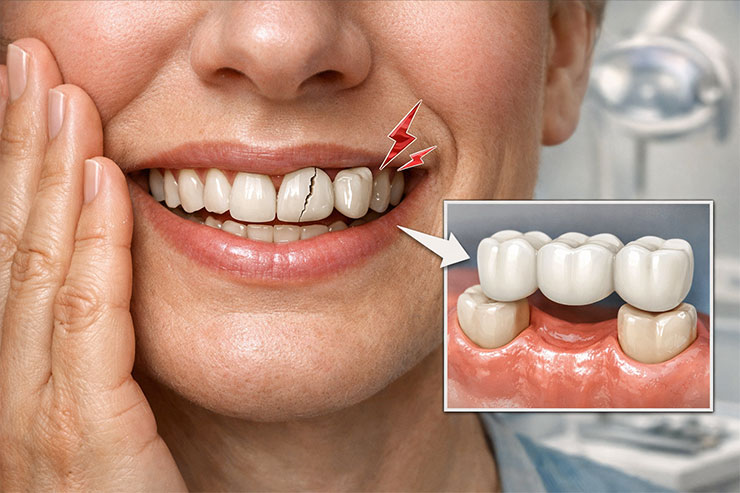
Why Some Dental Crowns Don’t Last as Long as Expected
Although crowns are designed to last many years, several problems can shorten their lifespan.
- Tooth decay beneath the crown: Bacteria accumulating around the crown margin can slowly damage the natural tooth structure underneath.
- Teeth grinding (bruxism): Repeated stress from grinding may crack the crown or loosen the cement holding it in place.
- Poor oral hygiene: Can lead to gum disease and plaque buildup around the crown, weakening surrounding tissues and compromising the restoration.
- Accidents or trauma: Biting hard objects or facial injuries can fracture a crown unexpectedly.
- Dental evaluation necessity: When any of these issues occur, a professional assessment is required to determine whether the crown can be repaired or needs replacement.
Tips for Maximizing the Lifespan of Your Dental Crown
To maximize the lifespan of dental crowns, patients can follow these practical steps:
- Maintain excellent daily oral hygiene: Brush twice a day and floss carefully around the crown margins to prevent bacteria buildup.
- Schedule regular professional cleanings: Services like Culver City dental cleanings remove plaque and tartar that home care can't reach.
- Protect crowns from grinding: Use a night guard if you grind your teeth to prevent cracking or loosening.
- Avoid chewing hard objects: Refrain from biting ice, pens, or hard candy that can damage both crowns and natural teeth.
- Consistent preventive care: Following these habits helps many patients extend their crowns' lifespan well beyond the average.
When a Dental Crown Needs Replacement
Even the strongest dental crowns may eventually need replacement due to normal wear, changes in the underlying tooth, or damage. Signs such as cracks, looseness, discomfort, or gum recession can indicate it’s time for a new crown. In cases where the tooth cannot support another crown, alternatives like dental bridges in Inglewood provide a natural solution. Regular dental checkups help monitor crown condition and address issues early, keeping your smile healthy and functional.
Need help getting started? Our California-based offices in Culver City and Inglewood are ready to assist. Reach out by filling out the consultation form or calling 310-643-6221.
Conclusion
Dental crowns play a vital role in restoring strength, function, and appearance to damaged teeth, with their longevity influenced by material, placement, and oral care habits. Zirconia and gold crowns offer maximum durability, while porcelain-based options provide excellent aesthetics for front teeth. Proper oral hygiene, managing bite forces, protecting against grinding, and regular dental checkups all contribute to extending a crown’s lifespan. By following preventive care practices and addressing issues early, patients can ensure their crowns remain strong, functional, and visually appealing for many years.
FAQs
How often should crowns be replaced?
Most crowns last between 10 and 20 years, depending on material, oral hygiene, and bite habits. Replacement is needed when there is damage, decay, or discomfort.
How long do temporary crowns last?
Temporary crowns are designed to last a few weeks to a few months until the permanent crown is placed.
Will I need a root canal before getting a dental crown?
A root canal is only necessary if the tooth is infected or severely damaged; not all crown placements require it.
Do crowns on front teeth last as long as back teeth crowns?
Front teeth crowns are under less chewing pressure and may last slightly longer, but material and care play a larger role.



0 Comments