

A dental bridge is a reliable solution for replacing missing teeth, but like any dental restoration, it can face issues over time. Whether you're experiencing discomfort, looseness, or gum problems, dental bridge problems can impact your oral health. Understanding how to prevent and treat these issues will help ensure your bridge stays functional and comfortable for years to come. Keep reading to learn essential tips on how to care for your dental bridge and when to seek professional help.
What Are the Most Common Dental Bridge Problems, And How Can You Fix Them?
If you have a dental bridge or are considering one, you might wonder what kinds of problems can arise and how to handle them. From looseness and discomfort to gum disease or sensitivity, dental bridges can face various challenges over time. But with the right care and attention, most of these issues are preventable. In this article, we’ll explore the most common dental bridge problems and show you practical ways to keep your bridge strong and comfortable for years.
Common Dental Bridge Problems
Dental bridges are a popular solution for replacing missing teeth, but like all dental treatments, they come with their own set of challenges. Some of the most common problems associated with dental bridge problems include discomfort, wear, and issues related to the surrounding teeth and gums. These problems can often be prevented with proper care, but it's important to be aware of potential risks. Regular dental visits and good oral hygiene are essential to prolong the life of your bridge and avoid complications.
Loose or Fallen Bridge
A loose or fallen dental bridge is one of the most common problems that can occur. This usually happens when the supporting teeth weaken or if the cement used to secure the bridge fails. Factors like gum disease, decay, or trauma to the mouth can contribute to this issue. If your bridge becomes loose, it's crucial to see a dentist as soon as possible. A loose bridge can cause discomfort, shift in position, and, in the worst case, lead to the bridge falling out entirely.
Tooth Sensitivity Around a Bridge
Tooth sensitivity around a dental bridge is often a sign of an issue with the underlying tooth or the bridge itself. This can occur if the tooth beneath the bridge has suffered decay, or if the bridge isn't fitting properly. Sensitivity to hot, cold, or pressure can indicate that the tooth is exposed to the elements, or that there’s a gap between the bridge and the tooth. Visiting a dentist to adjust the bridge or treat any underlying issues will help resolve this problem.
Gum Disease Under a Dental Bridge
Gum disease under a dental bridge is a serious concern that can compromise both the bridge and the surrounding teeth. The area beneath the bridge can trap plaque and bacteria, leading to inflammation and infection in the gums. If left untreated, gum disease can cause the bridge to become loose or fail. Additionally, a Cavity Under A Bridge can further worsen the condition, as the decay can spread to the supporting teeth. Maintaining good oral hygiene, including flossing under the bridge, and visiting your dentist for regular checkups can help prevent gum disease and keep your bridge in place.
Pain and Discomfort with a Bridge
Pain and discomfort with a dental bridge can stem from several sources, including an improper fit, irritation to the gums, or sensitivity in the underlying teeth. In some cases, the bridge may cause pain due to pressure on the gums or teeth, especially if there’s a misalignment. It's important to address any discomfort early on to avoid further complications. Your dentist can make adjustments to ensure the bridge fits comfortably and resolves any pain issues.
Why Your Bridge Might Fail
There are several reasons why a dental bridge might fail over time. The most common reasons include the deterioration of the supporting teeth, gum disease, and wear and tear. Bridges can also fail if they become loose or damaged due to accidents or poor oral hygiene. If you notice that your bridge feels loose or uncomfortable, or if you experience pain or discomfort, it’s crucial to see a dentist promptly to prevent failure. Regular maintenance and proper care can extend the life of your bridge significantly.
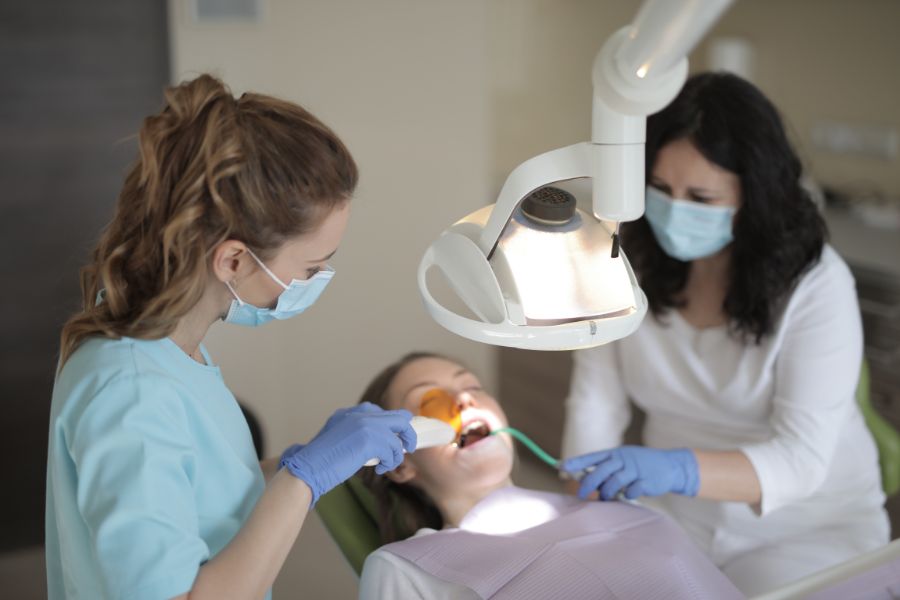
Preventing Dental Bridge Problems
To keep your dental bridge in top condition and avoid complications, consider these essential tips:
- Maintain good oral hygiene: Brush your teeth twice a day, floss around the bridge, and use mouthwash to reduce plaque buildup.
- Avoid hard foods: Hard or sticky foods can damage the bridge, causing it to loosen or break.
- Regular dental checkups: Visiting your dentist regularly ensures any potential problems with your bridge are detected early.
- Address discomfort immediately: If your bridge feels uncomfortable or loose, don't wait to consult your dentist.
Additionally, if you experience discomfort, you can learn more about Why Does My Dental Bridge Feel Uncomfortable? to understand what may be causing the issue and how to address it quickly.
When to Seek Professional Help
It’s important to seek professional help if you're experiencing any signs of permanent dental bridge problems. Ignoring these issues can lead to further complications, including damage to the surrounding teeth and gums. Regular checkups and timely intervention can ensure your dental bridge lasts longer and functions properly. Here are some common questions to consider:
Can dental bridges last forever?
While dental bridges are designed to be durable, they do not last forever. Over time, wear and tear, changes in your oral health, and aging can lead to the need for repair or replacement. With proper care and regular dental visits, however, a bridge can last many years.
How to care for a dental bridge to avoid problems?
Caring for your dental bridge involves brushing and flossing daily, avoiding hard or sticky foods, and visiting your dentist regularly. Proper care ensures the longevity of your bridge and helps you avoid common issues like gum disease, decay, or discomfort.
What causes a dental bridge to fail?
Several factors can contribute to a dental bridge failure, including poor oral hygiene, gum disease, the deterioration of supporting teeth, or accidents. It’s essential to keep up with oral hygiene and have your dentist check your bridge regularly.
Is it possible to repair a loose dental bridge?
Yes, a loose dental bridge can often be repaired. Your dentist will evaluate the cause of the looseness and may re-cement or replace the bridge depending on the damage. Seeking help early prevents further damage to your teeth or gums.
For more information on keeping your dental bridge in top condition, visit dental bridges in Culver City.
Conclusion
Taking proper care of your dental bridge is essential to prevent common issues and ensure its longevity. Regular dental visits, maintaining excellent oral hygiene, and addressing problems early can help you avoid permanent dental bridge problems and keep your smile intact for years to come. If you’re ever in doubt or experiencing discomfort, don’t hesitate to consult with a professional to keep your dental bridge in optimal condition.
Need help getting started? Our California-based offices in Culver City and Inglewood are ready to assist. Reach out by filling out the consultation form or calling 310-643-6221.



0 Comments