

Bad breath, medically known as halitosis, can be an embarrassing and frustrating issue to deal with. If you’re a dental bridge wearer, you might wonder if your prosthetic is contributing to the problem. The truth is, while a dental bridge itself doesn’t directly cause bad breath, poor maintenance and underlying dental issues might be the culprits. In this blog post, we’ll explore how to manage and prevent bad breath related to dental bridges.
Understanding Dental Bridges and Their Maintenance
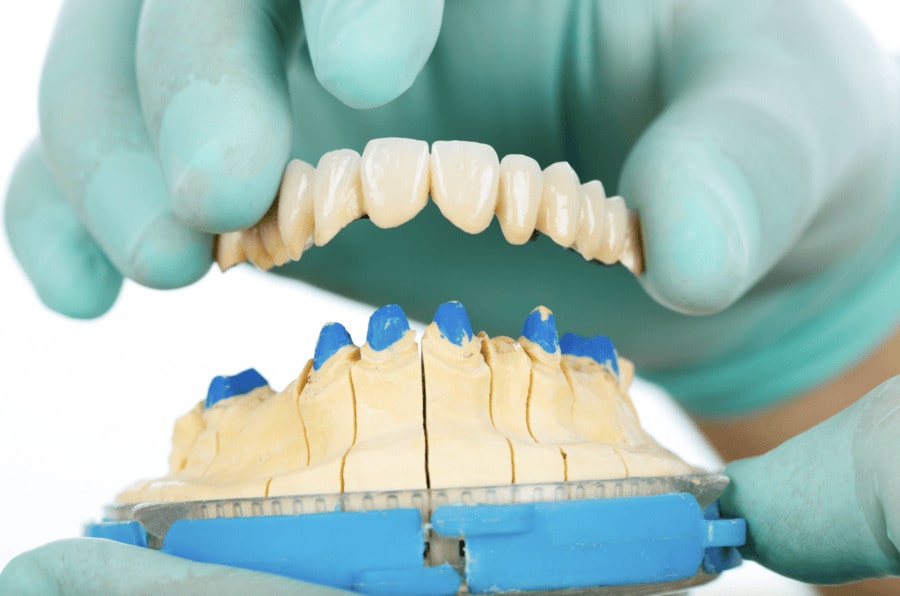
A dental bridge is a fixed prosthetic device designed to replace one or more missing teeth. While they’re a fantastic solution for restoring functionality and appearance, dental bridges require diligent care to ensure they don’t harbor bacteria that can lead to bad breath.
Dr. Emily Torres, a dentist specializing in restorative care, notes: “A dental bridge acts like natural teeth in many ways. However, food particles and plaque can easily get trapped underneath or around it, creating an environment for bacterial growth if not cleaned properly.”
Why Dental Bridges Might Contribute to Bad Breath
Several factors can cause or worsen halitosis in dental bridge wearers:
- Food Trapping: Small particles of food can lodge under the bridge, leading to bacterial buildup if not removed promptly.
- Poor Oral Hygiene: Inadequate brushing and flossing can allow plaque to accumulate around the bridge and surrounding teeth.
- Gum Disease: Inflamed gums around the bridge can emit a foul odor and exacerbate bad breath.
- Dry Mouth: Saliva is essential for washing away food debris and bacteria. A lack of saliva can make it easier for bacteria to thrive.
Preventing Bad Breath with a Dental Bridge
Addressing bad breath begins with maintaining excellent oral hygiene and taking proactive steps to prevent bacterial buildup. Here are some tips:
1. Brush Thoroughly and Consistently
Brushing at least twice a day with fluoride toothpaste is crucial. Pay extra attention to cleaning around the bridge. Consider using an electric toothbrush for a deeper clean.
2. Floss and Use Interdental Brushes
Traditional floss might not suffice for cleaning under a dental bridge. Use a floss threader or interdental brushes to reach difficult areas.
A patient named Lisa shared her experience: “Switching to a floss threader made a huge difference. I could finally clean under my bridge properly, and my bad breath issues improved significantly.”
3. Rinse with Antibacterial Mouthwash
Antibacterial mouthwashes can help reduce bacteria in the mouth and freshen breath. Opt for alcohol-free options to avoid drying out your mouth.
4. Stay Hydrated
Drinking plenty of water throughout the day helps stimulate saliva production and rinse away debris and bacteria. Chewing sugar-free gum can also promote saliva flow.
5. Schedule Regular Dental Checkups
Routine dental visits are essential for monitoring the health of your bridge and addressing any underlying issues. During these appointments, your dentist can clean areas you might miss and check for signs of gum disease or decay.
When to See a Dentist About Bad Breath
If you’ve followed proper hygiene practices and still struggle with persistent bad breath, it’s time to consult your dentist. Chronic halitosis might indicate an issue beyond your dental bridge, such as:
- Infections or abscesses
- Gum disease
- Other underlying medical conditions
The Impact of Bad Breath on Daily Life
Bad breath can take a toll on your confidence and interactions with others. John, a long-time dental bridge wearer, shared: “I used to feel so self-conscious about my breath. Once I started paying attention to how I cleaned my bridge, it made a world of difference.”
Expert Opinions and Insights
According to the American Dental Association (ADA), maintaining good oral health is key to preventing bad breath. They recommend brushing with a fluoride toothpaste, flossing daily, and visiting your dentist regularly as part of a comprehensive care routine.
Final Thoughts
Bad breath related to dental bridges is a manageable issue with proper care and attention. By maintaining excellent oral hygiene, staying hydrated, and seeking professional dental care, you can enjoy the benefits of your bridge without worrying about halitosis. Remember, fresh breath starts with a clean bridge! For more information about maintaining your dental bridge in Culver City, visit our page on dental bridges in Culver City.
If you’re experiencing persistent bad breath or have questions about your dental bridge, don’t hesitate to contact a trusted dental professional.
As Dr. Torres wisely puts it: “Good oral health is the foundation of a confident smile and fresh breath.”
FAQ: Dental Bridges and Bad Breath
Can bad breath mean my dental bridge is failing?
Not necessarily. However, persistent bad breath might signal a problem with the bridge’s fit or underlying gum health. Consult your dentist if you’re concerned.
What tools should I use to clean my bridge?
Invest in a floss threader, interdental brushes, and an antibacterial mouthwash. Your dentist may also recommend a water flosser for thorough cleaning.
How often should I replace my dental bridge?
The lifespan of a dental bridge is typically 5-15 years, depending on care and materials. Regular dental visits ensure it remains functional and hygienic.
Need help getting started? Our California-based offices in Culver City and Inglewood are ready to assist. Reach out by filling out the consultation form or calling 310-643-6221.



0 Comments