

When facing the challenge of a missing tooth, choosing the right replacement option is crucial for both function and appearance. A dental bridge for missing tooth offers a reliable, effective solution that restores your smile and chewing ability without the need for surgery. Understanding how dental bridges work and their benefits can help you make an informed decision to regain confidence and oral health.
Types of Dental Bridges
Dental bridges are a reliable solution for replacing missing teeth, but choosing the right type depends on your unique dental condition. Here’s an in-depth look at the main types of dental bridges to help you understand their benefits and applications.
Traditional Dental Bridge
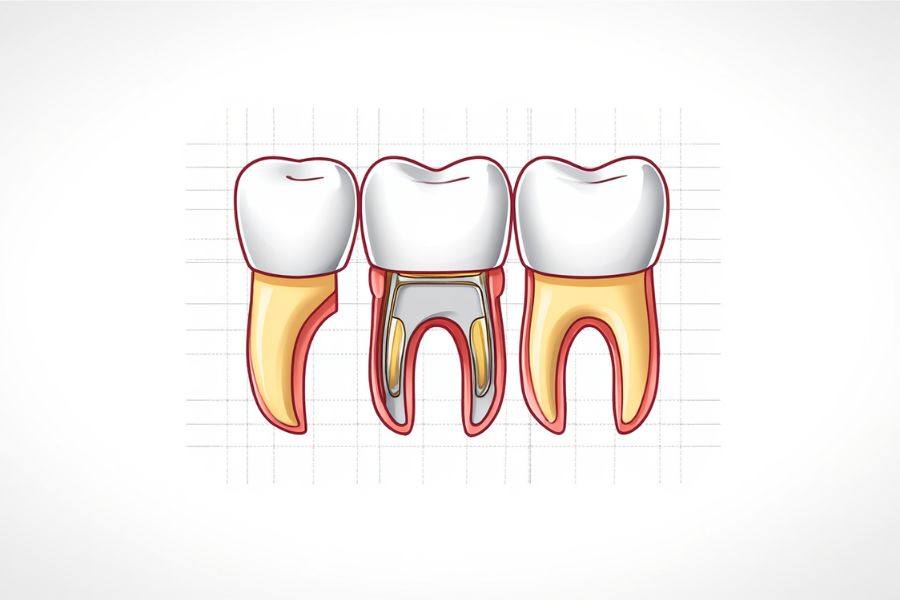
The traditional dental bridge is the most widely used type. It consists of a false tooth called a pontic that is held in place by dental crowns attached to the adjacent natural teeth. This type offers strong durability and is ideal when you have healthy teeth on both sides of the gap. The crowns protect the neighboring teeth and provide solid support, restoring chewing function and appearance effectively.
Cantilever Bridge
Cantilever bridges are used when there is only one natural tooth next to the missing tooth, which acts as the anchor. This bridge type extends the false tooth from that single adjacent tooth, making it less stable than a traditional bridge. Dentists usually recommend this option for areas with less biting force, such as the front teeth, to avoid excessive stress on the anchor tooth.
Maryland (Resin-Bonded) Bridge
The Maryland bridge, or resin-bonded bridge, is a more conservative option that preserves more of the natural tooth structure. It uses a metal or porcelain framework bonded to the back of adjacent teeth with resin cement. While less invasive and faster to place, this type is not as durable under heavy chewing forces and is best suited for replacing front teeth where the bite pressure is lower.
Implant-Supported Bridge
Implant-supported bridges are anchored by dental implants instead of natural teeth, providing superior stability and durability. This option is excellent for patients missing several teeth in a row or those who want to avoid grinding down healthy adjacent teeth. However, implant placement requires adequate jawbone density and a surgical procedure, followed by healing time before the bridge can be attached.
For a deeper understanding of each option and what might work best for you, check out our detailed guide on Different Dental Bridge Types.
Who Is a Good Candidate for a Dental Bridge?
Choosing the right dental restoration depends on several factors, including your overall oral health and personal needs. Dental bridges offer an effective solution for many patients, but understanding who benefits most can help you make the best decision for your smile.
Bone Health and Surrounding Teeth
Good bone density in the jaw and healthy adjacent teeth are essential for supporting a dental bridge, especially for traditional and cantilever types. Since these bridges rely on neighboring teeth for anchorage, those teeth must be strong enough to withstand additional pressure. If the surrounding teeth are weakened or if there’s significant bone loss, other options like implants might be more suitable.
When a Bridge Is Preferred Over Implants
Dental bridges are often preferred when patients are not candidates for dental implants due to insufficient bone, medical conditions, or financial considerations. Bridges offer a quicker and less invasive solution without the need for surgery. Additionally, if you want to avoid the longer healing time associated with implants, a bridge can restore function and aesthetics more rapidly while still providing a durable replacement.
Considering a permanent solution for multiple missing teeth? Learn more about full mouth dental implants in Inglewood, CA.
The Dental Bridge Procedure Step-by-Step
Understanding the dental bridge procedure helps patients prepare mentally and physically for the treatment. Here’s a detailed look at each stage involved in getting a dental bridge.
Tooth Preparation and Impressions
This step sets the foundation for a well-fitting dental bridge:
- Enamel Reduction: The teeth adjacent to the gap are carefully reshaped by removing a small amount of enamel to create space for the crowns that will support the bridge.
- Assessing Tooth Health: Before reshaping, the dentist evaluates the strength and health of the supporting teeth to ensure they can handle the added pressure.
- Taking Impressions: Precise molds of your teeth and gums are taken to create a custom bridge that matches your bite and fits seamlessly.
- Shade Selection: The dentist chooses a color for the bridge that closely matches your natural teeth, ensuring a natural appearance.
Temporary Bridge and Final Placement
Once the teeth are prepared, these steps follow to protect your mouth and finalize the bridge:
- Fitting a Temporary Bridge: A temporary bridge is placed to protect the prepared teeth, maintain spacing, and allow you to eat and speak normally while waiting for the permanent bridge.
- Waiting Period: The permanent bridge is fabricated in a dental lab, which usually takes a couple of weeks.
- Trial Fitting: The temporary bridge is removed, and the permanent bridge is tested for fit, bite, and comfort.
- Final Cementation: After confirming proper fit and appearance, the permanent bridge is cemented securely in place with dental adhesive.
- Post-Procedure Care: The dentist provides instructions on how to care for your new bridge to ensure its longevity and maintain oral health.
Pros and Cons of a Dental Bridge
Choosing the right solution for a missing tooth is crucial for your oral health and confidence. A dental bridge is a popular option that offers both functional and aesthetic benefits. However, like any dental treatment, it comes with its own set of advantages and potential drawbacks. Understanding these can help you make an informed decision about whether a dental bridge is the best choice for your needs.
Benefits of Choosing a Bridge
A dental bridge for missing tooth offers several advantages:
- Restores your smile quickly and effectively
- Helps maintain the natural shape of your face
- Prevents remaining teeth from shifting out of place
- Improves chewing and speaking abilities
- Usually less invasive and quicker than implants
- Custom-made to match your natural teeth for better aesthetics
Potential Drawbacks and Risks
Despite its benefits, dental bridges have some limitations:
- Requires alteration of adjacent healthy teeth for support
- May have a shorter lifespan compared to implants, needing replacement every 5-15 years
- Risk of decay or gum disease around supporting teeth if hygiene is not maintained
- Possible discomfort or sensitivity after placement
- Bridges do not prevent bone loss in the jaw where the tooth is missing
How Much Does a Dental Bridge Cost?
Understanding the cost of a dental bridge is important before making your decision. The price can vary widely based on several factors that influence the overall expense. Knowing what affects pricing will help you plan better and avoid surprises.
Factors That Affect Pricing
Several elements contribute to the final cost of a dental bridge:
- Type of bridge (traditional, cantilever, Maryland, implant-supported)
- Materials used for the bridge and crowns.
For more detailed information about different materials that impact cost and quality, see our guide on Dental Bridge Materials. - Location and complexity of the procedure
- Number of teeth involved in the bridge
- Dentist’s experience and clinic location
Insurance and Financing Options
Many dental insurance plans cover part of the cost of dental bridges, but coverage varies. It’s important to check your specific policy for benefits related to tooth replacement. Additionally, many dental offices offer financing plans or payment options to help make treatment more affordable.
Caring for Your Dental Bridge
Proper care of your dental bridge is essential to ensure its longevity and maintain your overall oral health. With the right habits and precautions, you can enjoy the benefits of your dental bridge for many years.
Oral Hygiene Tips
Proper oral hygiene is crucial to keep your dental bridge and surrounding teeth healthy. Follow these daily practices to maintain cleanliness and prevent complications:
- Brush your teeth at least twice a day with a soft-bristled toothbrush and fluoride toothpaste.
- Use floss threaders or interdental brushes to clean under and around the dental bridge daily.
- Rinse your mouth with an antibacterial mouthwash to reduce plaque buildup.
- Schedule regular dental check-ups and professional cleanings to maintain oral health.
- Avoid using abrasive toothpaste that can damage the bridge surface.
- Be gentle when brushing around the bridge to prevent loosening or damage.
Foods to Avoid
To protect your dental bridge, avoid hard, sticky, or chewy foods that can damage or dislodge it. Examples include hard candy, nuts, chewing gum, and caramel. Cutting tough foods into smaller pieces and chewing slowly can also reduce stress on the bridge.
How Long Do Dental Bridges Last?
With proper care, dental bridges typically last between 5 to 15 years. Factors like oral hygiene, diet, and routine dental visits affect their lifespan. If you notice any discomfort, loosening, or damage, contact your dentist promptly to prevent further issues.
Alternatives to a Dental Bridge
If a dental bridge isn’t the ideal option for you, there are other effective solutions to replace missing teeth. Understanding these alternatives can help you make an informed decision based on your needs, preferences, and oral health.
Dental Implants
Dental implants are a popular and durable solution for tooth replacement. These are titanium posts surgically inserted into the jawbone, where they fuse with the bone over time to provide a strong, permanent foundation for crowns or dentures. Unlike bridges, implants do not rely on neighboring teeth for support, which helps preserve their integrity. Implants also help maintain jawbone density, preventing bone loss that can occur after tooth loss.
Partial Dentures
Partial dentures are removable dental appliances designed to replace one or several missing teeth. They consist of artificial teeth set on a gum-colored base and are often secured with metal clasps that attach to natural teeth. Partial dentures are typically more affordable than implants or bridges and can be a good option for patients who have multiple missing teeth or want a less invasive treatment. Although removable, they provide improved chewing function and aesthetics.
Conclusion: Is a Dental Bridge Right for You?
A dental bridge can be an effective and practical solution for replacing missing teeth, especially if you want to restore your smile quickly without surgery. It offers good functionality and aesthetics but requires healthy adjacent teeth for support. Considering your oral health, budget, and lifestyle will help determine if a dental bridge is the best option for you.
For expert advice and personalized treatment about dental bridge for missing tooth, don’t hesitate to schedule a consultation with us. Learn more about our dental bridge in Culver City services and take the first step toward restoring your smile today.
FAQs
How long does a dental bridge last on average?
Typically, dental bridges last 5 to 15 years with proper care.
Does getting a dental bridge hurt?
The procedure is usually painless with local anesthesia; some sensitivity may occur afterward.
Can I replace a missing tooth without implants?
Yes, options include dental bridges and partial dentures as effective alternatives.
Need help getting started? Our California-based offices in Culver City and Inglewood are ready to assist. Reach out by filling out the consultation form or calling 310-643-6221.



0 Comments