
Have you ever wondered if dental bonding is truly safe? Some people swear by it, while others worry, saying, “Bonding ruined my teeth.” But is that really the case?
Dental bonding is a popular and affordable way to fix minor imperfections, but like any procedure, it has its pros and cons. While it doesn’t damage healthy enamel, improper care or poor application can lead to issues like staining or chipping over time. So, should you worry about bonding? Let’s break down the facts, clear up common myths, and explore the best ways to maintain a bonded smile.
What is Dental Bonding?
Dental bonding is a popular cosmetic procedure that can improve the appearance of teeth by repairing chips, cracks, and gaps. It involves the application of a tooth-colored resin material to the surface of the teeth, which is then hardened with a special light. The result is a seamless, natural-looking smile.
How Bonding Works
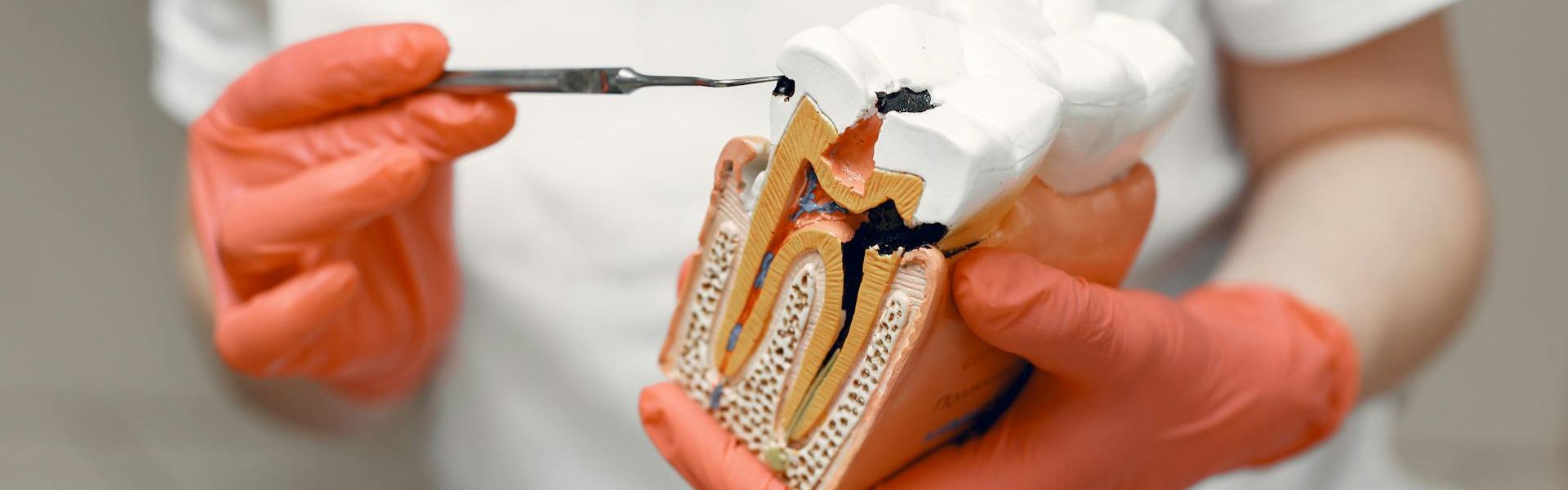
During a dental bonding procedure, the dentist will first roughen the surface of the tooth to ensure the bonding material adheres properly. The resin is then applied and sculpted to match the natural contours of the tooth. After shaping, the material is hardened with a UV light, creating a durable bond with the tooth.
What Materials Are Used?
Dental bonding uses a composite resin material that is both durable and aesthetically pleasing. Some key aspects of the materials include:
- Color-matching: The resin is carefully color-matched to your natural tooth to ensure a seamless appearance.
- Flexibility: The composite resin is flexible and can be easily molded to the desired shape.
- Durability: While not as strong as natural tooth enamel, it provides adequate strength for minor cosmetic repairs.
- Affordability: Compared to other cosmetic treatments like veneers or crowns, dental bonding is a more affordable option for many patients.
Can Bonding Ruin Your Teeth?
Dental bonding is a popular choice for enhancing the appearance of teeth, but some people worry about potential long-term effects. While bonding is generally safe, there are myths and misconceptions about the procedure. Let’s clear up the facts and discuss how dental bonding can affect your teeth.
Common Myths About Dental Bonding
One common myth is that “bonding ruined my teeth!” This is typically not the case if the procedure is done correctly by a qualified dentist. In reality, dental bonding is a minimally invasive procedure that involves little to no alteration of the natural tooth structure. Most patients experience no issues, but like any dental treatment, results depend on proper application and care.
Does Bonding Weaken Your Enamel?
Dental bonding does not weaken your tooth enamel. While the procedure involves slightly roughening the surface of your teeth to help the bonding material adhere, this does not remove or damage enamel. In fact, the composite resin adds a protective layer to the tooth’s surface. However, it is important to avoid chewing on hard objects or using your bonded teeth for tasks other than chewing food, as this could cause damage over time.
For those concerned about enamel loss, dental bonding can be an excellent option to repair or restore weakened enamel. Learn more about how dental bonding can repair enamel loss easily and protect your smile.
Can Bonding Cause Tooth Sensitivity?
Some people may experience mild tooth sensitivity after dental bonding, particularly if the tooth was previously sensitive or the bonding material was placed near the gumline. In some cases, this may even appear as a blood blister in the mouth, which is usually harmless but should be monitored. This sensitivity usually subsides after a few days. If it persists or becomes uncomfortable, it’s essential to talk to your dentist to ensure there are no complications.

Common Problems with Bonding
While dental bonding is a great solution for improving the appearance of your teeth, it’s not without its potential drawbacks. Let’s explore some of the common problems that can arise and how to manage them.
Chipping and Staining Over Time
Dental bonding is made from a resin material that can be prone to chipping or staining over time, especially if you consume foods and drinks that are high in tannins or acids, such as coffee or wine. However, with proper care and maintenance, these issues can be minimized. Regular touch-ups can help keep your bonding looking fresh and functional.
When Bonding Needs Replacement
While dental bonding can last for several years, it’s not permanent. Over time, the material can wear down, chip, or discolor, which may require replacement. If you notice any visible damage or your bonded teeth aren’t as functional as before, it’s a good idea to visit your dentist for an evaluation.
How to Properly Maintain Bonded Teeth
To prolong the life of your bonded teeth and maintain their appearance, follow these simple tips:
- Brush and floss regularly to keep plaque and bacteria at bay.
- Avoid biting down on hard objects like pens or ice to prevent chips or cracks.
- Schedule regular dental checkups for professional cleaning and touch-ups.
- Use a mouthguard if you grind your teeth at night to avoid unnecessary wear on the bonding material.
For a more in-depth look at the advantages and disadvantages of dental bonding, check out The Pros and Cons of Dental Bonding to help you make an informed decision.
Alternatives to Dental Bonding
While dental bonding is a great option for cosmetic and minor restorative dental work, other treatments may offer better durability or aesthetics depending on your needs. Let’s compare some common alternatives.
We’re here to repair and restore your smile. Start your journey with a trusted restorative dentist in Inglewood.
Veneers vs. Bonding
Both veneers and dental bonding can enhance the appearance of your teeth, but they differ in materials, durability, and application process:
- Veneers: Thin porcelain or composite shells that cover the front of teeth, offering a more permanent and stain-resistant solution. However, they require some enamel removal and are more expensive than bonding.
- Dental Bonding: Uses composite resin to repair or reshape teeth with minimal enamel removal. It’s a more affordable option but may require more frequent touch-ups.
If you're looking for a long-term solution with superior stain resistance and durability, veneers might be a better choice. However, for minor fixes and a budget-friendly option, bonding is a great alternative.
Composite vs. Porcelain Bonding
Dental bonding can be done with two main materials: composite resin and porcelain. Here’s how they compare:
Composite Bonding:
- More affordable and quicker to apply.
- Matches natural tooth color but may stain over time.
- Easier to repair if chipped or damaged.
Porcelain Bonding:
- More durable and stain-resistant than composite.
- Offers a more natural, translucent appearance.
- Typically requires a longer process and higher cost.
Choosing between these options depends on your budget, aesthetic goals, and long-term expectations. Your dentist can help determine the best fit for your smile.
Conclusion: Should You Worry About Bonding?
Dental bonding is a safe, effective, and affordable solution for improving the appearance of your teeth. While some concerns exist such as chipping, staining, or eventual replacement proper care and maintenance can help extend its lifespan. For many, bonding provides an easy way to enhance their smile without invasive procedures.
If you’re considering bonding but want a professional opinion, explore your options with Cosmetic Bonding in Culver City to see if it’s the right choice for you. A consultation with a skilled dentist can help you achieve the best results for your smile.
FAQs
Does dental bonding damage your natural teeth?
No, dental bonding is a minimally invasive procedure and does not damage your enamel when done properly by a qualified dentist.
How long does composite bonding last?
Composite bonding typically lasts between 3 to 7 years, depending on your oral habits and maintenance.
Can bonded teeth become stained over time?
Yes, bonded teeth can stain, especially with regular consumption of coffee, tea, or wine. However, proper care and occasional touch-ups can keep them looking fresh.
Need help getting started? Our California-based offices in Culver City and Inglewood are ready to assist. Reach out by filling out the consultation form or calling 310-643-6221.


0 Comments