
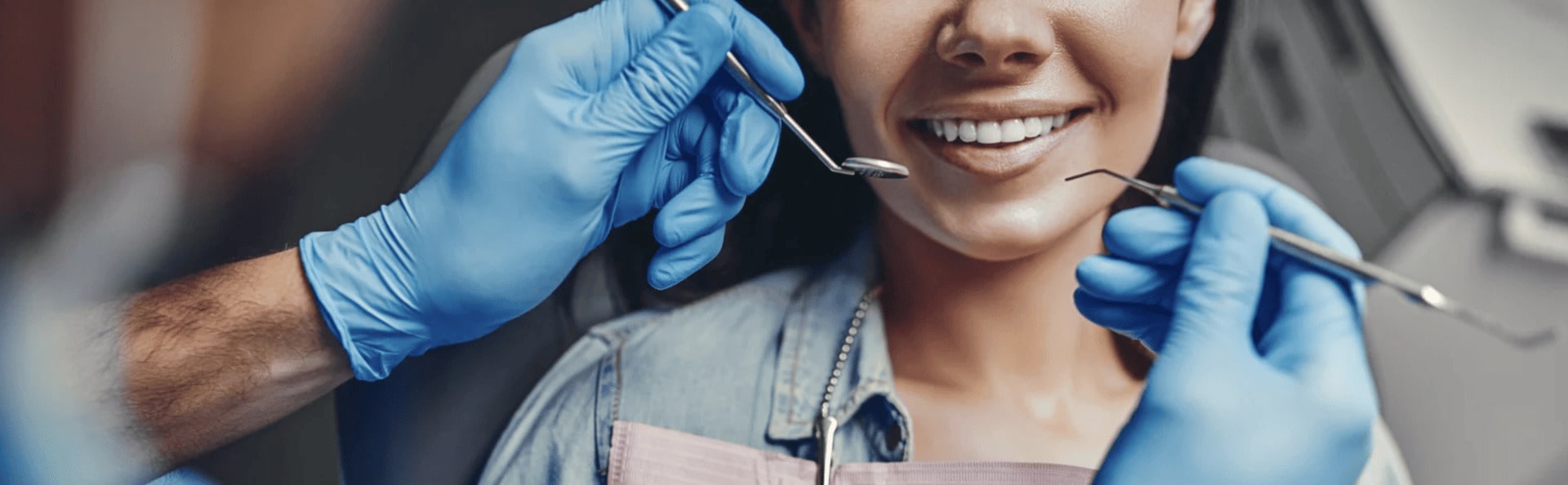
Cleaning is an essential part of maintaining hygiene and health in various aspects of life. In dental care, different types of cleaning methods serve specific purposes. In this guide, we will explore three crucial types of dental cleaning: Prophylaxis Cleaning, Deep Cleaning, and Preventive Dental Maintenance.
1.Prophylaxis Cleaning
Prophylaxis cleaning, also known as a routine dental cleaning, is a preventive procedure performed by a dental professional to remove plaque, tartar, and stains from teeth. This type of cleaning is essential for maintaining oral hygiene and preventing dental issues.
Key Features of Prophylaxis Cleaning:
- Frequency: Recommended every six months
- Purpose: Prevents cavities, gum disease, and bad breath
- Procedure: Removal of plaque and tartar, polishing of teeth
- Tools Used: Ultrasonic scaler, hand instruments, polishing paste
Benefits of Prophylaxis Cleaning:
- Removes surface stains and brightens teeth
- Prevents gum disease by eliminating plaque and tartar buildup
- Helps detect early signs of dental problems
- Maintains fresh breath and overall oral health
Prophylaxis cleaning is a routine procedure that plays a vital role in keeping teeth and gums healthy.
Read more : The Importance of Regular Teeth Cleaning

2. Deep Cleaning with Scaling and Root Planning
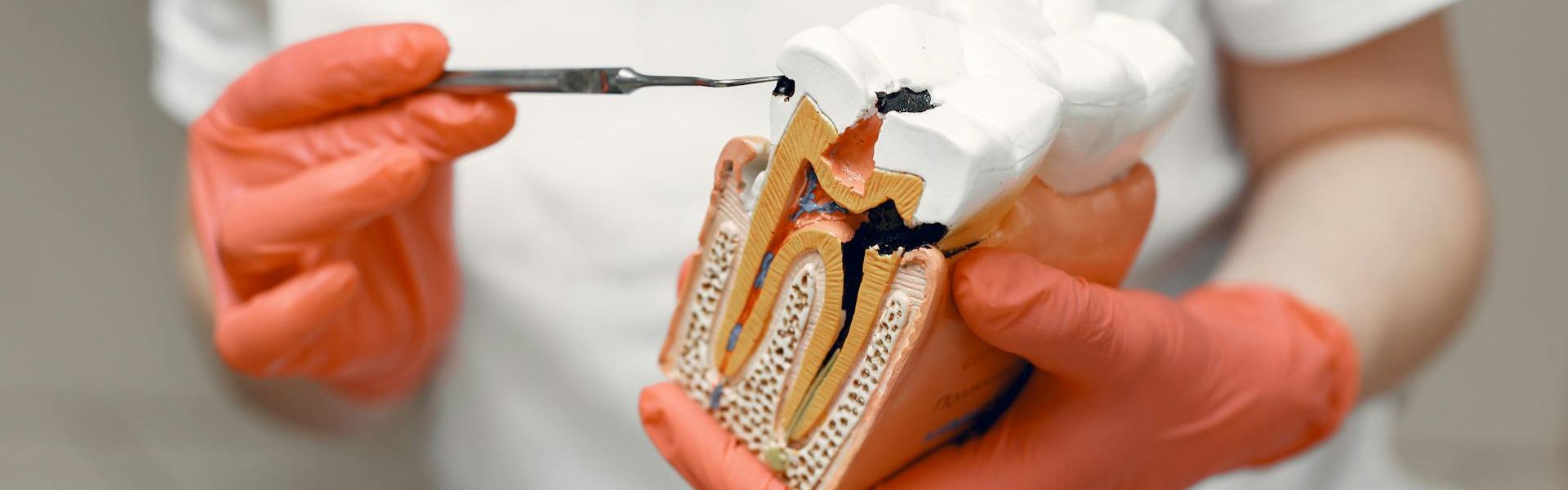
Deep cleaning is a more intensive form of dental cleaning, specifically used to treat gum disease. It involves scaling and root planing, which remove plaque and tartar from below the gumline and smooth the tooth roots to prevent bacteria from accumulating again.
What is Deep Cleaning in Dentistry?
Deep cleaning in dentistry consists of two key steps:
- Root Planing: Smoothing out the roots of the teeth to prevent bacteria buildup.
- Scaling: The process of removing plaque and tartar from teeth surfaces and beneath the gums.
When is Deep Cleaning Necessary?
Deep cleaning is typically recommended for patients showing signs of gum disease, such as:
- Bleeding gums
- Persistent bad breath
- Gum recession
- Swollen or tender gums
Benefits of Dental Deep Cleaning:
- Prevents gum disease progression
- Reduces inflammation and bleeding gums
- Eliminates bacteria buildup below the gumline
- Enhances overall oral health
Deep cleaning helps maintain long-term dental health and prevents complications like periodontitis.
Read More: How Often Should Patients Have Dental Exams and Cleanings?
3.Preventive Dental Maintenance
Preventive dental maintenance focuses on regular care and checkups to keep teeth and gums healthy. Unlike deep cleaning, which treats existing issues, preventive maintenance is about preventing problems before they start.
Key Elements of Preventive Dental Maintenance:
- Routine Dental Checkups: Visiting a dentist at least twice a year.
- Professional Cleanings: Removing plaque and tartar buildup that brushing alone cannot remove.
- Fluoride Treatments: Strengthening enamel to prevent cavities.
- Dental Sealants: Protecting teeth from decay, especially in children.
- Proper Oral Hygiene Practices: Brushing twice daily and flossing regularly.
Give your child a healthy start with dental sealants in Inglewood. It’s one of the easiest ways to prevent cavities.
Why is Preventive Dental Maintenance Important?
- Detects early signs of dental issues
- Prevents cavities and gum disease
- Saves money by avoiding expensive treatments
- Promotes overall health and well-being
Regular preventive dental maintenance ensures strong, healthy teeth and minimizes the risk of oral diseases.
Read More: When Do You Become Prone To Periodontal Cleanings?
Conclusion
Understanding different types of cleaning helps in maintaining both personal and environmental hygiene. Regular hyper cleaning keeps spaces clean and germ-free, deep cleaning with scaling and root planning addresses serious dental issues, and preventive dental maintenance ensures long-term oral health. By incorporating these cleaning methods into daily routines, individuals can promote a healthier lifestyle and a cleaner environment.
For a healthy home, workplace, and smile, it is essential to follow proper cleaning techniques suited to specific needs. Whether it’s keeping your living space spotless, preventing dental problems, or undergoing a deep dental cleaning when needed, maintaining hygiene plays a crucial role in overall well-being.
FAQs
1. How often should I do regular hyper cleaning?
It depends on the environment, but daily or multiple times per week is ideal for maintaining cleanliness.
2. Is deep cleaning painful?
Deep cleaning may cause mild discomfort, but local anesthesia is often used to minimize pain.
3. How often should I visit the dentist for preventive maintenance?
Visiting a dentist at least twice a year is recommended for optimal oral health.
Need help getting started? Our California-based offices in Culver City and Inglewood are ready to assist. Reach out by filling out the consultation form or calling 310-643-6221.


0 Comments