

You’re probably eager to return to your routine if you’ve recently undergone a tooth extraction in culver city. However, if smoking is part of that routine, it’s crucial to understand the impact it can have on the healing process. In this article, we’ll explore the reasons why you should refrain from smoking after a tooth extraction, what happens during the crucial 72 hours post-extraction, and when it’s safe to resume smoking. Let’s delve into the details.
What Happens If I Smoke After Tooth Extraction?
Smoking introduces a cocktail of harmful chemicals into your mouth, including nicotine and tar. These substances can harm the healing process after a tooth extraction. Nicotine, in particular, constricts blood vessels, reducing blood flow to the surgical site. This diminished blood flow hinders the delivery of essential nutrients and oxygen, slowing the healing process and increasing the risk of complications.
What Happens 72 Hours After Tooth Extraction?
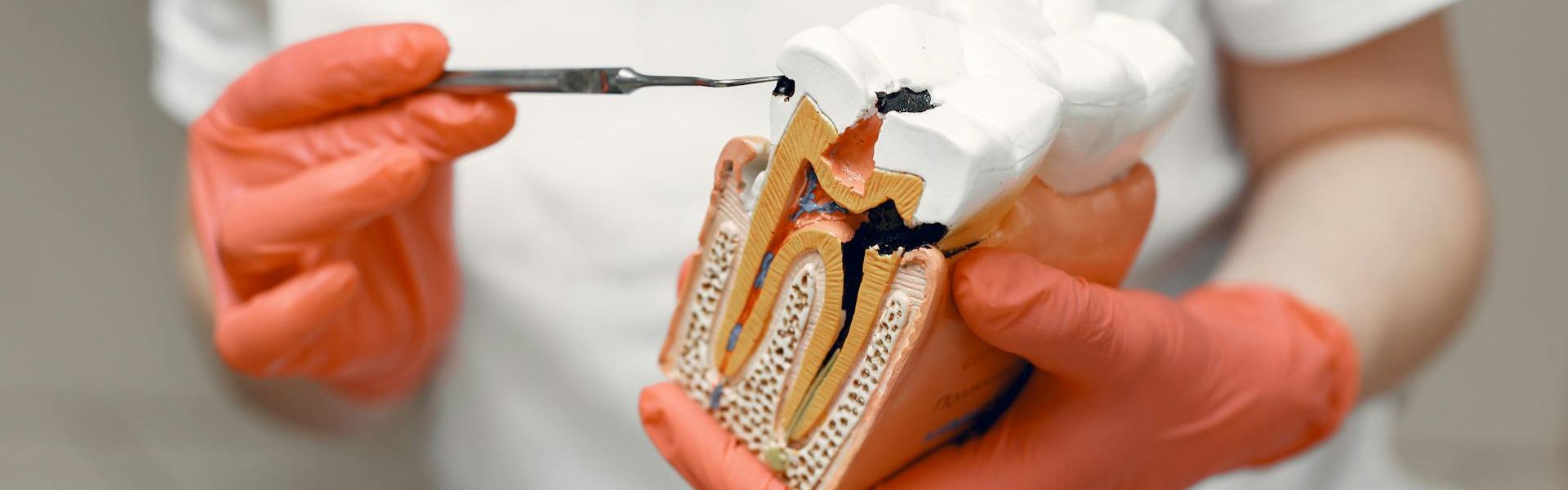
The first 72 hours after tooth extraction are critical for forming a blood clot a protective layer covering the site. Smoking during this period poses a significant risk of dislodging the blood clot, leading to a condition known as a dry socket. A dry socket occurs when the bone and nerves in the extraction site are exposed, causing severe pain and delaying healing.
Considering sleep apnea treatment? Visit Toothopia Dental in Culver City, Inglewood, or El Segundo for expert care that helps restore restful sleep and protect your long-term health.
Smoking After Molar Extraction
Molar extractions often involve larger teeth with deeper roots, making the healing process even more delicate compared to other types of extractions. Smoking after a molar extraction can significantly increase the risk of complications, especially dry socket, due to the greater trauma to the surrounding bone and tissue. Because molars are located toward the back of the mouth, it’s easier for suction and smoke to disturb the surgical site. Smokers should take extra care and extend their smoke-free period well beyond 72 hours, as advised by their dental provider.
Safest Way to Smoke After Tooth Extraction
While the safest option is to avoid smoking entirely during the recovery period, some patients inquire about less harmful methods. If you absolutely must smoke, wait at least 72–96 hours post-extraction and avoid creating strong suction when inhaling. Using nicotine patches during this time may help manage cravings without exposing the surgical site to smoke. Always rinse gently with a saltwater solution afterward to minimize bacterial buildup. However, these measures do not eliminate risk consult your Culver City dentist before resuming any smoking habits.
Does Smoking Slow Down Healing After Tooth Extraction?
Yes, smoking can significantly slow down the healing process after a tooth extraction. Beyond the risk of dry sockets, smoking compromises the body’s ability to fight infection. The heat and chemicals from smoke can irritate the surgical site, leading to inflammation and a higher chance of postoperative infections. A compromised immune response can prolong the recovery period and increase discomfort.

When Can I Smoke Normally After Tooth Extraction?
It’s best to abstain from smoking for at least 72 hours after a tooth extraction. This allows the blood clot to form and the initial stages of healing to take place. However, it’s important to consult your dentist in Culver City, CA, as individual healing times may vary. Your dentist will provide personalized advice based on the extraction’s complexity and overall health.
Can Dry Socket Heal While Smoking?
Continuing to smoke after the extraction significantly impedes the healing of the dry socket. The exposed bone and nerves require a protective environment to heal, and smoking disrupts this process. To maximize the chances of successful healing, it’s crucial to adhere to your dentist’s recommendations and avoid smoking until you receive the green light.
Why Are Tooth Extractions Different For Smokers?
Tooth extractions can be more complex for smokers due to several factors that affect both the healing process and overall oral health. Understanding these differences is essential for patients who smoke, as it can influence their treatment plan and post-operative care.
Visit Your Nearest Dental Clinic For Tooth Extraction
Choosing the right dental clinic for your tooth extraction is paramount in Culver City, CA, or anywhere else. If you are in the 90232 area, our expert dentists are a trusted name for surgery and emergency tooth extraction. The experienced team at Toothopia Dental is dedicated to providing top-notch care, ensuring a smooth and successful tooth extraction process.
In conclusion, while the temptation to resume your regular habits, such as smoking, maybe strong after a tooth extraction, it’s crucial to prioritize your oral health. Understanding the potential consequences and adhering to your dentist’s guidelines, you’ll contribute to a smoother and speedier recovery. Remember, the key to a successful post-extraction period is patience and a commitment to following your dentist’s advice. Your oral health is worth it!
Frequently Asked Questions
Why is smoking harmful after a tooth extraction?
Smoking can impede healing by reducing blood flow and increasing the risk of complications, such as dry socket.
How long should I avoid smoking after a tooth extraction?
It's recommended to avoid smoking for at least 72 hours post-extraction to promote proper healing.
What are the risks of smoking too soon after the procedure?
Smoking can cause increased pain, delayed recovery, and a higher likelihood of infection or dry socket, which can prolong discomfort and healing time.
Need help getting started? Our California-based offices in Culver City and Inglewood are ready to assist. Reach out by filling out the consultation form or calling 310-643-6221.


0 Comments