

Dental bonding is quite a common cosmetic dental procedure used to restore and enhance the appearance of teeth. This procedure encompasses the application of a tooth-colored resin material onto the tooth surface, which is subsequently solidified using a specialized light, bonding the material to the tooth. Although dental bonding is resilient and can endure for numerous years, it may necessitate upkeep or renewal as time progresses. This blog discovers the signs that indicate your dental bonding needs attention, discusses the benefits of repairing versus replacing dental bonding, and offers valuable insights to help you make a correct decision about your oral health.
What Signs Indicate Your Dental Bonding Needs Attention?
- Discoloration or staining: Over time, dental bonding can undergo discoloration or staining, particularly when exposed to food and drinks known to stain teeth, for example, coffee, tea, or red wine.
- Chipping or cracking: Small chips or cracks may develop in the bonding material, particularly if you bite down on hard objects or experience trauma to the tooth.
- Rough or uneven texture: If you notice rough patches or irregularities on the surface of the bonded tooth, it may indicate wear or damage to the bonding material.
- Sensitivity to temperature changes: Increased sensitivity to hot or cold foods and beverages may indicate that the bonding material has worn thin or compromised.
- Receding gums: Receding gums can expose the margins of the bonding material, leading to an unsightly appearance and increased risk of decay.
Regular check-ups with your dentist for cosmetic bonding maintenance can help resolve these issues early on.
Read More: what is teeth bonding
How Does the Age of Your Dental Bonding Affect Your Decision?
The age of your dental bonding can influence whether it needs to be repaired or replaced. As bonding ages, it may become more prone to wear and tear, thus resulting in issues such as discoloration, chipping, or lifting from the tooth surface. Additionally, changes in oral habits or dental hygiene practices can accelerate the deterioration of bonding over time. If your bonding is several years old and showing signs of wear, it may be time to consider a replacement.
What Are the Advantages of Repairing vs. Replacing Dental Bonding?
- Cost-effectiveness of repairs: Repairing minor issues with teeth bonding can be more affordable than replacing the entire bonding.
- Longevity of replacement: While repairs may address immediate concerns, replacing the bonding provides a fresh, durable surface that can last for years with proper care.
- Aesthetics and functionality: New bonding replacements provide enhanced aesthetics and functionality in contrast to older, worn bonding, restoring the tooth’s natural appearance and functionality.
How Does Dental Bonding Wear Over Time and Impact Oral Health?
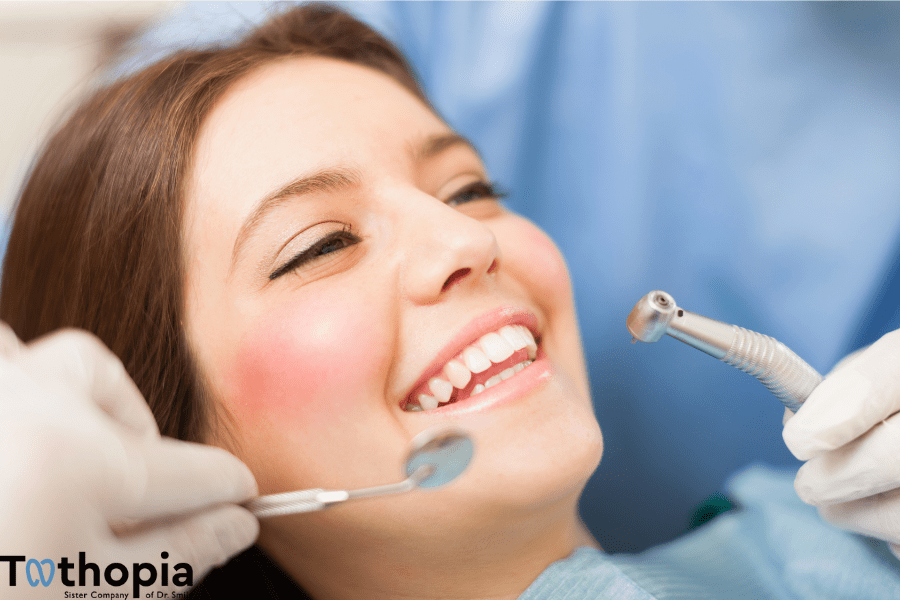
Regular wear and tear from everyday activities, including eating, speaking, and brushing, can gradually degrade dental bonding. Excessive wear may lead to roughness, erosion, or even detachment of the bonding material from the tooth surface. While bonding is durable, it is not as resilient as natural tooth enamel and may require maintenance or replacement to ensure optimal oral health.
Can the Original Purpose of Your Dental Bonding Influence Your Decision?
The initial purpose of the dental bonding can also play a part in determining whether to repair or replace it. For example, if the bonding was primarily used for cosmetic enhancement and has minor imperfections, repairs may be sufficient to address the issues. However, if the bonding was intended for structural repair or to address functional concerns, replacement may be necessary to ensure the long-term integrity and stability of the tooth.
What Are the Latest Advancements in Dental Bonding Materials?
Modern dental bonding materials have advanced significantly in recent years, offering improved durability, aesthetics, and biocompatibility. Advances in adhesive technology and composite resins have resulted in bonding materials that closely mimic the natural appearance and strength of tooth enamel. These materials are also more resistant to staining and wear, providing long-lasting results for patients. If you are considering dental bonding near you, inquire about these modern options for enhanced dental care.
Are There Any Risks Involved in Teeth Bonding Procedures?
Teeth bonding is a safe and minimally invasive procedure, but like any dental treatment, it does come with some risks. While the process is generally painless, some patients may experience temporary sensitivity or discomfort after the bonding is applied, especially if enamel was removed. Additionally, dental bonding can chip or stain over time, especially if you consume staining foods or beverages or engage in habits like biting hard objects. However, with proper care and regular dental check-ups, the risks can be minimized, making bonding a reliable solution for enhancing your smile.
Unsure Whether to Repair or Replace Your Dental Bonding? Schedule Your Appointment
Don’t let uncertainty hold you back from achieving your dream smile. Arrange a consultation with Toothopia Dental today to get expert guide on whether to repair or replace your dental bonding. Our skilled team will assess and evaluate your specific needs, discuss your alternatives, and guide you toward the best decision for your oral well-being. Take the initial step towards getting a brighter, more confident smile – book your appointment now!
Need help getting started? Our California-based offices in Culver City and Inglewood are ready to assist. Reach out by filling out the consultation form or calling 310-643-6221.
Conclusion
Deciding about whether to repair or replace your dental bonding requires careful consideration of various factors, including the condition of the bonding, your oral health, and your aesthetic preferences. By staying well-informed and seeking professional guidance from a dentist in Culver City, you can make confident decisions to maintain a healthy, beautiful smile for years.
Frequently Asked Questions
Is teeth bonding painful?
Teeth bonding is generally painless and doesn’t require anesthesia unless it’s being used to fill a cavity or repair a damaged tooth.
Can teeth bonding damage my natural teeth?
Teeth bonding doesn't harm your natural teeth, but it can wear down over time. Proper care is essential to prevent chipping or discoloration.
Does bonding increase tooth sensitivity?
Some people may experience slight sensitivity after bonding, especially if enamel is removed, but this usually subsides quickly.



0 Comments