
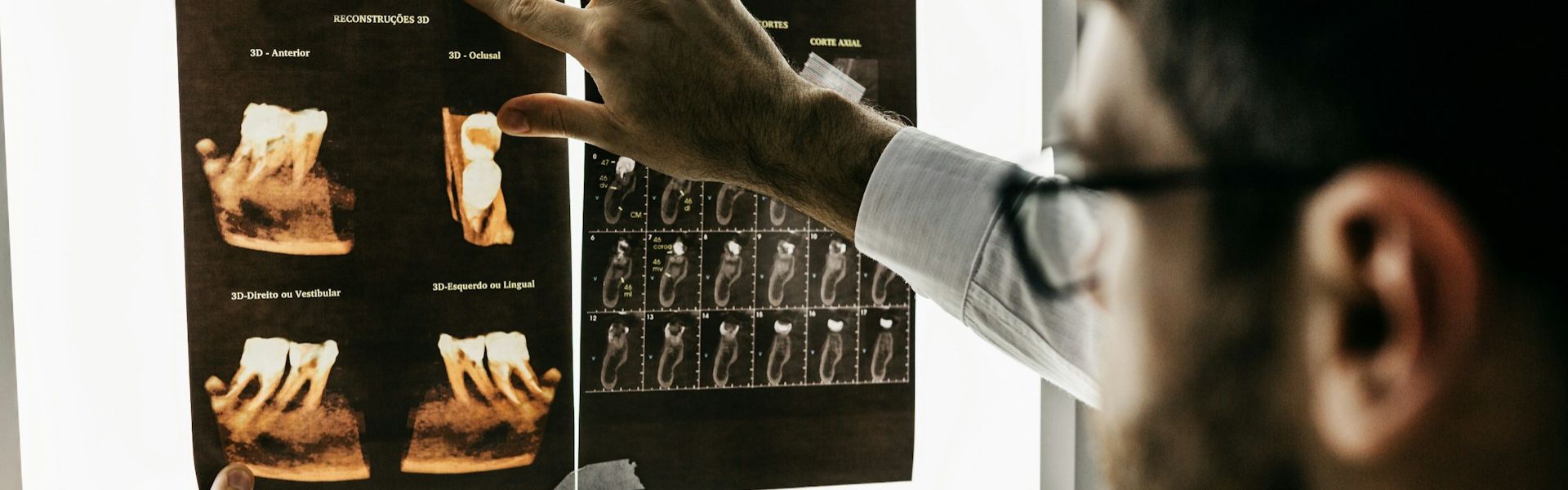
Dental X rays are an essential diagnostic tool in modern dentistry, helping detect issues that are invisible during a routine exam. They provide critical insights into the health of your teeth, roots, jawbone, and surrounding tissues. Understanding how X-rays work, their safety, and when they are needed can help you feel more confident about this important part of your dental care.
What Are Dental X-Rays and Why Are They Important?
Dental X-rays are imaging tools that capture detailed pictures of your teeth, roots, jawbone, and surrounding oral structures that cannot be seen during a regular dental examination. By providing a clear view beneath the surface, X-rays help dentists detect hidden problems such as tooth decay between teeth, infections in the bone, impacted wisdom teeth, cysts, tumors, and changes in bone density.
These images are essential for early diagnosis and treatment planning, allowing dental professionals to address issues before they cause pain or more extensive damage. Regular dental X-rays contribute significantly to maintaining long-term oral health by enabling timely interventions and preventing complications.
Types of Dental X-Rays and What They Reveal
There are several types of dental X rays, each designed to capture different views and details of your teeth and jaw. Understanding the purpose of each type can help you appreciate how dentists use them to diagnose various dental conditions and plan treatments effectively.
Bitewing X-Rays
Bitewing X-rays are the most common type used during routine dental checkups. They show the upper and lower back teeth in a single view, focusing on the crowns and the areas where teeth touch each other. This makes them especially useful for detecting cavities between teeth and assessing bone levels around the teeth, which can indicate gum disease. Bitewings are quick, require minimal radiation, and provide essential information for preventive care.
Panoramic X-Rays
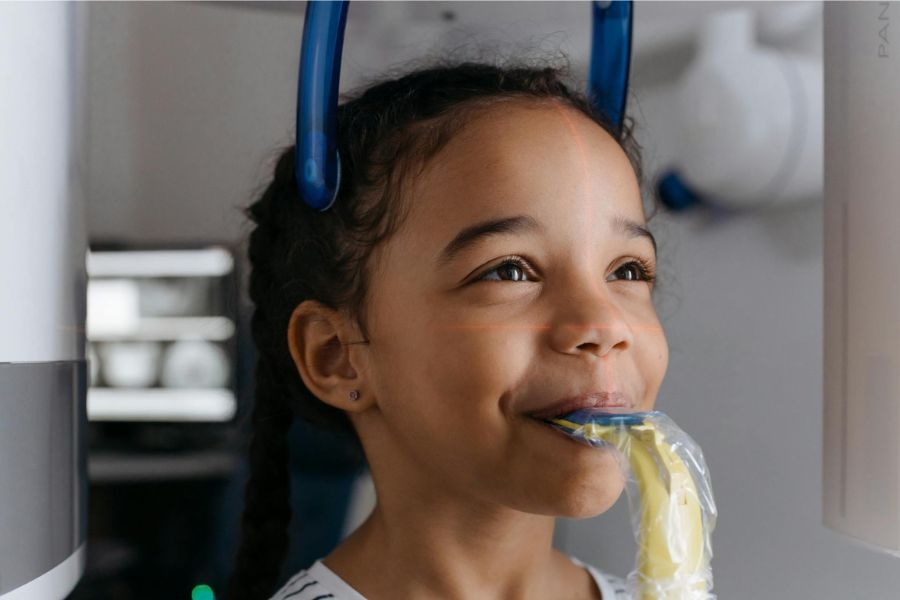
Panoramic X-rays capture a broad, sweeping view of the entire mouth, including all teeth, both jaws, the sinuses, and the jaw joints (TMJ). This type of image helps dentists evaluate the overall structure of the mouth and identify issues such as impacted wisdom teeth, jawbone abnormalities, cysts, tumors, and fractures. Panoramic X-rays are often used for treatment planning in orthodontics, oral surgery, and implant placement due to their comprehensive perspective.
Cone Beam CT Scans
Cone Beam Computed Tomography (CBCT) scans are advanced 3D imaging techniques that provide highly detailed views of dental structures, soft tissues, nerve pathways, and bone. Unlike traditional 2D X-rays, CBCT scans allow dentists to examine complex cases with precision, making them invaluable for implant planning, detecting hidden root fractures, assessing airway issues, and evaluating jaw joint disorders. Although CBCT involves higher radiation doses than standard X-rays, its diagnostic benefits often outweigh the risks in complicated cases.
Are Dental X-Rays Safe?
Dental X rays are generally considered safe when performed using modern equipment and proper precautions. Although they involve exposure to radiation, the amount is very low compared to other medical imaging techniques. Dentists carefully evaluate the need for X-rays and use protective measures to minimize exposure, ensuring patient safety while providing accurate diagnostic information.
Radiation Exposure Levels
The radiation from dental X-rays is minimal, often equivalent to just a few days’ worth of natural background radiation we receive from the environment. Modern digital X-ray systems further reduce radiation doses compared to traditional film methods. Protective lead aprons and thyroid collars are also used during the procedure to shield sensitive areas, reducing unnecessary exposure. Overall, the benefits of diagnosing and preventing dental problems outweigh the small risks associated with radiation.
Safety for Children and Pregnant Women
Special care is taken when performing dental X-rays on children and pregnant women. Children's developing tissues are more sensitive to radiation, so dentists limit the frequency and use the lowest possible dose. For pregnant women, X-rays are generally avoided during the first trimester unless absolutely necessary, and protective shields are always used. In most cases, dental X-rays can be safely performed during pregnancy if the benefits to oral health outweigh the risks, but this decision is made carefully with your dentist.
When Are Dental X-Rays Necessary?
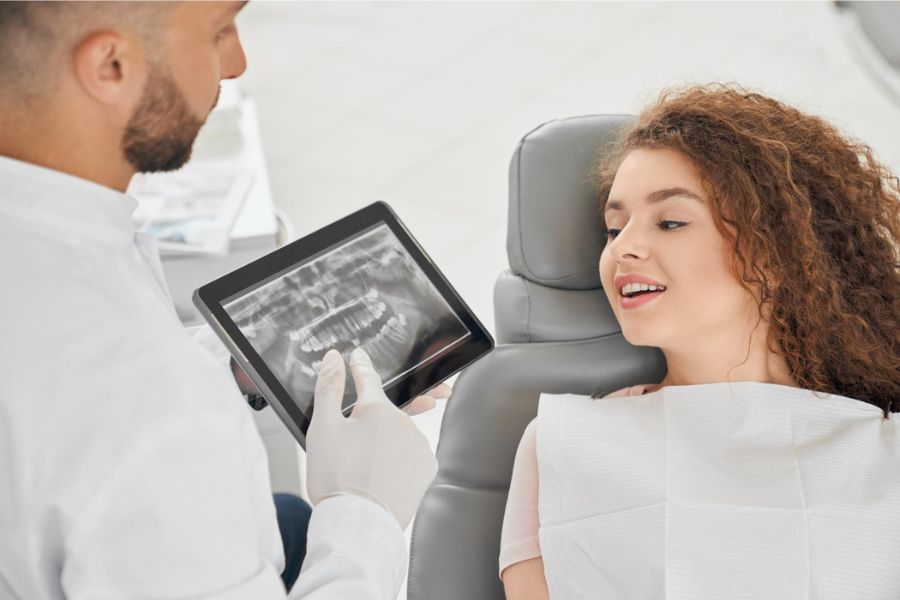
Dental X rays are recommended when visual examination alone is insufficient to diagnose or monitor oral health conditions. They are necessary for detecting hidden issues such as cavities between teeth, infections in the roots or bone, impacted teeth, and jawbone abnormalities. X-rays are also crucial before procedures like root canals, extractions, dental implants, and orthodontic treatments to ensure accurate planning.
Additionally, dentists use X-rays to monitor the progression of dental diseases and check the status of previous treatments. The frequency of X-rays depends on your individual oral health, age, risk factors, and any symptoms you may have, with your dentist tailoring the schedule to balance diagnostic needs and safety.
How Often Should You Get Dental X-Rays?
The frequency of dental X-rays varies depending on your age, oral health, risk factors, and history of dental issues. For healthy adults with no signs of problems, X-rays may be recommended every one to two years. Patients with ongoing dental concerns, a history of cavities, or gum disease might need X-rays more frequently to monitor changes. Children often require X-rays more often due to developing teeth and higher risk of decay.
Your dentist will assess your individual needs and medical history to create a personalized X-ray schedule that ensures effective diagnosis while minimizing radiation exposure.
If you’re looking for comprehensive preventive dentistry in Culver City, our team at Toothopia Dental offers expert care designed to keep your smile healthy and catch issues early. Schedule your checkup today!
FAQs
Do dental x-rays hurt?
No, dental X-rays are painless and quick.
Are digital x-rays better than traditional film?
Yes, digital X-rays use less radiation and provide faster, clearer images.
Can I refuse a dental x-ray?
Yes, but refusing may limit your dentist’s ability to diagnose problems accurately.
Need help getting started? Our California-based offices in Culver City and Inglewood are ready to assist. Reach out by filling out the consultation form or calling 310-643-6221.



0 Comments