

Does your jaw hurt? Do you find it difficult to chew? When you speak, do you notice your jaw clicking? These are all indications that you might have TMJ, also known as a temporomandibular condition. TMJ issues can affect people of all ages often. The jawbone and the skull are joined by the temporomandibular joint. It functions as a hinge that helps to move the jaw. As someone eats, speaks, or yawns, these joint acts in conjunction with the jaw muscles. Read further to know how a dental professional handles patients with TMJ.
What is TMJ?
Many people are unfamiliar with TMD, a condition connected to TMJ, but they should be. The Temporomandibular Joint, or TMJ for short, is more than just a mouthful. This joint is responsible to facilitate effortless movement and opening/closing of the jaw.
When you open and close your mouth, chew, and grind food, the jaw can move. Thanks to these joints. TMJ disorders or dysfunction refers to a group of issues that affect these joints (TMJD). It may hamper your ability to eat, speak, and carry out other routine tasks.
Understanding Different Causes of TMJ
TMJ problems don’t always have a clear explanation. However, there are a few common scenarios that cause them to occur:
- Trauma or a dislocation
- Clenching of teeth (often from stress)
- Teeth or jaw alignment issues
- A jaw or joint injury
- Normal joint deterioration leading to misalignment
- Health disorders like arthritis
- Jaw clenching as a result of stress
- Grinding of the teeth (also called bruxism)
- Structural jaw issues that exist from birth
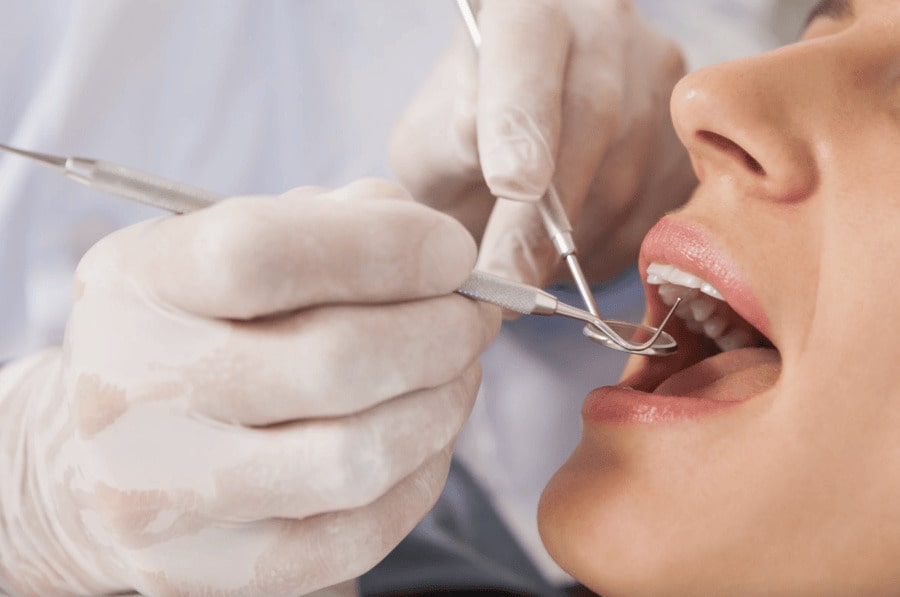
How Can a Dentist Help Patients with Temporomandibular Joint Disorder?
A dentist can typically assist with whether your TMJ pain is caused by a physical issue with the joint or connected to a dental problem. TMJ issues are diagnosed and treated through physical examination. If necessary, the dentist uses X-rays or other scans.
Wear a Custom Dental Appliance
The dentist in Culver City, CA, advises you to use a personalized dental appliance if your TMJ is caused by teeth grinding or clenching. This device (also known as a bite plate or splint) prevents your upper teeth from grinding against your lower teeth. This bite guard will lessen TMJ symptoms as well as stop tooth wear from grinding, which can cause additional issues.
Hot/Cold Therapy
Additional TMJ treatments include applying heat or ice to the affected area, using anti-inflammatory/muscle-relaxing drugs, or practicing relaxation techniques. It is effective at easing jaw strain. In some uncommon situations, jaw surgery may be necessary to treat TMJ.
Prescription Medications
Using medicines that a general dentist prescribes may help certain TMJ patients. They make patients completely relaxed by eliminating tension on or surrounding the jaw region.
Muscle relaxants, anti-anxiety meds, anti-inflammatory pharmaceuticals, and analgesics are a few examples of medications that general dentists may prescribe. Temporary prescription painkillers may be an option for those with severe TMJ pain.
Learning Relaxation Techniques
TMJ sufferers can use a variety of relaxation techniques to reduce or even get rid of discomfort. They target the stiff jaw muscle groups, which can significantly lessen tension and jaw pain.
Patient Advice
Suggestions for lifestyle adjustments may be part of your TMJ treatment near you. Trying new meals can make your pain go away. Also, lowering your stress may assist you in controlling TMJ symptoms.
Surgery is Rarely Needed
If TMJ is severe, a damaged jaw joint may need replacement with implant surgery. It can help with TMJ relief, but the patient needs to change the implant might after a while or if it becomes damaged. If you experience any aforementioned symptoms, discuss your TMJ disorder with your dentist 90232. We aim to provide pain and discomfort alleviation as soon as possible!
Struggling with jaw stiffness or headaches? Our TMJ dentist in Inglewood is here to help you feel better fast.
Doctor or Dentist for TMJ, Who Should You See First?
If you're experiencing symptoms of TMJ such as jaw pain, clicking sounds, or difficulty chewing, it's often best to start with a dentist especially one experienced in TMJ disorders. Dentists are well-equipped to diagnose and treat TMJ through dental appliances, bite adjustments, and non-invasive therapies. However, if your symptoms involve complex joint issues, chronic pain, or are linked to broader health conditions like arthritis, your dentist may refer you to a medical doctor or specialist, such as an oral surgeon or rheumatologist. Ideally, a collaborative approach between your dentist and doctor ensures the most effective TMJ care.
What Is The Best Effective Treatment For TMJ?
The best treatment for TMJ often depends on the specific cause and severity of your symptoms. A dentist can provide a personalized treatment plan that may include a combination of therapies. Common treatments include wearing a custom dental appliance to realign your jaw, applying hot or cold therapy to reduce pain and inflammation, taking prescription medications to manage pain, learning relaxation techniques to reduce stress, and in rare cases, undergoing surgery. However, it's important to note that most cases of TMJ can be effectively managed without surgery.
Have TMJ or Other Questions or Concerns?
There are many different causes and symptoms of TMJ issues. But thankfully, numerous therapy options are available today to treat them. By receiving a thorough evaluation and diagnosis from your dentist, doctor, or TMJ specialist, you can determine the best course of action for treating your TMJ issue. If you experience such pain often, consider visiting a dental expert at Toothopia Dental for a comprehensive examination today.
FAQs
What are the common symptoms of TMJ?
Common symptoms of TMJ include jaw pain, difficulty chewing, clicking or popping sounds in the jaw, headaches, and earaches.
Can stress cause TMJ?
Yes, stress can contribute to TMJ by causing you to clench or grind your teeth, which can put strain on your jaw joint.
How long does TMJ pain last?
The duration of TMJ pain can vary depending on the underlying cause and treatment. In many cases, symptoms can improve with conservative treatment within a few weeks or months.
Need help getting started? Our California-based offices in Culver City and Inglewood are ready to assist. Reach out by filling out the consultation form or calling 310-643-6221.



0 Comments