

Yellow or brown deposits along the gumline are often a sign of tartar buildup, a hardened form of plaque that cannot be removed by brushing alone. This article focuses on how to remove tartar from teeth, explaining what tartar is, how it forms, the symptoms and causes to watch for, how dentists diagnose it, the available removal methods, and the practical steps that help prevent it from returning.
What is Tartar on Teeth and How Is It Different from Plaque?
Tartar, also called dental calculus, forms when plaque hardens on the teeth. Plaque is a sticky film made of bacteria, food particles, and saliva. If it isn’t removed through brushing and flossing, minerals in saliva cause it to harden into tartar within 24–72 hours.
Unlike plaque, tartar cannot be removed with regular brushing alone. Once it forms, it creates a rough surface that allows more bacteria to attach, increasing the risk of cavities, gum inflammation, and periodontal disease. Tartar most often appears behind the lower front teeth and along the gumline where saliva ducts release minerals.
Understanding this connection between plaque and tartar is essential because preventing plaque buildup is the first step in stopping tartar from forming.
Why Removing Tartar is Important for Oral Health
Tartar does more than affect the appearance of your smile. It also traps bacteria against the teeth and gums, which can cause:
- Persistent bad breath
- Gum redness and swelling
- Bleeding during brushing
- Gum recession
- Tooth decay
- Loose teeth in advanced cases
Removing tartar early helps prevent long‑term dental complications and protects both the structure of your teeth and the health of your gums.
Causes of Tartar Buildup on Teeth
Several factors can increase how quickly tartar develops. These include lifestyle habits, oral hygiene routines, and even biological factors such as saliva composition. Understanding these causes helps identify which daily behaviors may be contributing to the buildup and what changes can reduce future tartar formation:
- Inadequate brushing or flossing
- High‑sugar or high‑carbohydrate diet
- high‑carbohydrate diet
- Dry mouth, or reduced saliva flow
- Smoking or tobacco use
- Crowded teeth that are harder to clean
- Skipping routine dental visits
Some people are naturally more prone to tartar due to saliva composition or genetics, which makes consistent oral hygiene even more important.
Symptoms of Tartar and Plaque Accumulation
You may notice signs that plaque has already hardened into tartar. Common symptoms include:
- Yellow, tan, or brown deposits on teeth
- Rough texture along the gumline
- Bleeding gums when brushing
- Chronic bad breath
- Gum tenderness or swelling
If you experience these symptoms, professional evaluation is recommended because tartar cannot be safely scraped off at home.
How Dentists Detect Tartar: Diagnosis and Tests
Dentists identify tartar through a visual examination and by using a dental probe to check along the gumline. They may also take X‑rays to determine whether tartar buildup has affected the bone or supporting structures of the teeth.
During routine checkups, professionals can detect tartar before it causes serious damage. This is why regular visits and preventative dentistry appointments play a key role in long‑term oral health.
Step‑by‑Step Guide: How to Remove Tartar from Teeth
This section explains the most effective ways to remove hardened plaque and dental calculus safely. Below, you’ll find a clear explanation of the professional treatments dentists use, what results you can realistically expect from at‑home care, and how to recognize when a dental visit is necessary to prevent gum damage or long‑term oral health problems.
Professional Teeth Cleaning Options
In most cases, tartar removal requires professional treatment. During Culver City dental cleanings, a hygienist uses specialized tools to scale hardened deposits from the tooth surface and below the gumline. This process may include:
- Manual scaling tools to break off tartar
- Ultrasonic scalers that vibrate deposits loose
- Polishing to smooth the enamel surface
- Fluoride treatment to strengthen teeth
For heavier buildup or gum disease, dentists may recommend deep cleaning (scaling and root planing), which removes bacteria beneath the gums and helps them reattach to the teeth.

Safe At‑Home Approaches to Reduce Plaque and Tartar
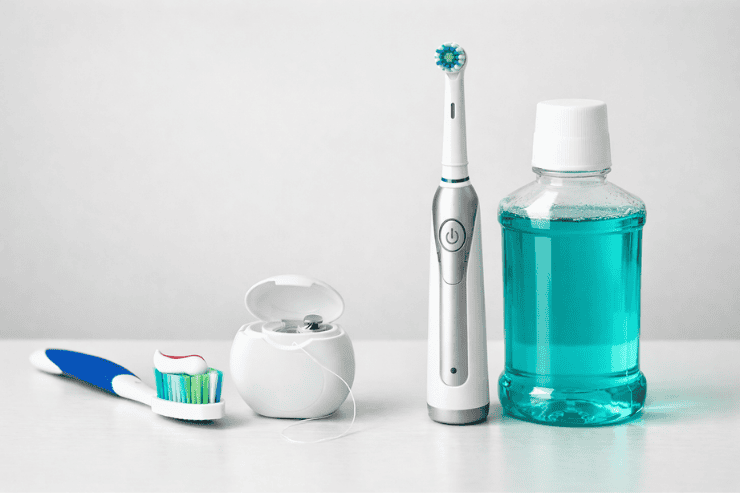
While tartar cannot be fully removed at home, you can slow its growth and reduce plaque by:
- Brushing twice daily with fluoride toothpaste
- Using an electric toothbrush for more effective plaque removal
- Flossing every day to clean between teeth
- Using antibacterial mouthwash
- Trying tartar‑control toothpaste with pyrophosphates
These habits help prevent new buildup after professional removal.
How to Prevent Plaque Buildup on Teeth
Because plaque turns into tartar quickly, prevention focuses on disrupting plaque before it hardens. Daily brushing and flossing are essential, but professional preventative dentistry services also help identify early warning signs and provide personalized hygiene recommendations.
Daily Oral Hygiene Practices
Maintaining consistent habits is the most effective way to stop plaque from turning into tartar. These include:
- Brushing for at least two minutes
- Replacing toothbrushes every 3–4 months
- Cleaning the tongue to reduce bacteria
- Using interdental brushes if teeth are crowded
Regular Dental Checkups and Cleanings
Routine checkups ensure tartar never accumulates to damaging levels. Dentists can remove small deposits before they harden further and provide targeted advice based on your risk level.
Diet and Lifestyle Habits
Your lifestyle choices influence how quickly tartar forms. Helpful steps include:
- Limiting sugary snacks and acidic drinks
- Drinking more water to rinse away bacteria
- Eating crunchy vegetables that stimulate saliva
- Avoiding tobacco products
When to See a Dentist and Cosmetic Solutions for Tartar
You should schedule a dental visit if you notice visible buildup, bleeding gums, or persistent bad breath. Early treatment is faster, more comfortable, and less expensive than waiting until gum disease develops. In addition, cosmetic treatments like Culver City dental bonding can help repair minor chips, discoloration, or surface damage caused by long-term tartar buildup, improving both oral health and the appearance of your teeth.
Need help getting started? Our California-based offices in Culver City and Inglewood are ready to assist. Reach out by filling out the consultation form or calling 310-643-6221.
Conclusion
Maintaining healthy teeth and gums requires more than just occasional brushing. Regular professional cleanings, consistent daily oral hygiene, monitoring for early signs of plaque and tartar, and adjusting your diet and habits all contribute to long-term oral health. Incorporating these practices helps prevent gum disease, tooth decay, and cosmetic issues, while ensuring your smile stays strong, healthy, and confident over the years.
FAQs
How can I remove hardened tartar from my teeth at home?
Hardened tartar cannot be removed at home; a dentist must perform professional cleaning to safely eliminate it. For minor plaque buildup, maintaining strict daily hygiene with brushing, flossing, and mouthwash can help slow its formation until your next dental visit.
Can a chunk of tartar fall off teeth?
Sometimes small pieces break off, but professional cleaning is still needed.
Does tartar always lead to gum disease?
Not always, but if left untreated, tartar increases the risk of gingivitis and periodontitis by harboring bacteria that inflame the gums. Early removal is key to preventing long-term gum issues.
How often should I get a dental cleaning to prevent tartar?
Every six months is typical, more often if prone to buildup.



0 Comments