

Dentures are a valuable investment in restoring your smile and oral functionality. To ensure they last long and stay in good condition, proper cleaning and maintenance are essential. In this guide, we’ll explore how to clean dentures effectively, prevent damage, and maintain oral health, especially for those looking for dentures in Culver City. For patients dealing with more advanced jawbone deterioration, options such as best dentures for bone loss may provide improved stability, comfort, and long-term support when traditional dentures are not enough.
Why Cleaning Dentures Is Important
Cleaning dentures regularly is crucial for several reasons:
- Prevent Stains: Dentures can become discolored over time, especially if you consume staining foods or beverages like coffee, tea, or wine.
- Avoid Odors: Residue from food particles can lead to unpleasant odors.
- Protect Oral Health: Dirty dentures can harbor bacteria that may cause gum infections or bad breath.
- Ensure Durability: Proper care prevents wear and tear, extending the life of your dentures.
Read More: Essential Tips for Maintaining Your Dentures
What You Need to Clean Your Dentures
Before diving into the cleaning process, gather these essential items:
- A soft-bristle toothbrush or a denture brush
- Non-abrasive denture cleaner or mild soap
- A soft towel or a basin filled with water (to prevent breakage if dropped)
- Denture soaking solution (optional but recommended)
Daily Cleaning Routine for Dentures
To keep your dentures in excellent condition, follow this daily cleaning routine:
- Rinse After Meals:
- Remove your dentures after meals and rinse them under lukewarm water. This step helps eliminate food debris and prevents stains.
- Brush Thoroughly:
- Use a soft-bristle toothbrush or a specialized denture brush.
- Apply a non-abrasive cleaner or mild soap never regular toothpaste, as it can be too harsh.
- Gently scrub all surfaces, paying attention to grooves where plaque and food particles accumulate.
- Rinse Again:
- After brushing, rinse your dentures thoroughly under lukewarm water to remove any residue.
- Clean Your Mouth:
- Use a soft toothbrush or gauze to clean your gums, tongue, and palate. This step promotes oral health and ensures a clean surface for your dentures.
How to Deep Clean Dentures
Deep cleaning is essential to remove stubborn stains and kill bacteria. Here’s how to do it:
- Soak Overnight:
- Place your dentures in a soaking solution specifically designed for dentures. Avoid using hot water, which can warp the material.
- Brush Again in the Morning:
- After soaking, brush your dentures to remove any loosened debris or buildup.
- Inspect for Stains:
- Check for lingering stains or tartar. If present, consult your dentist for professional cleaning.
Tips for Removing Stains from Dentures
Over time, dentures can develop stains from foods, drinks, or tobacco use. Here’s how to tackle them:
- Baking Soda:
- Mix a small amount of baking soda with water to form a paste. Gently scrub the dentures with this mixture.
- White Vinegar:
- Soak your dentures in a solution of equal parts white vinegar and water. This helps dissolve tartar and whiten the dentures.
- Hydrogen Peroxide:
- Dilute hydrogen peroxide with water and use it as a soak. However, check with your dentist before using this method to avoid damaging your dentures.
How to Remove Stains from Dentures
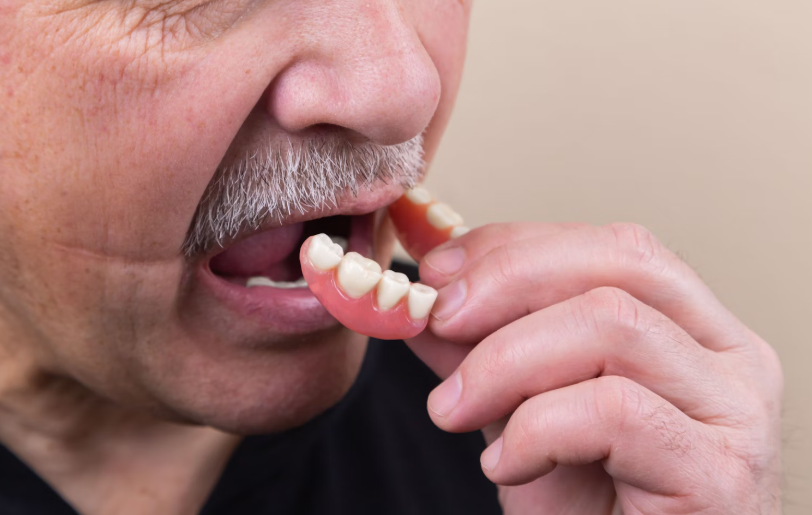
Stains on dentures are common, especially if you enjoy coffee, tea, red wine, or use tobacco. To gently lift these stains, it helps to regularly soak your dentures in a cleaning solution and follow up with brushing using a soft-bristle brush. If stubborn stains persist, a simple home remedy like white vinegar or baking soda paste can help. Just remember, if discoloration continues despite regular cleaning, it may be time to consult your dentist for a professional polish.
Cleaning Dentures with Hydrogen Peroxide
Hydrogen peroxide can be an effective option for deep cleaning dentures, but it should always be used with caution. Mix equal parts of 3% hydrogen peroxide and water, and soak your dentures for about 15–30 minutes. This can help remove light stains and bacteria buildup. However, not all denture materials react the same way, so it’s a good idea to check with your dentist before using peroxide regularly to avoid weakening the denture surface.
How to Clean Dentures with Baking Soda
Baking soda is a gentle yet effective cleanser for dentures, especially when you're looking to remove mild stains or neutralize odors. Just mix a teaspoon of baking soda with a bit of water to make a soft paste, then use a soft brush to scrub your dentures. It’s non-abrasive and safe for most denture types when used properly. This method is ideal for those who prefer a natural cleaning alternative between professional cleanings or soaks.
How to Remove Plaque from Dentures
Plaque can form on dentures just like it does on natural teeth, especially if they're not cleaned daily. To remove it, start by brushing your dentures thoroughly with a denture brush and non-abrasive cleanser. Soaking your dentures overnight in a cleansing solution also helps loosen and eliminate plaque buildup. For areas that are hard to clean or if plaque turns into tartar, a visit to your dentist for a professional cleaning may be necessary.
What to Avoid When Cleaning Dentures
Certain practices can damage your dentures. Avoid these mistakes:
- Skipping Daily Cleaning: Leads to plaque buildup and bacterial growth.
- Using Abrasive Cleaners: Regular toothpaste and harsh cleaning agents can scratch the surface.
- Hot Water: Causes dentures to warp.
- Bleach Products: May weaken the material and cause discoloration.
Read More: Types of Dentures
Additional Care Tips for Dentures
- Handle with Care:
- Dentures are delicate and can break if dropped. Always hold them over a soft towel or a basin of water.
- Store Properly:
- When not in use, store your dentures in a clean container with water or a denture-soaking solution to prevent drying out.
- Visit Your Dentist Regularly:
- Regular check-ups ensure your dentures fit well and remain in good condition. Your dentist can also perform professional cleanings.
When to Replace Your Dentures
Despite regular cleaning and care, dentures don’t last forever. Signs that you may need a replacement include:
- Visible cracks or damage
- Persistent discomfort or sore spots
- Difficulty chewing or speaking
- A loose fit
Consult your dentist if you experience these issues.
Conclusion
Proper cleaning and care are essential for maintaining the longevity and functionality of your dentures. By adopting a daily cleaning routine, using appropriate tools, and scheduling regular dental check-ups, you can keep your dentures in excellent condition and safeguard your oral health.
At Toothopia Dental, we specialize in Partial Dental Dentures and Full Dentures designed to restore your smile and improve functionality. Our custom-made dentures provide a natural appearance and enhanced comfort, ensuring a perfect fit tailored to your unique needs. Whether you’re missing teeth due to age, injury, or other factors, our dedicated team is here to guide you every step of the way from consultation to final fitting.
Let us help you achieve a confident, beautiful smile with expert care and personalized attention.
Schedule your appointment today and experience the Toothopia Dental difference!
Need help getting started? Our California-based offices in Culver City and Inglewood are ready to assist. Reach out by filling out the consultation form or calling 310-643-6221.


0 Comments