

When considering orthodontic treatment, one of the most common questions patients ask is: Does Invisalign hurt? The short answer is that Invisalign treatment may cause mild to moderate discomfort, especially during the first few days after inserting a new aligner. This sensation is typically due to the gentle pressure applied to move teeth into their proper position. Unlike traditional braces, which can cause persistent soreness from brackets and wires, Invisalign offers a smoother and more flexible alternative. At Invisalign in Culver City, our patients frequently report that the discomfort is manageable and usually subsides within a few days.
How Invisalign Feels: What to Expect
When you first start wearing Invisalign aligners, it’s normal to feel firm pressure on your teeth. This sensation is the result of the aligner gently guiding your teeth toward their ideal alignment. Some patients describe it as a tight, snug feeling, while others experience mild tenderness. It’s important to remember that this discomfort is a sign that the treatment is working.
Most people notice the most pressure during the first 24–48 hours of wearing a new set of aligners. Swelling or mild soreness in your gums can also occur, but it is temporary. Drinking cold water or using over-the-counter pain relief can help alleviate discomfort in these initial days.
Comparing Invisalign to Traditional Braces
Unlike traditional braces, which rely on brackets and wires, Invisalign provides a nearly invisible alternative that can be removed for eating and cleaning. While braces often cause consistent irritation and can scrape the inside of your mouth, Invisalign typically results in less frequent discomfort.
If you’re wondering whether the pain from Invisalign is worse than conventional braces, it is generally considered more tolerable. For patients seeking professional guidance and personalized care, an experienced Inglewood orthodontist can assess your situation and recommend the best treatment option for your smile goals.
When Does Invisalign Discomfort Intensify
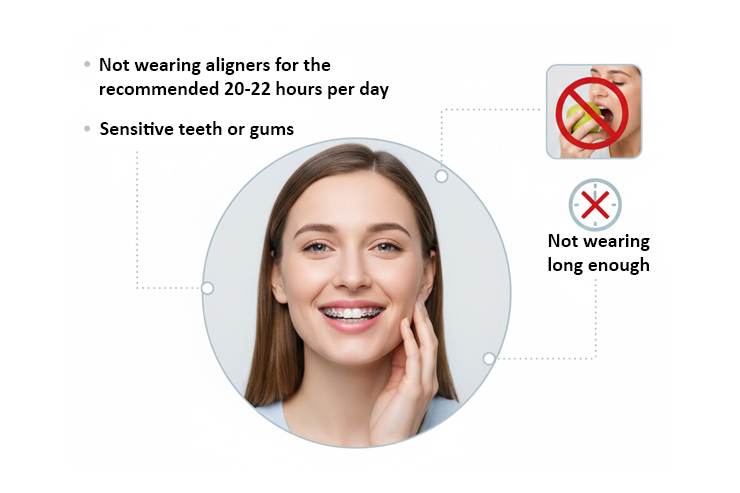
Discomfort usually becomes more noticeable when switching to a new aligner. This is because each new tray applies slightly different pressure to continue the teeth straightening process. Other factors that can temporarily increase discomfort include:
- Eating hard or crunchy foods immediately after changing aligners
- Not wearing aligners for the recommended 20–22 hours per day
- Sensitive teeth or gums
Understanding these patterns helps patients anticipate periods of mild soreness and manage them effectively without alarm.
Types of Discomfort That Are Normal
Not all discomfort indicates a problem. Typical Invisalign-related sensations include:
- Mild pressure or tightness on certain teeth
- Slight gum tenderness
- Temporary changes in bite or tooth contact
These are expected as your teeth gradually shift. However, sharp pain, bleeding, or persistent swelling should be evaluated by your dental professional.
Maintaining proper oral hygiene and regular check-ups ensures that these normal discomforts don’t escalate into more serious issues.
Managing Invisalign Discomfort at Home
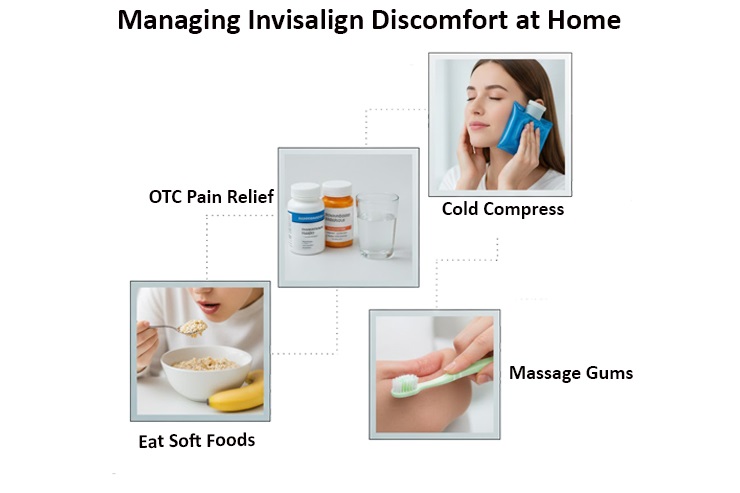
There are several ways to ease discomfort while using Invisalign:
- Use over-the-counter pain relievers like acetaminophen or ibuprofen for mild soreness.
- Apply a cold compress externally to relieve gum or jaw pressure.
- Eat soft foods for a day or two after switching aligners.
- Gently massage gums with a soft-bristle toothbrush to reduce tenderness.
For patients with higher sensitivity or anxiety about discomfort, sedation dentistry can provide additional support during initial consultations or complex adjustments, making the treatment experience more comfortable.
When to Worry About Invisalign Pain
While most discomfort is normal, certain signs indicate the need for professional evaluation:
- Severe, persistent pain that does not subside after a few days
- Signs of infection, such as swelling, redness, or pus
- Gum bleeding unrelated to brushing
- Broken or ill-fitting aligners
If you experience any of these symptoms, contact your orthodontist immediately to prevent complications and ensure your treatment progresses safely.
Maintaining Oral Health During Invisalign Treatment
Keeping your teeth and gums healthy during Invisalign treatment is essential. Remove aligners before eating and brush thoroughly afterward to avoid plaque buildup. Regular dental cleaning appointments help prevent cavities and gum inflammation, which can otherwise worsen discomfort. Preventive measures, such as proper brushing, flossing, and fluoride use, are key to ensuring a smooth treatment journey.
Tips for a Comfortable Invisalign Experience
To maximize comfort and minimize pain:
- Wear aligners consistently for the recommended hours
- Follow instructions for switching trays gradually
- Maintain regular dental check-ups
- Use orthodontic wax if the edges of the aligners cause irritation
- Keep a pain relief plan for the first few days of new trays
By following these tips, patients often find that Invisalign is not only effective but also remarkably comfortable compared to traditional orthodontic methods.
Conclusion
Mild to moderate discomfort during Invisalign treatment is completely normal and usually means that your teeth are shifting as intended. With proper at-home care, simple pain management strategies, and guidance from your dental professional, any soreness is typically temporary and manageable. Most patients find that, after the first few days of each new aligner, the sensation eases and the treatment process becomes more comfortable.
Need help getting started? Our California-based offices in Culver City and Inglewood are ready to assist. Reach out by filling out the consultation form or calling 310-643-6221.
FAQs
How painful is Invisalign on a scale of 1 10?
Most patients rate Invisalign discomfort between 2 and 6, reflecting mild to moderate pressure that typically eases within a few days after inserting a new aligner.
What is the hardest week of Invisalign?
The first week of wearing a new aligner is usually the hardest, as your teeth adjust to the pressure. Discomfort generally decreases after a few days.
Which tray hurts the most in Invisalign?
The first few days after starting a new aligner tray are usually the most uncomfortable, as your teeth adjust to the pressure. Discomfort typically eases within a few days.
What hurts more, braces or Invisalign?
Invisalign generally causes less discomfort than traditional braces. While both apply pressure to move teeth, braces often create more persistent soreness due to brackets and wires, whereas Invisalign’s removable aligners typically result in milder, temporary pressure.



0 Comments