

Choosing between aligners and braces is one of the most important decisions you can make when starting orthodontic treatment. The right option affects not only how straight your teeth become, but also how comfortable your daily life is during treatment, how confident you feel socially, and how easy it is to maintain good oral health. In this guide, you’ll get a clear, honest comparison that answers real patient questions and helps you decide which solution truly fits your needs.
Why Choosing Between Aligners and Braces Matters
Orthodontic treatment goes far beyond aesthetics. Proper alignment improves bite function, reduces uneven tooth wear, and makes daily oral hygiene more effective. From a broader perspective, orthodontic care is often the foundation of long-term cosmetic dentistry, because straight teeth create balance, symmetry, and a healthier-looking smile that other cosmetic treatments can build on.
What Are Dental Aligners?
Dental aligners are clear, removable trays designed to straighten teeth by applying gentle, controlled pressure over time. Treatment begins with digital scans of your teeth, which allow the orthodontist to plan each stage of movement before you even start wearing aligners. Each set is worn for about one to two weeks, gradually guiding teeth into their ideal positions.
Well-known systems, such as Invisalign in Culver City, are popular because they offer predictable results without disrupting daily life. Since aligners are removable, patients can eat normally, brush and floss with ease, and maintain better overall oral hygiene compared to traditional braces. This makes clear aligners a convenient and discreet option for adults and teens seeking effective orthodontic treatment.
Best Candidates for Aligners
Adults and teens with mild to moderate alignment issues are ideal for aligners. They appreciate flexibility, discreet wear, and can reliably follow daily use guidelines.
What Are Traditional Braces?
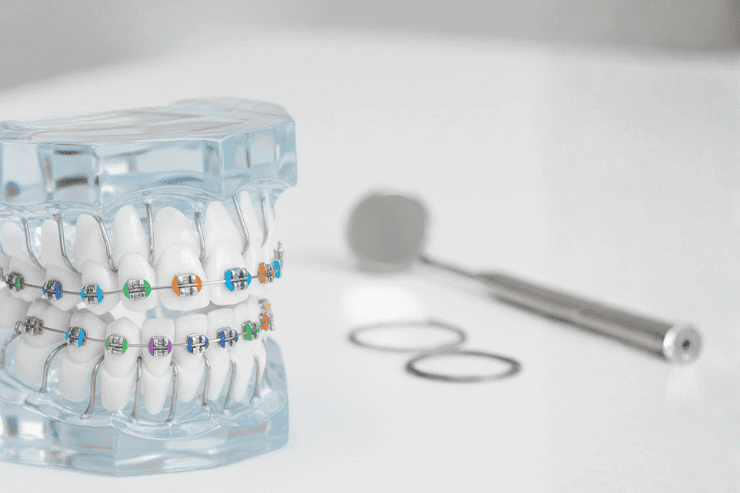
Traditional braces work by attaching small brackets to the teeth and connecting them with a wire that applies continuous pressure. Over time, this pressure guides teeth into better alignment and corrects bite issues. Regular adjustment visits allow the orthodontist to fine‑tune the force and direction of movement.
Treatment guided by an experienced orthodontist is critical with braces, as this approach offers precise control over tooth movement. For patients with complex alignment problems, significant crowding, or bite concerns, braces remain one of the most reliable and predictable orthodontic options.
Best Candidates for Braces
Patients with severe crowding, rotated teeth, or complex bite problems benefit most from braces, which offer precise control and steady correction over time.
Aligners vs Braces: Key Differences That Matter Most
When comparing aligners and braces, here is a quick look at the main differences in comfort, appearance, daily routines, and effectiveness.
Appearance and Social Visibility
Aligners are almost invisible and very discreet, making them perfect for adults or professionals who want subtle treatment. Braces are more noticeable, although ceramic or tooth-colored brackets help reduce their visual impact.
Removability and Daily Flexibility
Aligners offer flexibility because they can be removed for eating, brushing, and flossing. This makes maintaining oral hygiene easier and allows patients to eat without restrictions. Braces are fixed appliances, which means dietary adjustments and more detailed cleaning routines are required.
Lifestyle and Comfort
Living with aligners or braces affects daily routines and comfort. Aligners offer flexibility with no eating restrictions and easy maintenance, especially alongside regular Culver City dental cleanings. Braces require more careful oral hygiene and the avoidance of certain foods. Aligners cause mild initial pressure, while braces can be slightly more uncomfortable after adjustments.
Effectiveness
Aligners are highly effective for mild to moderate spacing, crowding, and alignment issues when worn consistently. Braces provide greater control and are often the preferred option for complex cases involving rotated teeth, severe crowding, or significant bite problems.
Treatment Duration and Predictability
Treatment length varies based on case complexity and patient compliance. Aligners commonly take between 6 and 18 months. Braces typically require 18 to 24 months, but they may offer more predictable results in complex orthodontic cases.
Note: Treatment duration can vary depending on factors such as case severity, patient compliance, age, and regular follow-up visits.
Cost of Aligners and Braces
Prices for orthodontic treatment vary depending on several factors, including the type of appliance and treatment complexity. In general, Invisalign and clear aligners tend to be more expensive due to customization and digital planning, but they offer convenience and discreet wear. Traditional braces may be more affordable, particularly for complex cases, but require regular adjustments and careful maintenance.
| Feature | Aligners | Braces |
|---|---|---|
| Appearance & Social Visibility | Almost invisible, very discreet; ideal for adults and professionals. | More noticeable, though ceramic/tooth-colored options reduce visibility. |
| Removability & Daily Flexibility | Removable for eating, brushing, and flossing; easier oral hygiene and no dietary restrictions. | Fixed appliance; requires dietary adjustments and more detailed cleaning routines. |
| Lifestyle & Comfort | Flexible, mild initial pressure, easy maintenance alongside dental cleanings. | Requires careful oral hygiene, avoiding certain foods; can be uncomfortable after adjustments. |
| Effectiveness for Mild vs Complex Alignment | Highly effective for mild to moderate spacing, crowding, and alignment issues. | Greater control; preferred for complex cases with rotated teeth, severe crowding, or bite problems. |
| Follow-Up Visits & Treatment Management | Fewer in-office visits; tooth movement planned digitally, progress reviewed periodically. | Regular visits needed for wire adjustments and monitoring. |
| Treatment Duration & Predictability | Typically 6–18 months; depends on case complexity and compliance. | Typically 18–24 months; may offer more predictable results for complex cases. |
| Cost | Generally higher due to customization and digital planning; offers convenience and discreet wear. | Often more affordable for complex cases; requires regular adjustments and careful maintenance. |
Materials and Technology Used in Aligners and Braces
Modern orthodontic treatments use advanced materials and technology to improve results and comfort:
- Materials used in clear aligners: Made from medical-grade, BPA-free plastic, clear aligners are safe, durable, and gentle on teeth while providing precise tooth movement.
- Materials used in metal and ceramic braces: Traditional braces use stainless steel or tooth-colored ceramic brackets attached to archwires. These materials allow controlled, predictable movement, especially for complex cases.
- Role of modern orthodontic technology: Digital scans and 3D treatment planning help orthodontists map out tooth movement accurately, ensuring predictable results, shorter treatment time, and fewer adjustments.
Pros and Cons of Aligners and Braces
Choosing between aligners and braces depends on your lifestyle, treatment needs, and comfort preferences. Here’s a quick comparison of their advantages and challenges.
Advantages and Challenges of Clear Aligners
Understanding the pros and cons of clear aligners can help you see if they fit your lifestyle and treatment goals.
Advantages:
- Nearly invisible and discreet
- Removable for eating and cleaning
- Less discomfort after adjustments
Challenges:
- Requires strict compliance and daily wear
- May not be suitable for complex cases
- Lost or damaged trays can delay treatment
Advantages and Challenges of Traditional Braces
Knowing the benefits and challenges of traditional braces can help you decide if they are the best option for correcting complex alignment issues.
Advantages:
- Highly effective for complex alignment and bite issues
- Precise control over tooth movement
- No risk of forgetting to wear them
Challenges:
- More noticeable than aligners
- Dietary restrictions (avoid sticky or hard foods)
- Requires careful oral hygiene to prevent plaque buildup

Expertise and Smile Enhancement
The success of aligners or braces heavily depends on professional guidance. Accurate diagnosis, careful planning, and regular check-ins with a teeth orthodontist ensure optimal results throughout the process. After treatment, professional teeth whitening or other Cosmetic Dentistry procedures can enhance your smile, maintaining a polished and confident appearance.
Conclusion
There is no universal answer when choosing between aligners and braces. The right choice depends on your dental needs, lifestyle, and long-term goals. A personalized consultation helps you understand your options clearly and choose the orthodontic path that delivers healthy, confident, and lasting results. Schedule your consultation with a trusted orthodontist today to see if aligners or braces are right for you.
Need help getting started? Our California-based offices in Culver City and Inglewood are ready to assist. Reach out by filling out the consultation form or calling 310-643-6221.
FAQs
Are aligners more painful than braces?
Aligners usually cause mild pressure at the start, while braces may create more soreness after adjustments. Both are generally manageable.
Are aligners easier to manage daily?
Aligners are removable for eating and cleaning, but require consistent daily wear (20–22 hours).
Can adults use braces instead of aligners?
Absolutely. Adults can use braces, especially for complex cases where precision is important.
Why does Invisalign often take less time than traditional braces?
Invisalign trays apply gentle, consistent pressure across all teeth at once, rather than pushing harder on specific teeth. This more even force helps teeth shift efficiently, often shortening overall treatment time.



0 Comments